Niger State Governor, Mohammed Umaru Bago, has urged Fulani communities across the state to cooperate with government and security agencies by providing credible information that could lead to the arrest of criminal elements operating within their communities.

The governor made the call at the second annual Pastoralists Day Celebration organised by the Niger State Ministry of Nomadic and Pastoralists Affairs in collaboration with APC Fulde for Tinubu and Bago 2027.
Represented by his Deputy, Comrade Yakubu Garba, Bago described the celebration as a welcome development, noting that it provided an opportunity to engage pastoral communities, create awareness and promote peaceful coexistence.
He urged Fulani communities to respect other ethnic groups and obey the laws of the state, while cautioning Nigerians against ethnic profiling.
According to him, crime has no religion or ethnic group, stressing the need for collective efforts to tackle insecurity.
Bago also condemned mob action and jungle justice, emphasising that only a court of competent jurisdiction has the authority to sentence an individual to death after due process and presentation of convincing evidence.
He commended the Ministry of Nomadic and Pastoralists Affairs for organising the annual event and called on relevant authorities to address the root causes of insecurity across the country.
Speaking at the event, the National President of the Miyetti Allah Cattle Breeders Association of Nigeria (MACBAN), Alhaji Baba Othman Ngelzarma, said community cooperation was critical to ending banditry.
Ngelzarma said security agencies would find it difficult to apprehend criminals when members of communities who knew their hideouts refused to provide useful information.
He appealed to Fulani people who had taken up arms to embrace peace and engage government in resolving their grievances and perceived injustices rather than resorting to violence.
The Commissioner for Nomadic and Pastoralists Affairs, Umar Rebe, commended the Bago administration for establishing the ministry to address challenges confronting pastoralists and herders in the state.
Rebe said the ministry had created a platform for government to engage pastoral communities and develop solutions to issues affecting their livelihoods and peaceful coexistence with other communities.
Also speaking, the National President of Moggal Fulako and Special Adviser to Governor Bago on Fulani Affairs, Alhaji Sani Juli, described the celebration as timely.
Juli commended Bago for what he described as his support and inclusion of Fulani people in governance, urging other governors to emulate Niger State in promoting inclusiveness.
In a message to the occasion, the National Commission for Nomadic Education identified inadequate access to formal and non-formal education as one of the factors making some Fulani youths vulnerable to criminal activities.
The commission therefore called on Fulani parents to enrol their children in school and guide them against criminality and other social vices.
In a paper titled, “Armed Banditry and the Changing Social and Traditional Values of the Fulani Communities of Niger State: A Critical Evaluation of Ibn Khaldun’s Philosophy of the Nomadic People,” a lecturer at Ibrahim Badamasi Babangida University, Lapai, Professor Emmanuel Umar Musa, identified ungoverned forests as one of the factors contributing to persistent insecurity in the state.
Musa urged security agencies, community leaders and other stakeholders to complement government efforts towards ending insecurity.
Other speakers called for the reopening of identified grazing reserves as part of measures to reduce farmer-herder clashes. They also advocated the cultivation of animal feed and weeds to reduce the need for open grazing.
The Wakilin Fulani of Minna Emirate, Hassan Shiroro, expressed appreciation to Governor Bago for recognising and supporting the Fulani community in the state.
Shiroro said Fulani people in Niger State were ready to support President Bola Ahmed Tinubu and Governor Bago in the 2027 elections.
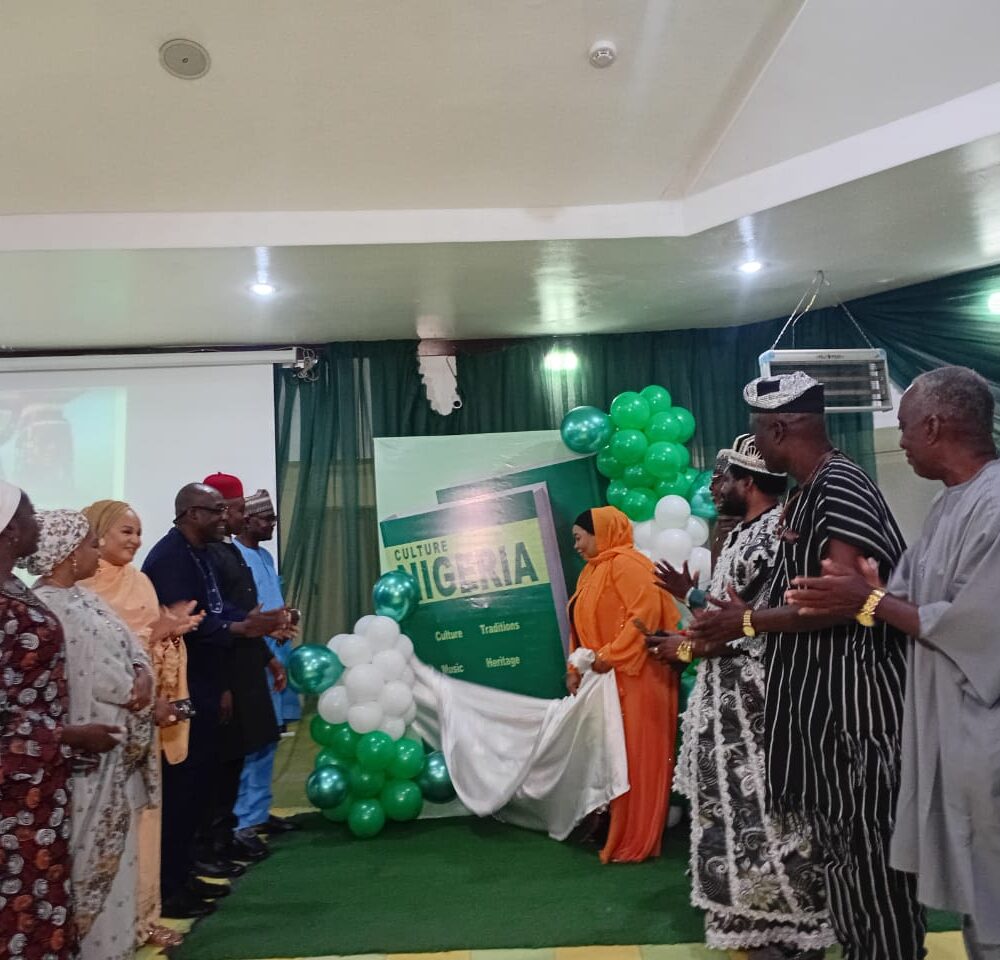
The annual celebration featured cultural performances by various Fulani groups, showcasing their traditions and promoting peaceful coexistence among communities.