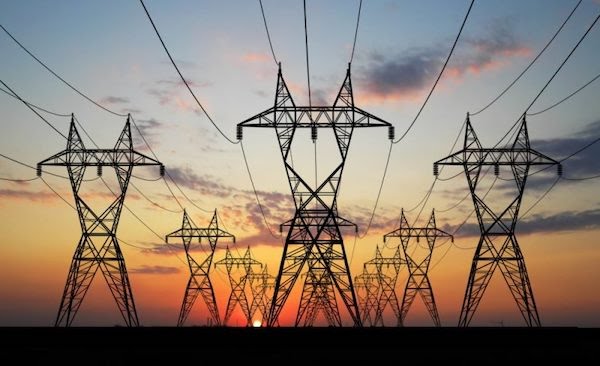


The West African Power Pool (WAPP) North Core 330kV Interconnection Project, linking Benin, Burkina Faso, Niger, Nigeria and Togo, has achieved over 75 per cent completion, as participating countries and international development partners intensify efforts to address outstanding challenges and ensure timely delivery of the regional electricity infrastructure.
The milestone was highlighted at the opening of the 8th Joint Supervision Mission of the project’s financing partners, held in Abuja from October 26 to November 6, 2026. The meeting brought together representatives of participating countries, national electricity utilities and development partners to assess progress, review implementation challenges and identify measures to accelerate the remaining construction works.
Speaking on behalf of the Chairman of the WAPP Executive Board and Managing Director/Chief Executive Officer of the Transmission Company of Nigeria (TCN), Engr. Sule Ahmed Abdulaziz, the General Manager, Programme Coordination, TCN, Engr. Aminu Tahir, called for sustained cooperation, timely decision-making and stronger commitment from all stakeholders as the project approaches its final implementation phase.
Tahir said the progress recorded so far reflected years of dedicated efforts by engineers, technicians, project personnel, participating governments and development partners. He stressed that the immediate priority was to complete outstanding construction works and translate the huge investment into reliable electricity infrastructure capable of strengthening regional power exchanges.
Also speaking, the Secretary General of WAPP, Mr Abdoulaye Dia, represented by the Director of Planning, Investment Programming and Environmental Safeguards, Mr Kodjo Afidegnon, described the project as a strategic initiative for deepening regional electricity integration.
Dia recalled that the project, launched in 2019, was designed to strengthen electricity supply security, facilitate cross-border power exchanges and support the development of an integrated regional electricity market.
He, however, identified insecurity along sections of the project corridor, flooding, the COVID-19 pandemic, supply chain disruptions, political challenges and border closures as factors that had slowed implementation, increased costs and forced the suspension of construction activities in some locations to safeguard project personnel.
Despite these setbacks, the project has recorded significant progress across the participating countries through sustained collaboration among governments, national electricity utilities and financing partners.
In Benin, the Malanville substation has received provisional acceptance, while work on the Niger River crossing is ongoing. In Burkina Faso, the Ouaga Est and Ouaga Sud-Est substations, alongside 33 kilometres of 225kV transmission lines connecting them to the network, have been commissioned.
In Niger, equipment installed at Niamey II and Gazaoua has been operational since July, helping to stabilise the two existing 132kV interconnection lines supplying electricity to the country from Nigeria.
In Nigeria, construction work is continuing on the 330kV transmission line, alongside preparations for its connection to the national grid in collaboration with relevant stakeholders.
Beyond the physical infrastructure, the project has also recorded progress in its environmental and social commitments, including compensation for 5,726 project-affected persons, resolution of almost all reported grievances, electrification of 170 communities in Burkina Faso and Niger, and the creation of 2,483 jobs along the project corridor.
A representative of the African Development Bank (AfDB) emphasised the need for a results-driven supervision mission capable of identifying practical solutions to implementation bottlenecks, addressing security concerns and contractor performance challenges, and protecting the overall project completion schedule.
The representative warned that efforts to accelerate construction must not undermine environmental and social safeguards, health and safety standards, or the protection of workers and host communities.
The AfDB also stressed that delays in any of the participating countries could compromise the anticipated benefits of the regional interconnection, noting that the completion of critical infrastructure in Niger remains essential to unlocking the project’s full potential.
The bank reaffirmed its commitment to supporting the participating countries, national electricity utilities and WAPP in overcoming outstanding challenges and ensuring successful completion.
Upon completion, the WAPP North Core Project is expected to strengthen electricity interconnection across West Africa, facilitate cross-border power trade, enhance regional cooperation and contribute to a more integrated, reliable and efficient West African electricity market.
The meeting was attended by representatives of the African Development Bank, the World Bank, the WAPP North Core Project Management Unit, Ministries of Energy and Finance in the participating countries, and national electricity utilities from Benin, Burkina Faso, Niger, Nigeria and Togo.