
The Nigerian Ports Authority (NPA) has reaffirmed its commitment to revitalizing Nigeria’s maritime sector through the $1 billion reconstruction of the Tin Can Island Port Complex, alongside comprehensive rehabilitation of the Apapa, Rivers, Onne, Warri, and Calabar ports.
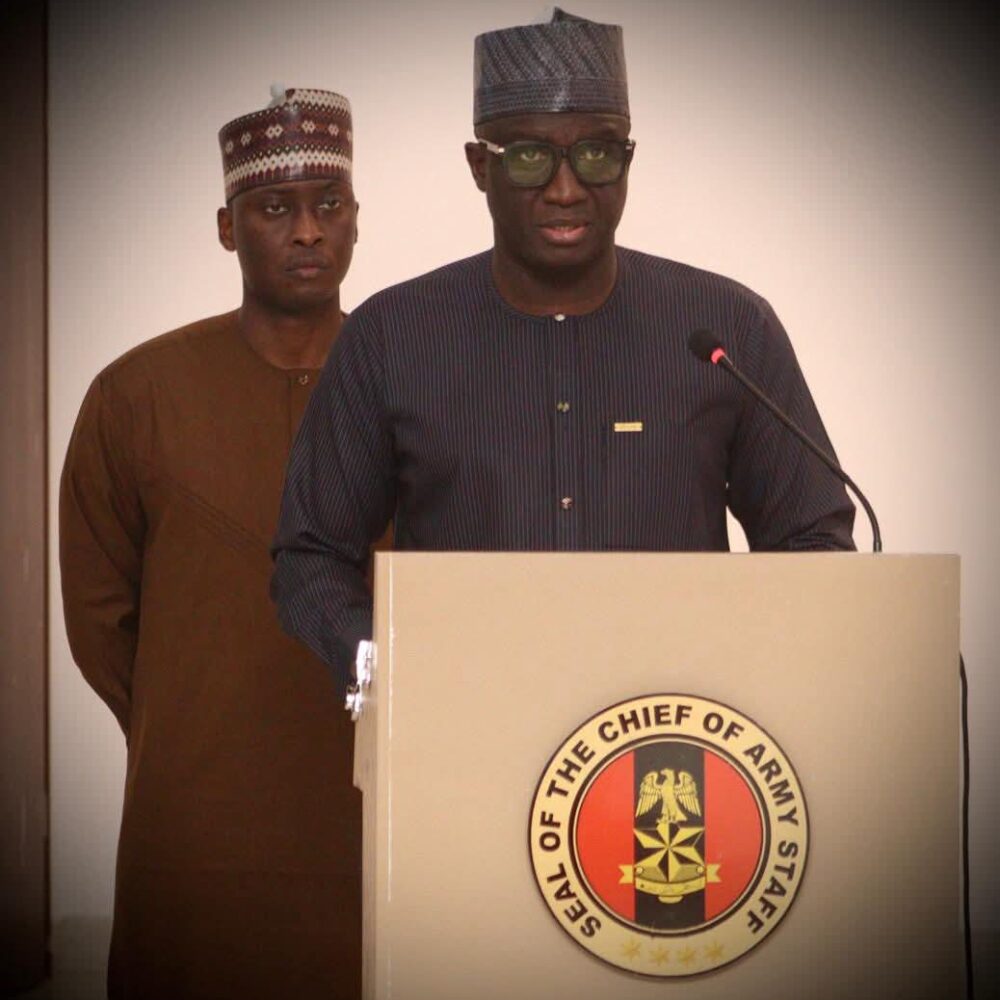
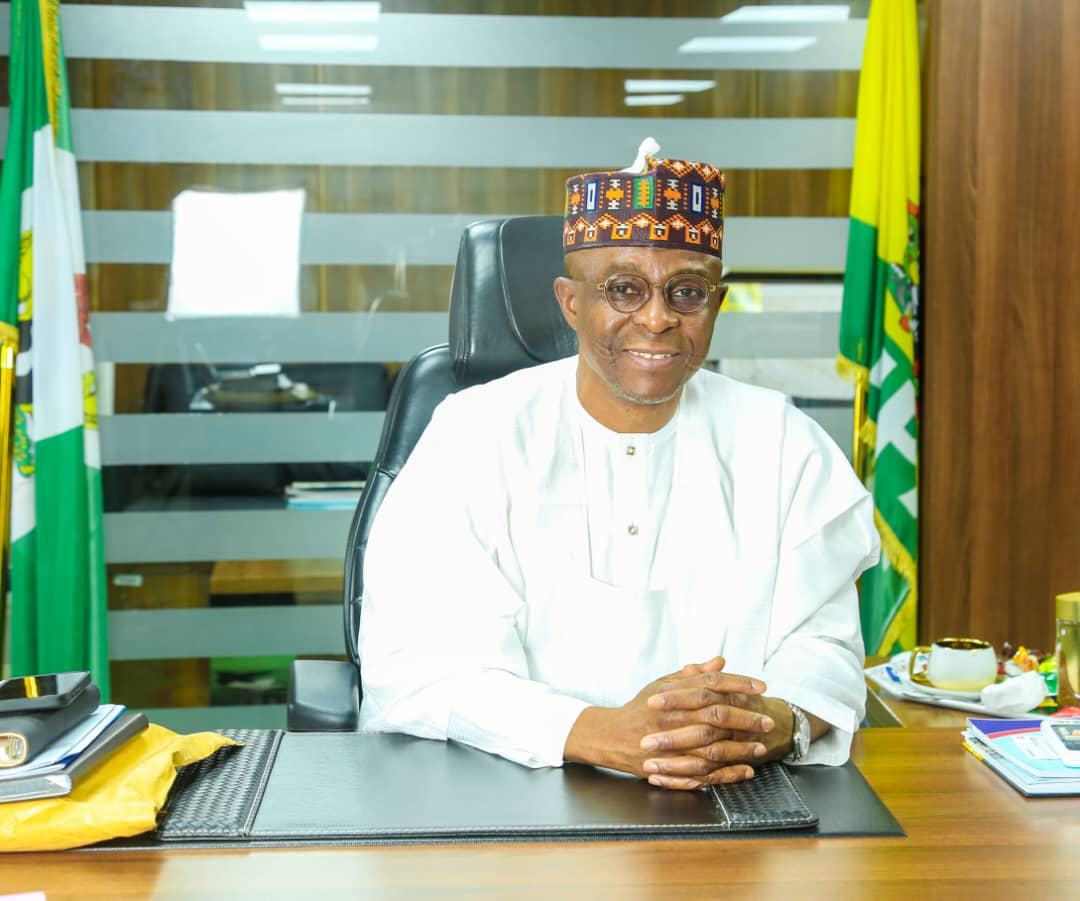
The NPA, under the leadership of its Managing Director and CEO, Dr. Abubakar Dantsoho, said the massive investment is aimed at restoring the infrastructural integrity of the ports and aligning them with modern global maritime standards. The projects are also expected to expand port capacity and support the operationalization of new ports while promoting green port development all of which are driving growth in Nigeria’s blue economy and national development.
Last month, Dr. Dantsoho led the NPA management to finalize an agreement for the $1 billion development of Snake Island Port, which will sit on an 85-hectare site within the Snake Island Integrated Free Zone.
The management disclosed that this project complements ongoing developments at the Badagry Deep Seaport, Ondo Deep Seaport, and Burutu Port, all at various stages of progress. Other initiatives being driven under the NPA include the implementation of the Port Community System (PCS), the National Single Window project, and other measures to boost port competitiveness.
“Apart from the commencement of actual works on the $1 billion ports reconstruction, the Managing Director of the NPA, with the unwavering support of the performance-driven Minister of Marine and Blue Economy, Adegboyega Oyetola, has repositioned the Authority for better outcomes,” the NPA said.
One of the standout achievements in 2024, the Authority noted, is the 45.1% surge in cargo throughput — from 71.2 million metric tons in 2023 to 103.3 million metric tons in 2024. Lekki Port recorded the highest growth at 2,160.8%, followed by Onne Port (9.4%) and Tin Can Island Port (7.3%). Liquid bulk cargo accounted for 55.6% of the total cargo, while containerized cargo made up 20.9%.
Ship traffic also grew significantly, with the number of ship calls rising from 3,791 in 2023 to 4,005 in 2024 — a 5.6% increase. Gross Registered Tonnage (GRT) expanded by 15.4%, from 123.7 million to 142.7 million tons. Again, Lekki Port led in ship calls with a 477.6% rise, followed by a 5.8% increase at Onne Port.
Container traffic improved by 9.7%, with 1.74 million Twenty-foot Equivalent Units (TEUs) handled in 2024, compared to 1.59 million in 2023. Laden container throughput rose by 12.2%, with export-laden containers showing a 53.7% spike. Transshipment container volume grew by a remarkable 136.5%, signaling Nigeria’s emerging role as a regional cargo redistribution hub.
Service boat operations also surged by 49.6%, with boats handled increasing from 8,956 in 2023 to 13,396 in 2024. The GRT for service boats nearly doubled, rising by 129.3% from 1.99 million tons to 4.58 million tons an indicator of growing offshore operations and improved infrastructure.
Operational efficiency also improved. Vessel turnaround time dropped slightly from 4.7 to 4.6 days, with Lekki Port achieving the best turnaround average of 2.5 days. Berth Occupancy Rate increased from 30.1% in 2023 to 33% in 2024, reflecting better utilization and performance across terminals.
Dr. Dantsoho’s reform-focused leadership, according to the NPA, has contributed to Nigeria’s trade surplus of N5.81 trillion ($3.7 billion) in the third quarter of 2024, as reported by the Nigerian Economic Summit Group (NESG). The surplus was largely driven by exports routed through NPA-managed platforms.
Furthermore, the successful implementation of President Bola Ahmed Tinubu’s policy mandating the sale of crude and petroleum products in Naira executed via the NPA has helped conserve foreign exchange, strengthened the balance of trade, boosted energy security, and created thousands of jobs.
To sustain these gains, the NPA has activated Public-Private Partnership (PPP) modalities to derive revenue from port-based Independent Power Projects, bunkering stations, logistics on fallow lands, ship maintenance, freshwater supply, and other commercial ventures.
The Authority also pointed to other reform measures currently yielding results, including port automation and electronic truck call-up systems, as part of its broader drive toward efficiency and global competitiveness.