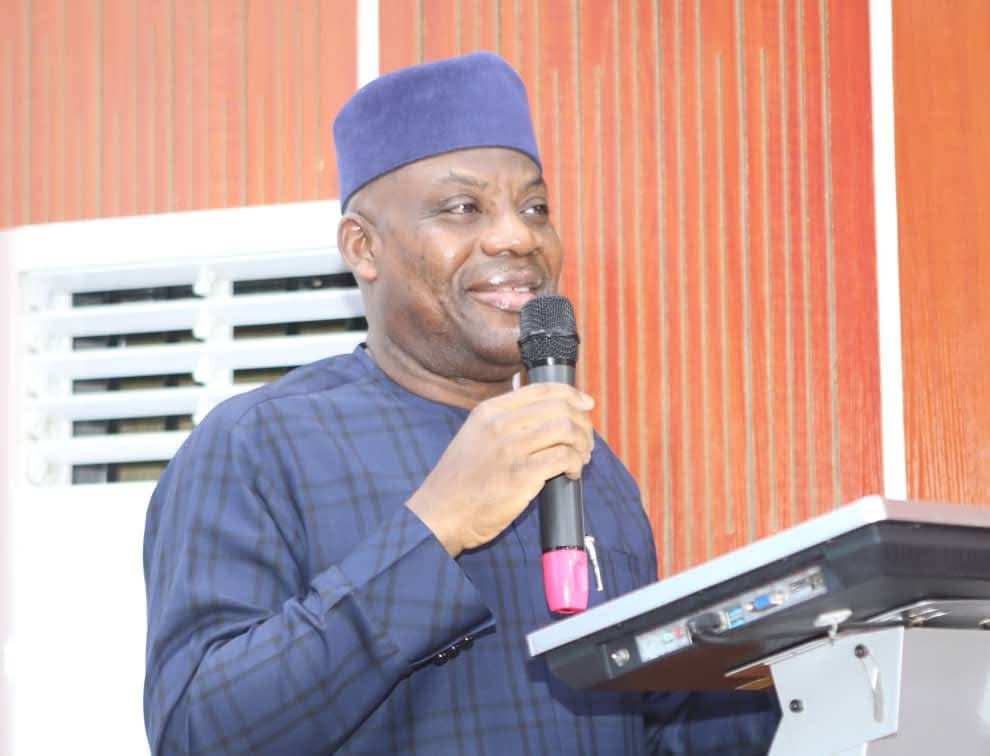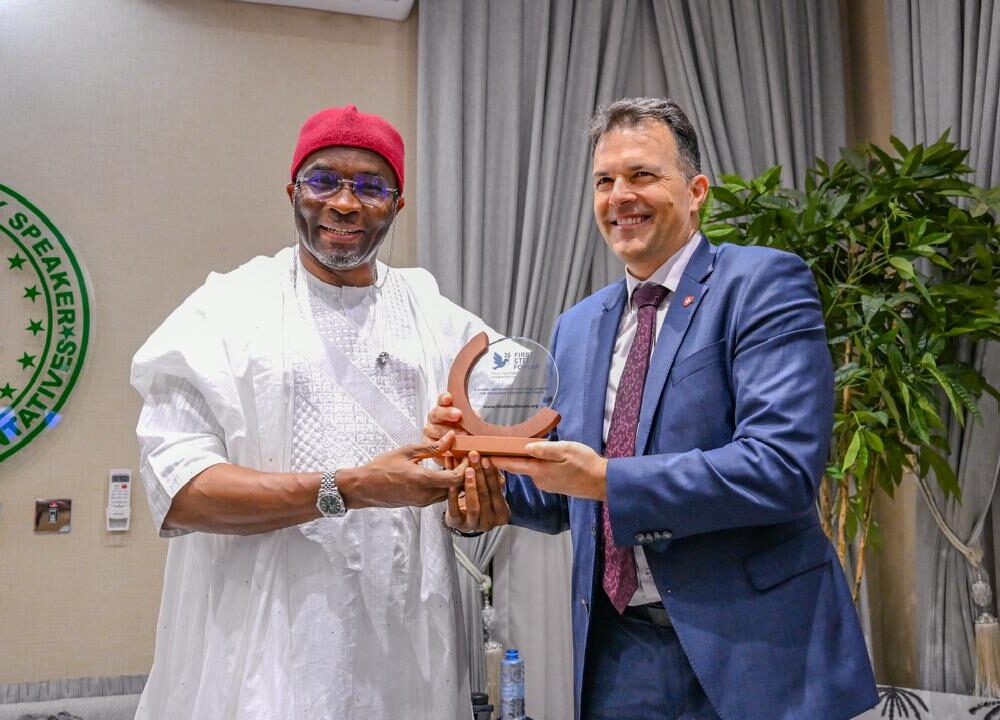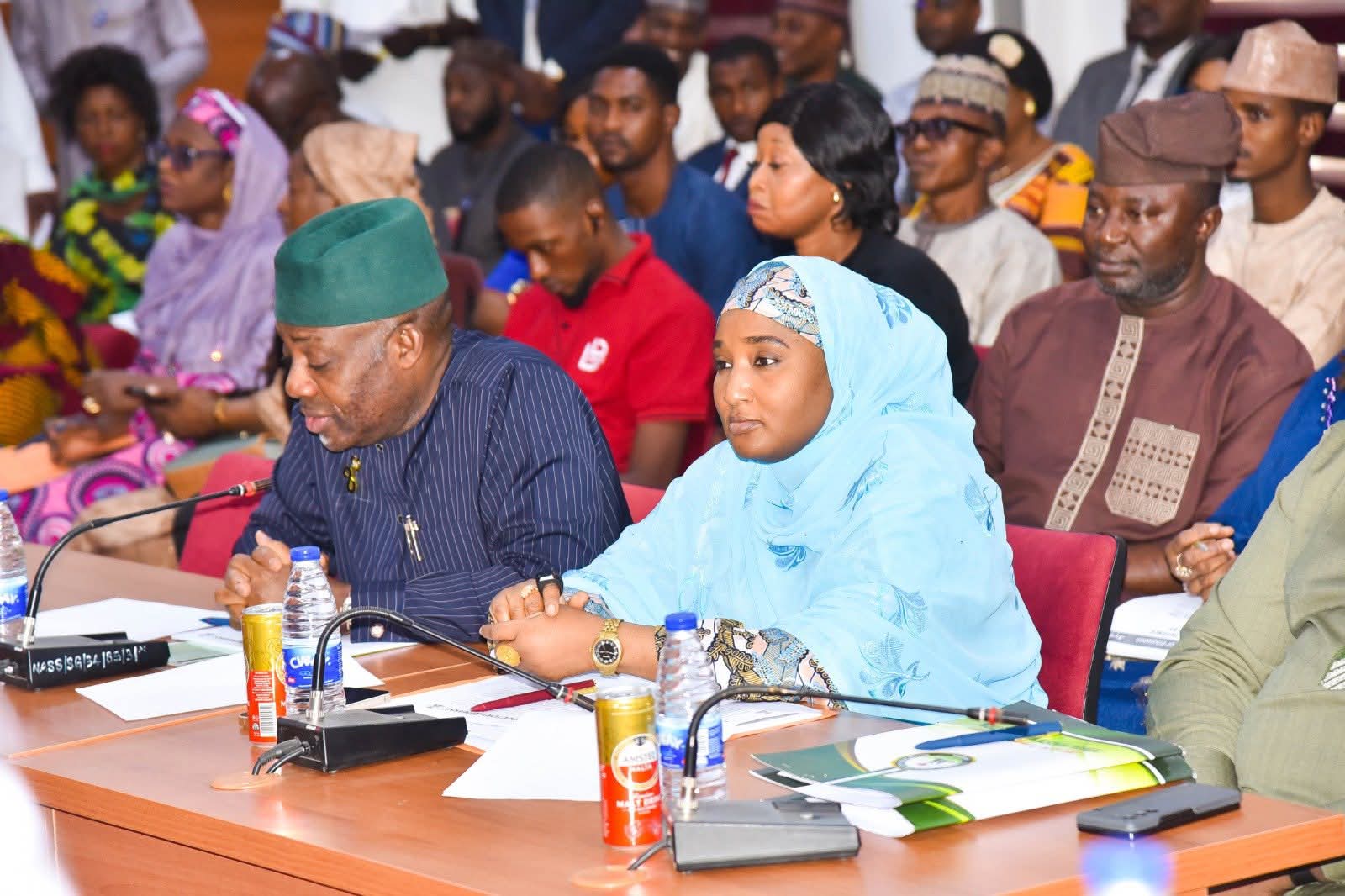
The Honourable Minister of Education, Maruf Tunji Alausa, has defended the Federal Ministry of Education’s proposed ₦2.4 trillion budget for 2026 before the National Assembly, outlined key priorities aimed at strengthening Nigeria’s education sector through improved staffing, infrastructure, and skills development.
According to a statement issued by Boriowo Folasade, Director of Press and Public Relations at the Federal Ministry of Education, the minister reaffirmed the Federal Government’s commitment to transparency, measurable outcomes, and the completion of ongoing educational projects nationwide during the budget defence before the National Assembly’s Joint Committees on Education.
Dr. Alausa, accompanied by the Minister of State for Education, Suwaiba Said Ahmad, Permanent Secretary Abel O. Eniitan, and ministry directors, explained that rollover provisions were included in the proposal to ensure continuity of critical projects across institutions.
He identified major focus areas of the 2026 budget to include teacher recruitment and retention, infrastructure upgrades, enhanced research capacity, expanded digital learning access, and improved school safety measures. According to the minister, Federal Unity Colleges currently face a shortage of more than 3,500 teachers, particularly in Science, Technology, Engineering, Mathematics and Medical (STEMM) subjects, necessitating structured recruitment and training initiatives.
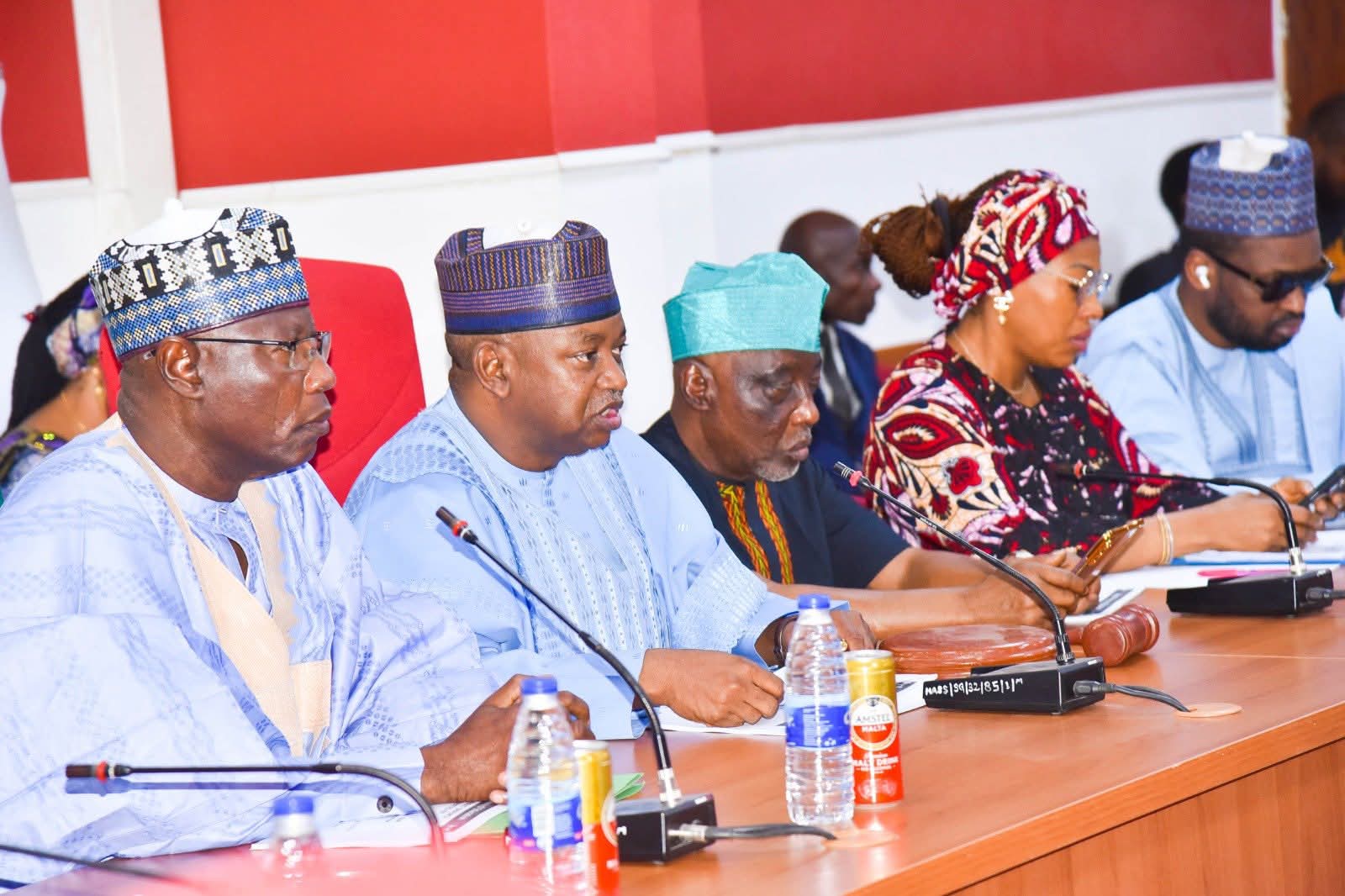
A breakdown of the budget shown ₦966.9 billion allocated to universities, ₦382 billion to polytechnics and colleges of education, ₦633.3 billion to education parastatals, ₦155 billion to Unity Colleges, and ₦10.3 billion earmarked for international commitments.
The minister further disclosed that the expansion of Technical and Vocational Education and Training (TVET) programmes is expected to equip over five million youths with employable and entrepreneurial skills, supporting national economic growth.
Dr. Alausa noted that the ministry’s 2026–2028 deliverables align with the Renewed Hope Agenda of President Bola Ahmed Tinubu, as well as the Education Sector Roadmap, stressing that accountability, efficiency, and measurable impact would guide implementation of all education projects.