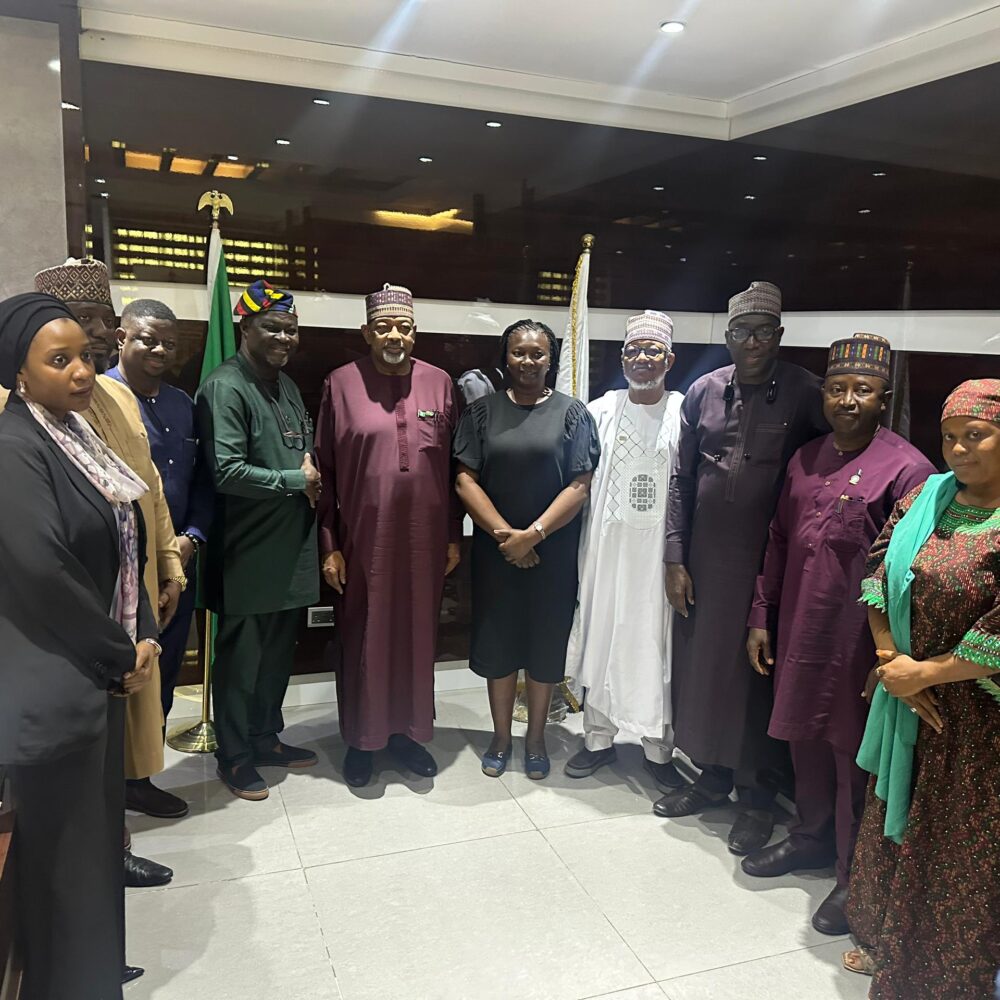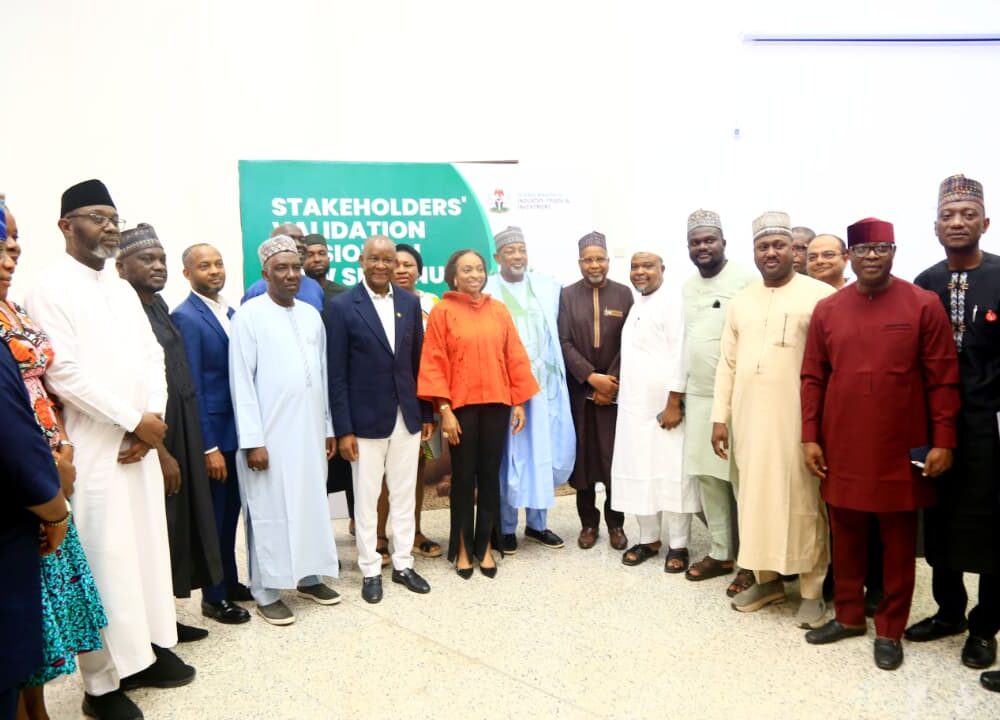

The Agricultural Research Council of Nigeria (ARCN) has restated its commitment to tackling the challenges confronting federal agricultural research institutes and colleges across the country.
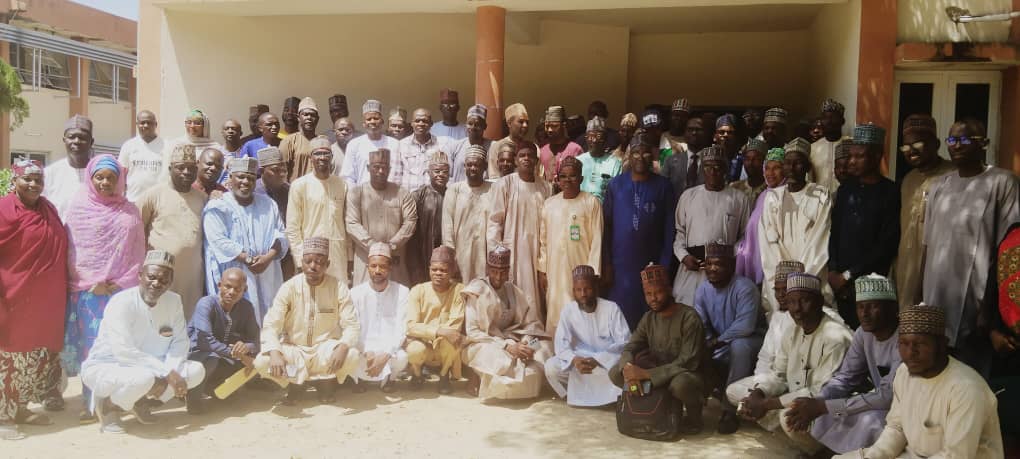
Executive Secretary of the Council, Dr. Abubakar Adamu Dabban, gave the assurance during a working visit to the Federal College of Freshwater Fisheries Technology, Baga, and the Lake Chad Research Institute, both in Maiduguri.
During the visit, Dr. Dabban charged the management and staff of the institutions to redouble their efforts in training, research, and extension services to align with the Federal Government’s food security agenda. He commended their dedication and perseverance despite operational challenges, stressed that the institutions remained vital to advancing the mandates of the ARCN and the Federal Ministry of Agriculture and Food Security.
“We must strengthen research, training, and extension to fast-track innovation, boost productivity, and help Nigeria achieve the Sustainable Development Goals (SDGs) by 2030,” Dabban said.
According to a statement by the Council’s Head of Public Relations, Khadijat O. Ameen, the Executive Secretary disclosed that ARCN is engaging with the Tertiary Education Trust Fund (TETFund) to ensure the agricultural research subsector benefits from its interventions. He added that the Council has also reinitiated the review of the Conditions and Schemes of Service for the National Agricultural Research Institutes (NARIs) and Federal Colleges of Agriculture (FCAs) in collaboration with the Office of the Head of the Civil Service of the Federation to improve staff welfare and institutional efficiency.
Dr. Dabban further explained that the ongoing reforms will strengthen the Monitoring and Evaluation framework, update management guidelines for NARIs and FCAs, and enhance laboratories, workshops, and infrastructure across agricultural institutions.
He directed all Federal Colleges of Agriculture to ensure prompt submission of annual budgets, quarterly and annual reports, maintain open communication with the Council, update staff nominal rolls, and forward promotion lists with relevant documentation ahead of examinations.
While urging the institutions to uphold professionalism and respect for ARCN officials on assignment, he called for stronger collaboration and innovation to drive agricultural growth, job creation, and food security nationwide.
Dr. Dabban also explained that a more detailed and independent Conditions of Service for both colleges and research institutes is underway, assuring staff that the reforms will bring greater clarity and fairness to the system.
In their separate remarks, Prof. Modu Bako, Provost of the Federal College of Freshwater Fisheries Technology, Baga, and Prof. Babagana Jubrin, Executive Director of the Lake Chad Research Institute, commended the Executive Secretary for his leadership and support. They outlined their institutions’ recent achievements and appealed for the restoration of Education Trust Fund (ETF) and TETFund interventions for agricultural institutions to enhance research and learning capacity.