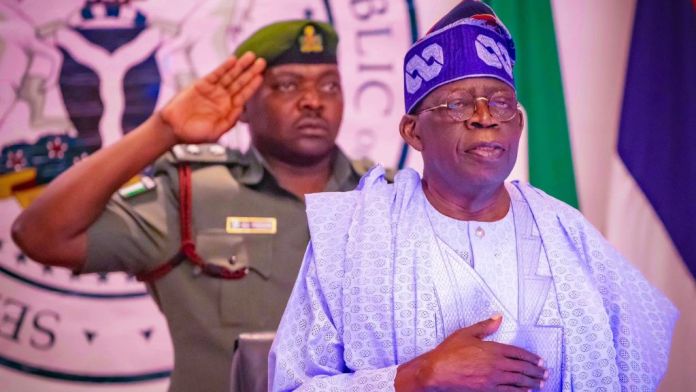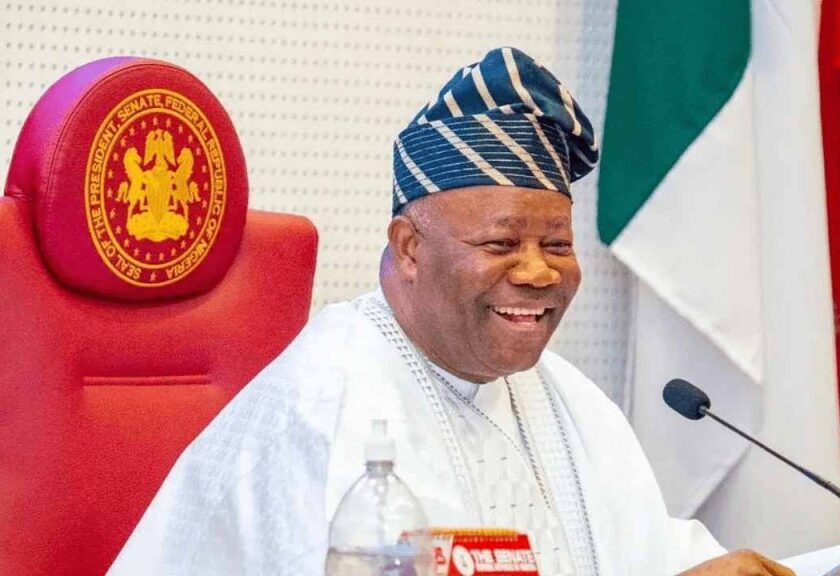

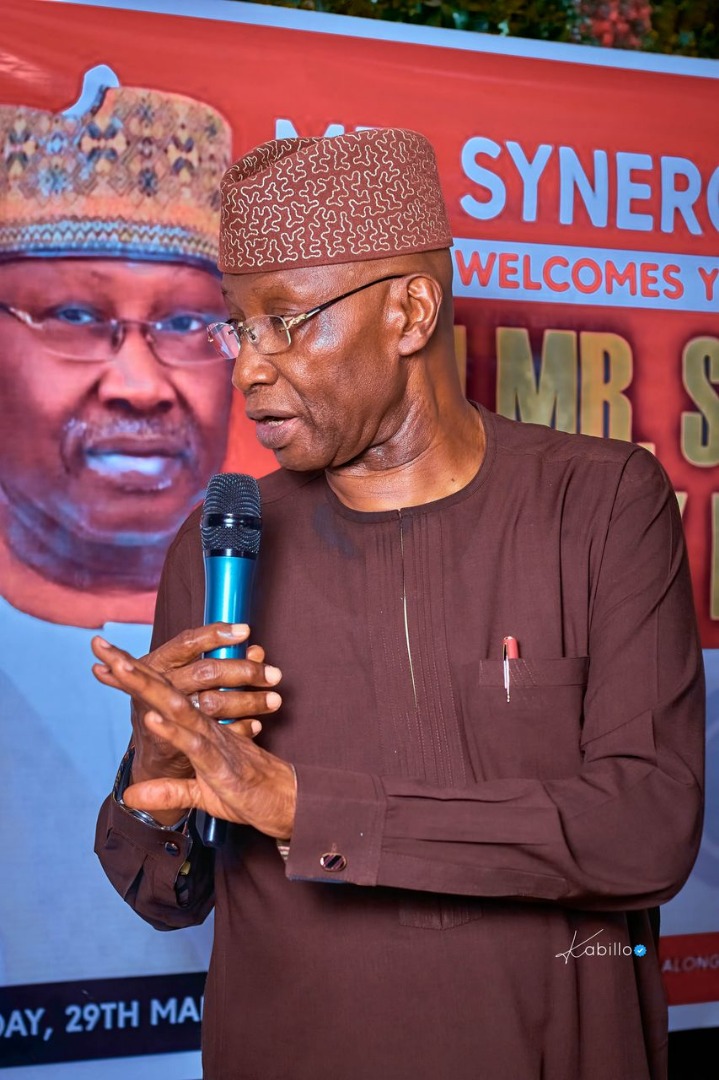
The public presentation of According to the President, a new book by presidential spokesperson, Mallam Garba Shehu, has rekindled national conversation on the governance legacy of former President Muhammadu Buhari and the reform-driven agenda of President Bola Ahmed Tinubu.
Held in Abuja, the event brought together political leaders, policy experts, diplomats, and members of the media to reflect on the Buhari administration’s policy directions and their impact on the country’s development trajectory.
In his remarks, former Secretary to the Government of the Federation (SGF), Boss Mustapha, described Buhari’s tenure as “pivotal in laying the structural foundation for sustainable national growth.” He highlighted landmark reforms such as the passage of the Petroleum Industry Act (PIA), extensive infrastructure investments, and the introduction of the National Social Investment Programme (NSIP) designed to uplift Nigeria’s most vulnerable citizens.
“The baton of leadership has passed, but the relay of reform continues,” Mustapha noted, emphasized the importance of continuity in policy implementation for national development.
Participants also acknowledged President Bola Tinubu’s efforts in consolidating on these gains through strategic interventions. These include reforms in electricity deregulation to enhance power supply, performance-based civil service reforms, and a revamped tax administration aimed at increasing revenue and reducing leakages.
Analysts at the event observed that the synergy between Buhari’s institutional groundwork and Tinubu’s consolidation approach represents a paradigm shift from personality-driven governance to system-strengthening policies. This evolution, they argued, is crucial for national transformation and democratic sustainability.
According to the President offers rare insights into President Buhari’s leadership ethos, decision-making process, and governance philosophy. More than a memoir, the book serves as a resource for scholars, policymakers, and political historians interested in contemporary Nigerian governance.
The book presentation was not just a celebration of a political legacy, but a call to action for leaders to build upon tested reforms while shaping a more resilient and accountable public service system.