
A coalition of civil society organisations (CSOs) has raised concerns over delays and ambiguities surrounding the ongoing amendment of Nigeria’s Electoral Act, warned that unresolved issues could undermine preparations for the 2027 general election.
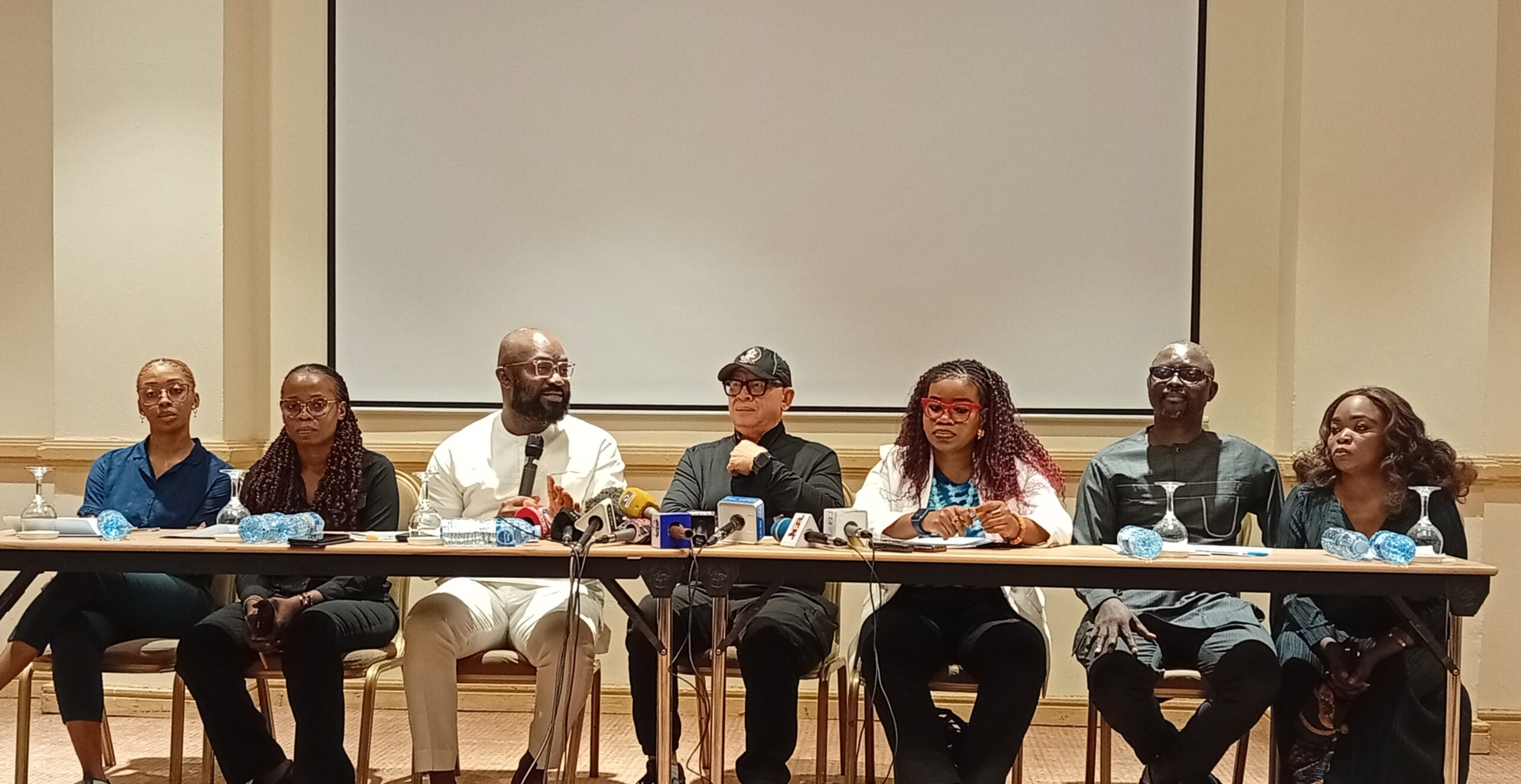
The groups, which spoke at a press conference in Abuja on Monday, said conflicting interpretations of recent Senate actions on the Electoral Amendment Bill have created legal uncertainty capable of affecting the Independent National Electoral Commission’s (INEC) ability to conduct credible elections.
The press conference was convened by the Centre for Media & Society (CEMESO), The Kukah Centre, International Press Centre (IPC), ElectHER, Nigerian Women Trust Fund, TAF Africa, and Yiaga Africa. Comrade Jake Epelle of TAF Africa addressed the media on behalf of the coalition.
According to the CSOs, public discourse following the Senate’s vote has been dominated by three competing narratives: that the Senate approved mandatory real-time electronic transmission of results; that it retained the existing provision of the Electoral Act 2022 granting INEC discretionary powers over result management; or that it substituted the word “transmit” with “transfer” while removing the requirement for real-time transmission.
They described the situation as unacceptable for legislation of “historic significance,” stressing that electoral laws must provide clarity, predictability, and legal certainty rather than confusion.
The coalition warned that delays in concluding the amendment process have already begun to affect the 2027 election timeline. Citing Section 28(1) of the Electoral Act 2022, the CSOs noted that INEC is legally required to issue a Notice of Election not later than 360 days before polling day.
They explained that INEC’s established policy framework schedules general elections for the third Saturday of February, which places the 2027 general election on February 20, 2027, and requires the issuance of a Notice of Election by February 24, 2026.
“The Electoral Act 2022 remains operative until amended,” the coalition said, adding that the inconclusive status of the amendment bill does not suspend INEC’s statutory obligations. They therefore urged the electoral body to release the timetable and schedule for the 2027 general election without further delay.
According to the CSOs, releasing the timetable would fulfil INEC’s legal responsibilities, protect the Commission from litigation, and provide political parties, candidates, and civil society groups with certainty for early and effective preparation.
The groups also called on the Senate to convene an emergency plenary session to resolve all ambiguities in the amendment bill, particularly on mandatory real-time electronic transmission and collation of results, downloadable digital voter identification to address uncollected Permanent Voter Cards (PVCs), and the retention of established electoral timelines.
On electoral technology, the coalition urged the Conference Committee of the Senate and House of Representatives to adopt the House position mandating electronic transmission of results in a technology-neutral manner. They argued that real-time transmission, defined as the immediate upload of polling unit results after counting and announcement, is critical to transparency and the prevention of manipulation during physical collation.
The CSOs also recommended provisions allowing downloadable digital voter identification, noting that about 6.2 million registered voters were disenfranchised in recent elections due to failure to collect PVCs despite completing registration.
In addition, they called for the retention of current statutory timelines for elections and candidate submissions, warning that compressing timelines would increase legal risks and heighten the chances of operational failure.
The coalition further urged that the scope of individuals and groups permitted to trigger INEC’s result review mechanism be expanded beyond INEC officials to include political parties, candidates, accredited observers, and party agents, citing tribunal findings from the 2023 elections that implicated some election officials in result manipulation.
The CSOs called on the National Assembly to conclude the harmonisation process in the national interest and transmit the final Electoral Amendment Bill to the President within two weeks, while urged citizens and stakeholders to demand reforms that strengthen transparency, inclusion, and the credibility of the 2027 general election.