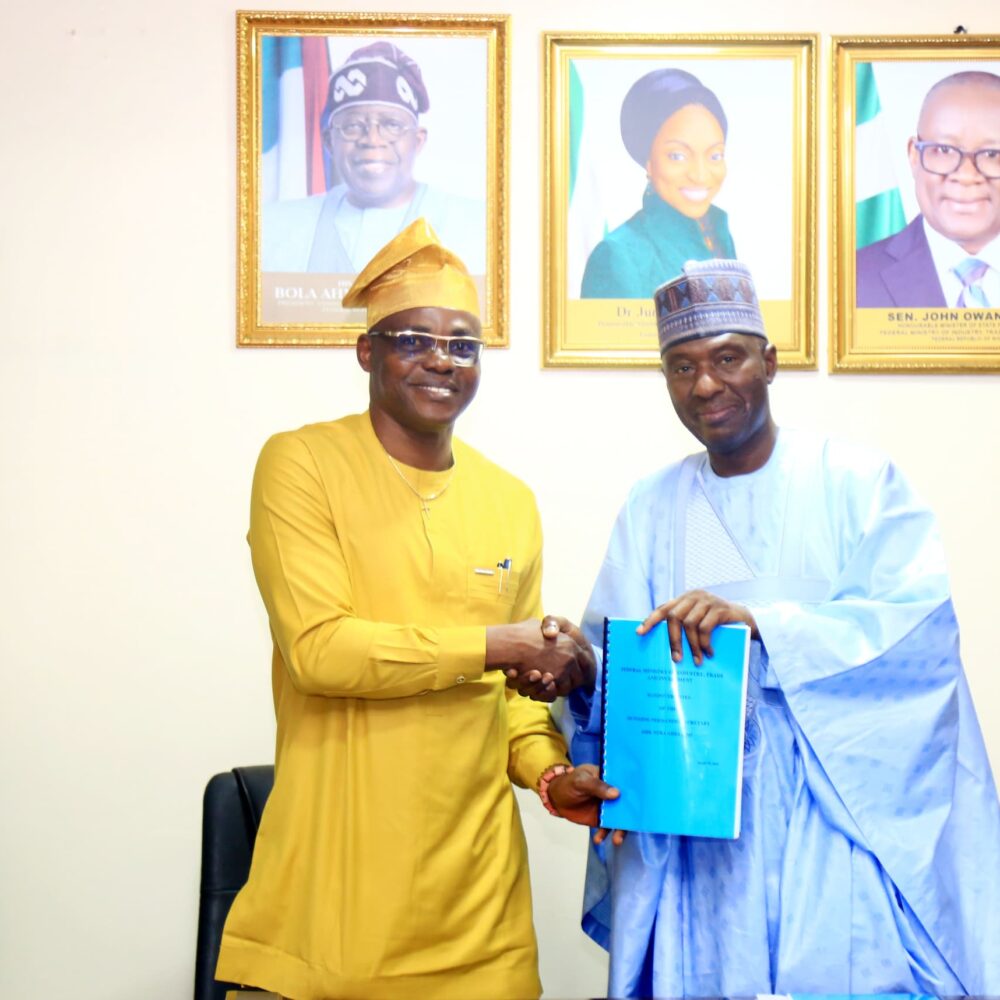

The Nigerian National Single Window (NSW) project is steadily progressing toward its early-2026 operational target, following high-level meetings at the Nigeria Customs Service (NCS) Headquarters in Abuja. Launched by President Bola Ahmed Tinubu in April 2024, the initiative is aimed at simplifying trade procedures, improving transparency, and boosting the nation’s economic growth.
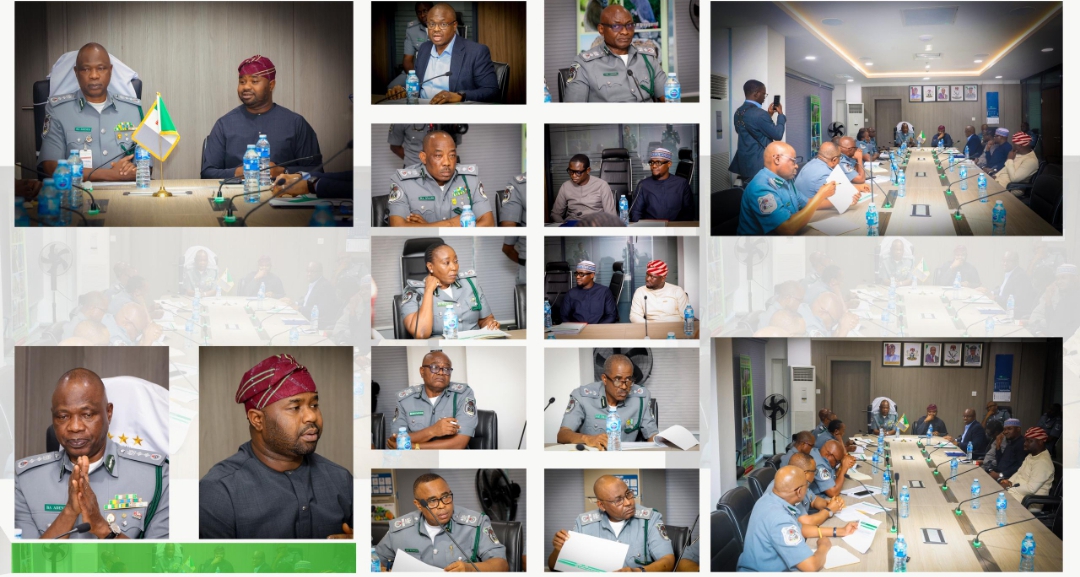
At the August 12 review meeting, key stakeholders including Comptroller-General of Customs Adewale Adeniyi, FIRS Executive Chairman Zacch Adedeji, and NSW Director Tola Fakolade pledged stronger inter-agency collaboration. Discussions focused on aligning integration timelines and ensuring all agencies are ready ahead of the first-quarter 2026 deadline.
In a follow-up session on 16 September, Adedeji expressed satisfaction with the project’s pace, praising Customs for their cooperation. “I can’t thank you all enough for the wonderful progress as I’m seeing everything being completed. This has become the official headquarters of the implementation. Nigeria Customs Service is playing host to the core implementation scheme of Single Window,” he said.
Fakolade announced nationwide stakeholder engagement sessions across the country’s four zones in October and confirmed the continuation of bi-weekly technical meetings to tackle operational challenges and streamline integration. “As part of the implementation of Single Window Project, funds have been approved to support various MDAs, particularly in IT infrastructure,” Fakolade stated.
Comptroller-General Adeniyi reiterated Customs’ commitment to the project, emphasized that the Service is not only fulfilling its technical responsibilities but also driving the broader vision of a seamless trade ecosystem.
Once fully operational, the NSW is expected to reduce cargo clearance times, lower trade costs, curb revenue leakages, and enhance Nigeria’s competitiveness in global trade. With renewed momentum and strengthened collaboration between FIRS and Customs, the project remains on track to deliver lasting economic impact.