
The Honourable Minister of State for Health and Social Welfare, Dr. Iziaq Adekunle Salako, has described diagnostics as the foundation of modern healthcare, stressing that strengthening Nigeria’s diagnostic capacity is a strategic investment in the efficiency, credibility and performance of the nation’s health system.
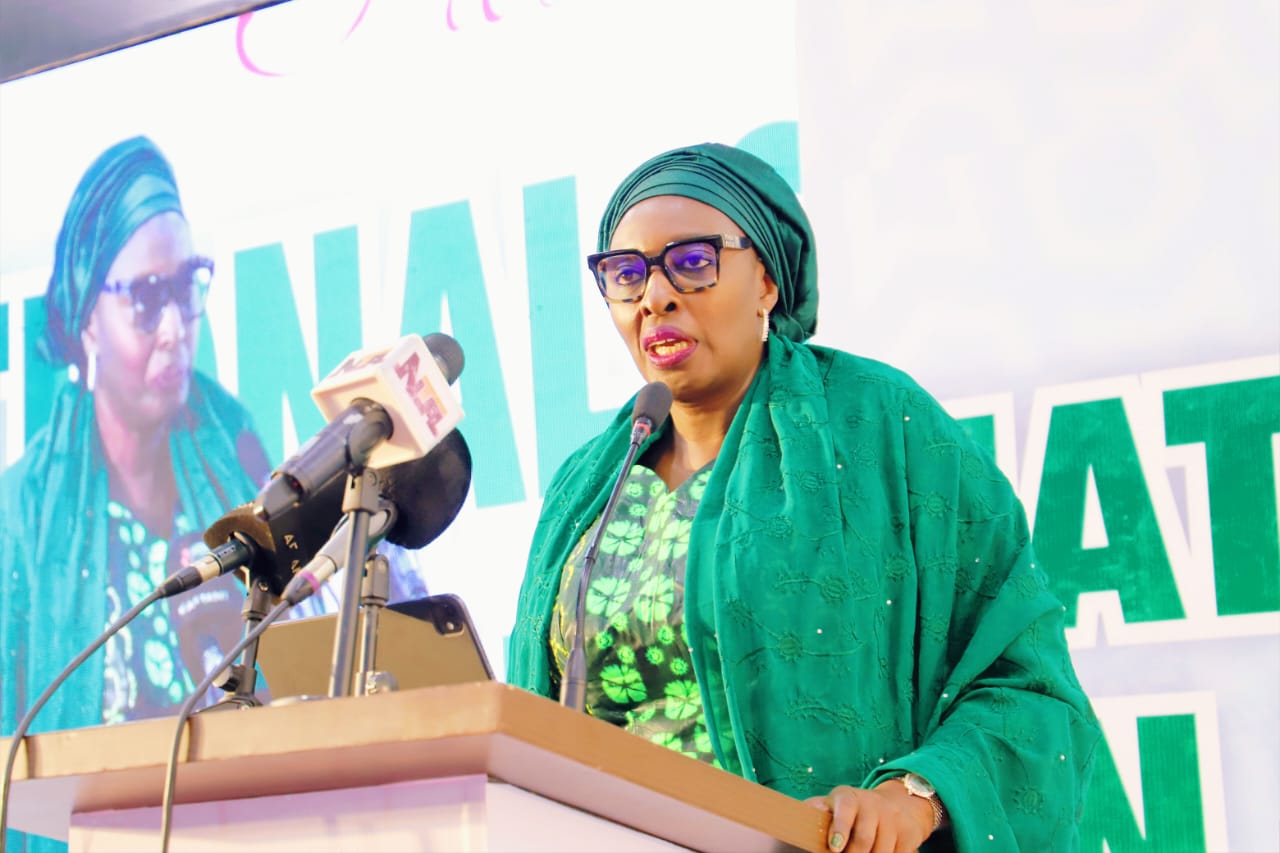
Salako stated this in his keynote address at the 2026 National Summit on Diagnostics themed “Strengthening Partnerships and Local Content for Integrated Diagnostics,” held in Abuja.
He explained that accurate and timely diagnosis is critical for disease prevention, early detection, effective treatment and continuous patient monitoring, noting that globally a significant proportion of clinical decisions depend on diagnostic results.
The minister, who was represented by the Permanent Secretary of the Federal Ministry of Health and Social Welfare, Daju Kachollom, said the theme of the summit reflected the urgent need to transform Nigeria’s diagnostic landscape into one that is resilient, sustainable and capable of delivering improved health outcomes for citizens.
According to him, a well-integrated and coordinated diagnostic system is indispensable for quality healthcare delivery across all levels of care.
“A well-integrated and coordinated diagnostic system is indispensable for quality healthcare delivery. Whether in a primary healthcare centre in a rural community or a tertiary hospital in a major city, access to reliable diagnostic services empowers healthcare providers to make informed decisions that improve patient outcomes and ensure optimal use of resources,” he said.
Salako further explained that strengthening diagnostics goes beyond infrastructure and required strong governance, effective partnerships, skilled manpower, functional laboratory networks, regulatory oversight and sustainable financing.
He also highlighted the Federal Government’s focus on promoting local content development within the health sector, including the manufacturing, distribution and maintenance of diagnostic equipment and in-vitro diagnostic products.
The minister said investing in local innovation and production would enhance national health security, stimulate economic growth, create jobs and position Nigeria as a regional leader in healthcare solutions.
Reaffirming the commitment of the Federal Government under the Renewed Hope Agenda of President Bola Ahmed Tinubu, Salako noted that diagnostics occupy a strategic position in ongoing health sector reforms.
He added that the ministry would continue to advance policies and initiatives aimed at strengthening laboratory services nationwide, citing the implementation and periodic review of the National Essential Diagnostics List as a key step.
Speaking on the importance of partnerships, the minister said government alone cannot achieve the desired transformation in the diagnostic ecosystem.
“The strength of our diagnostic ecosystem will ultimately depend on the strength of our partnerships. We must work hand-in-hand with development partners, research institutions, professional bodies, the private sector and local innovators to drive sustainable progress,” he said.
He also announced that the National Summit on Diagnostics would henceforth be institutionalised as an annual platform for strengthening partnerships, promoting local content and advancing integrated diagnostic services in Nigeria.
In her welcome remarks, the Permanent Secretary of the ministry, Daju Kachollom, represented by the Director of Hospital Services, Dr. Adeola Adegoke, described diagnostics as the backbone of clinical decision-making and public health response.
She noted that over 70 per cent of medical decisions globally rely on diagnostic results, stressing the need to ensure accessible, reliable and high-quality diagnostic services across all levels of healthcare.
Kachollom acknowledged that Nigeria has made progress in expanding laboratory and diagnostic capacity but noted that challenges such as infrastructure gaps, workforce shortages, supply chain constraints and inequitable access still persist.
According to her, addressing these challenges requires stronger partnerships among government institutions, development partners, academia and the private sector.
Also speaking at the summit, the Executive Director of KNCV TB Foundation, Netherlands, Dr. Gidado Mustapha, called for the enforcement of a national diagnostics integration framework and improved access to diagnostic services at primary healthcare facilities across the country.
He said strengthening diagnostic services at the grassroots level would enhance healthcare delivery and promote early disease detection.
In his vote of thanks, the Director and Head of Medical Laboratory Services Division, Dr. Emeka Elom, expressed appreciation to the Federal Government and stakeholders for their continued support toward transforming Nigeria’s health sector.
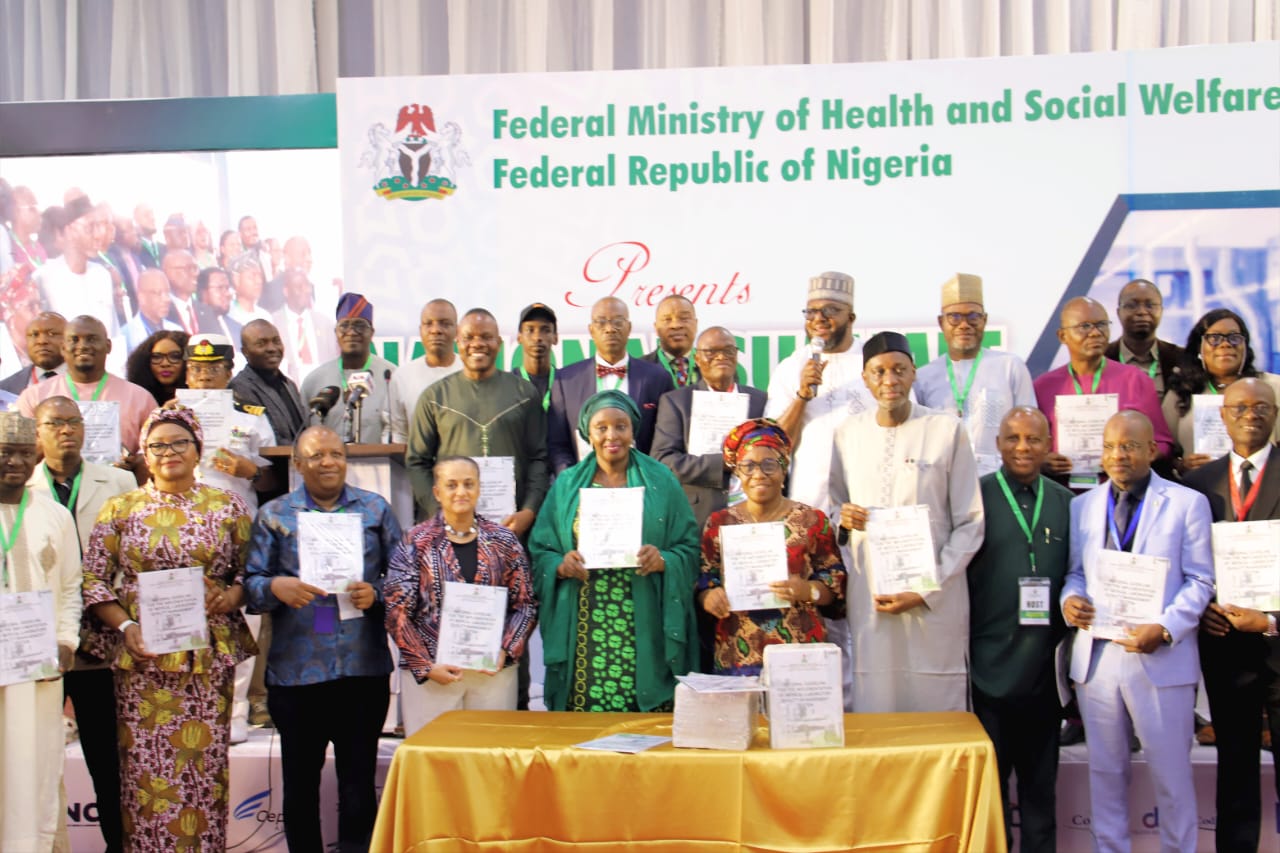
The summit featured the unveiling of a policy document titled “National Guideline for the Implementation of Medical Laboratory Quality Management System.” Participants at the event were drawn from within and outside Nigeria.