
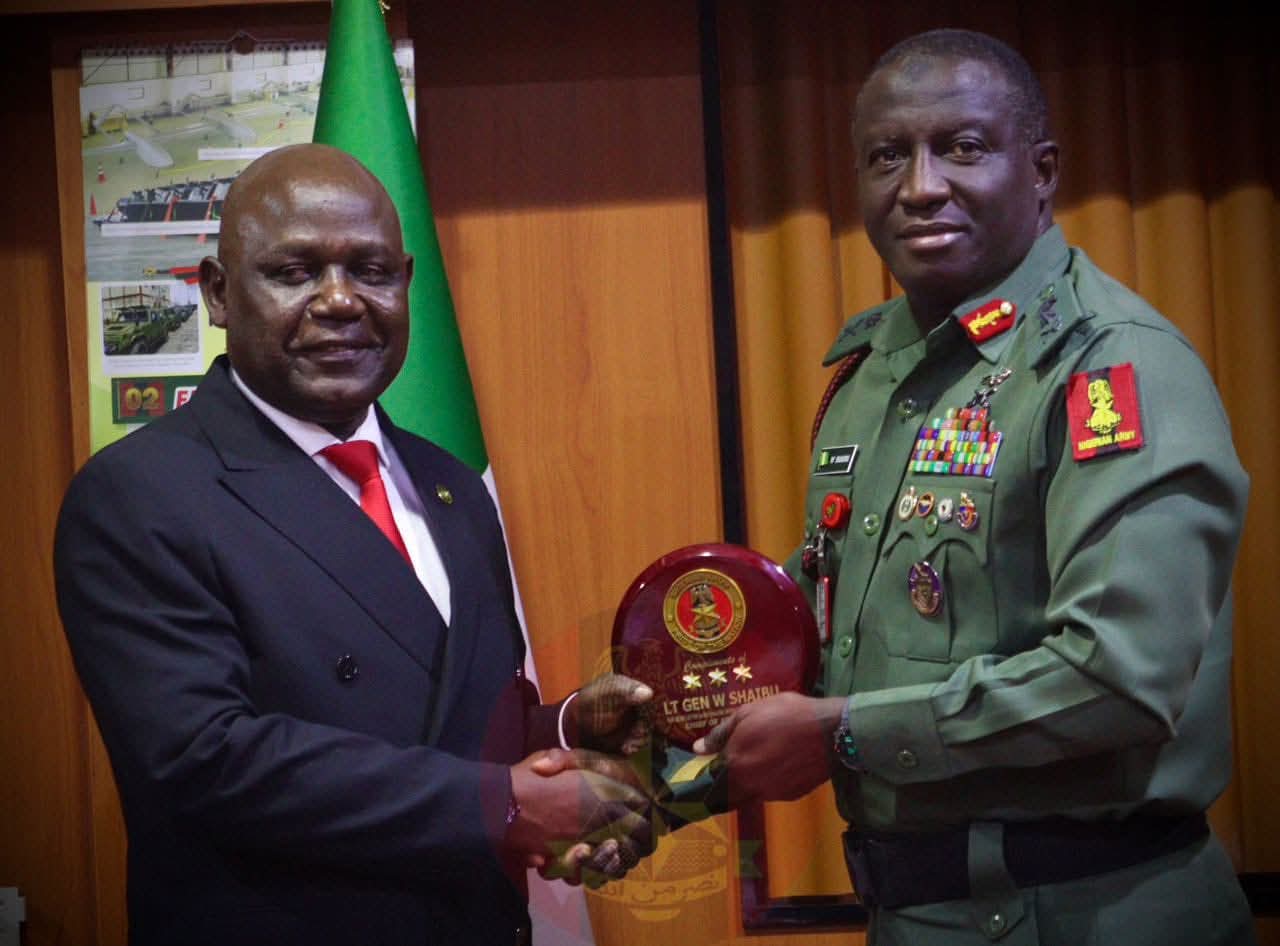
The Chief of Army Staff (COAS), Lieutenant General Waidi Shaibu, has affirmed that the ongoing expansion of the Nigerian Army Aviation wing is set to transform the country’s security operations, describing it as a critical game-changer in tackling emerging threats.
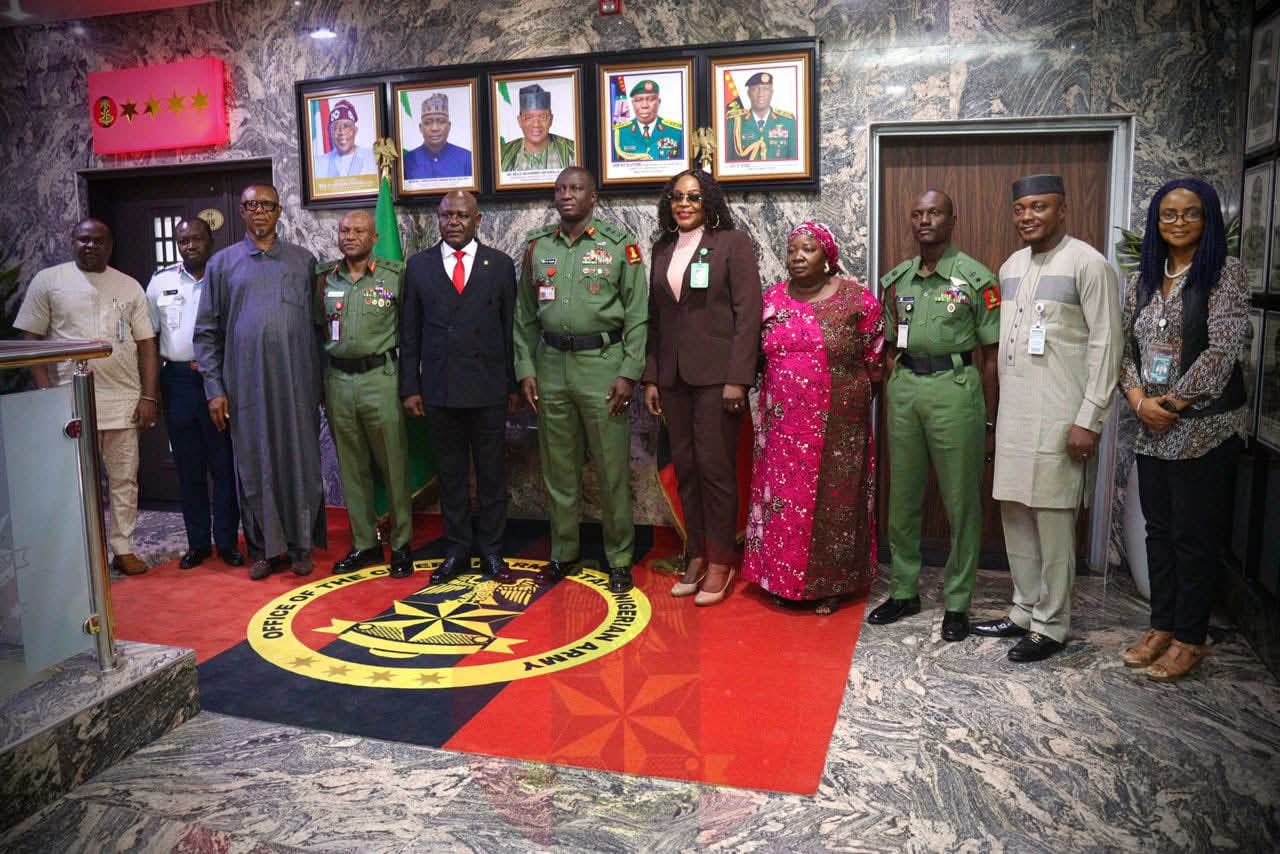

Speaking during a strategic visit by the Permanent Secretary of the Federal Ministry of Defence, Mr. Richard Pheelangwa, to Army Headquarters in Abuja, Lieutenant General Shaibu said modernizing aviation capabilities remains central to the Nigerian Army’s operational effectiveness and modernization agenda.
“The expansion of our aviation assets, including advanced platforms and unmanned aerial systems, significantly enhances our response times, precision engagement, and situational awareness across multiple theatres of operation,” he said. “These capabilities are redefining battlefield dynamics and strengthening our ability to project power, dominate operational spaces, and protect civilians.”
The COAS stressed that sustainable policy support and predictable resource allocation are essential to maximizing the impact of the Army Aviation expansion. He highlighted that efficient procurement processes, robust logistics, and steady funding will ensure continuity, operational effectiveness, and long-term dominance of the aviation wing in support of ground operations.
Lieutenant General Shaibu also drew attention to the growing infrastructural demands following the recent increase in personnel approved by President Bola Ahmed Tinubu. He urged deliberate investment in barracks construction and facility upgrades to guarantee adequate accommodation, improve troop welfare, and boost morale, cohesion, and operational efficiency.
In his remarks, Mr. Pheelangwa described the visit as a strategic engagement to deepen collaboration between the Ministry of Defence and the Nigerian Army. He reaffirmed the Ministry’s commitment to strengthening administrative coordination, eliminating procedural bottlenecks, and prioritizing resource governance to support the Army’s aviation expansion and broader modernization drive.
Officials said the engagement underscores renewed institutional cooperation aimed at enhancing national security and sustaining operational superiority in the face of evolving threats.