

The Federal Government has engaged traditional and religious leaders nationwide to strengthen the implementation of health sector reforms under the Nigeria Health Sector Renewal Investment Initiative. The move was announced ahead of the 2026 National Traditional and Religious Leaders’ Summit on health, aimed at deepening collaboration and accountability across the sector.
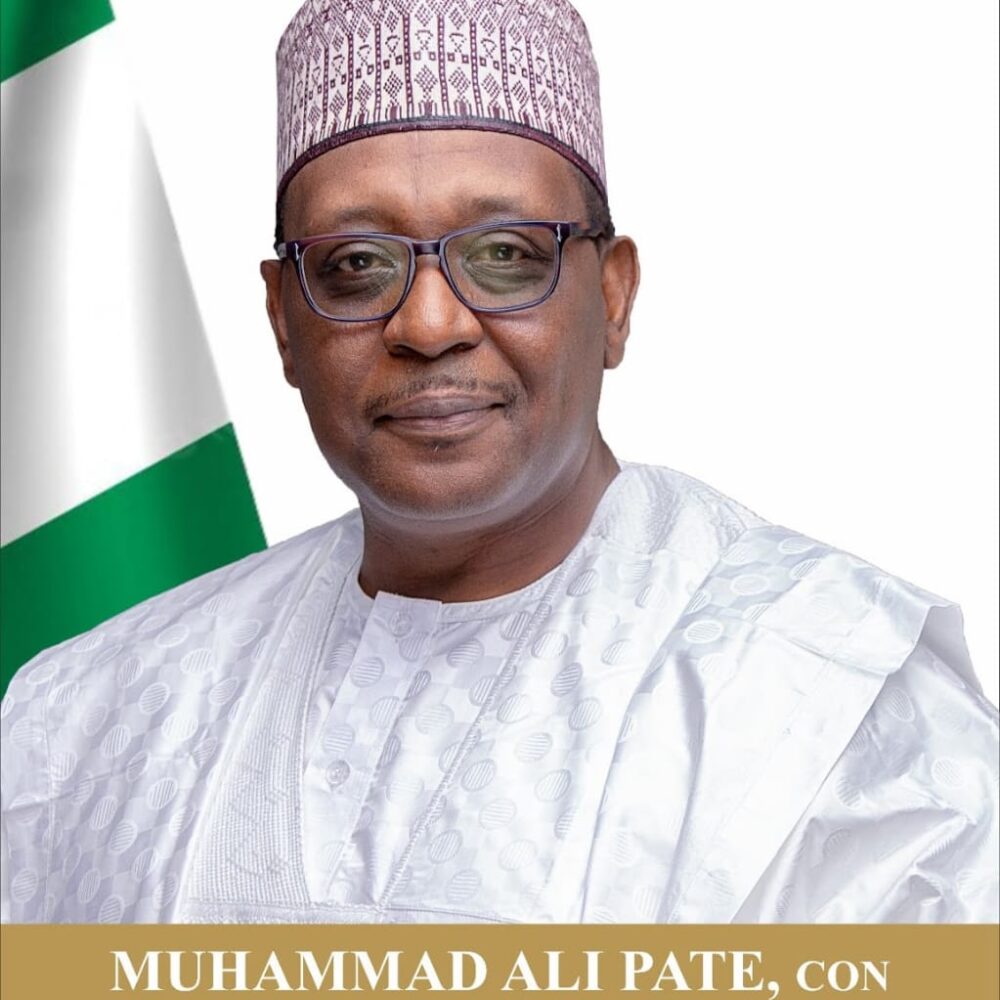
Coordinating Minister of Health and Social Welfare, Professor Muhammad Ali Pate, disclosed this during a ministerial press briefing in Abuja. He explained that the reforms are focused on strengthening governance and accountability, expanding access to quality health services, unlocking the health value chain, and reinforcing health security and resilience.
“Health outcomes are not driven by government action alone. They are shaped by trust, leadership, and decisions made in households and communities every day. That is why engagement with traditional and religious leaders is essential,” Pate emphasized.
The Minister noted that President Bola Ahmed Tinubu approved the Summit in line with the National Health Act 2014, which provides consultative mechanisms to enhance coordination and shared responsibility. “The Summit is designed to clarify the Ministry’s reform blueprint, strengthen collaboration for implementation, and reinforce accountability at federal, state, and local levels,” he said.
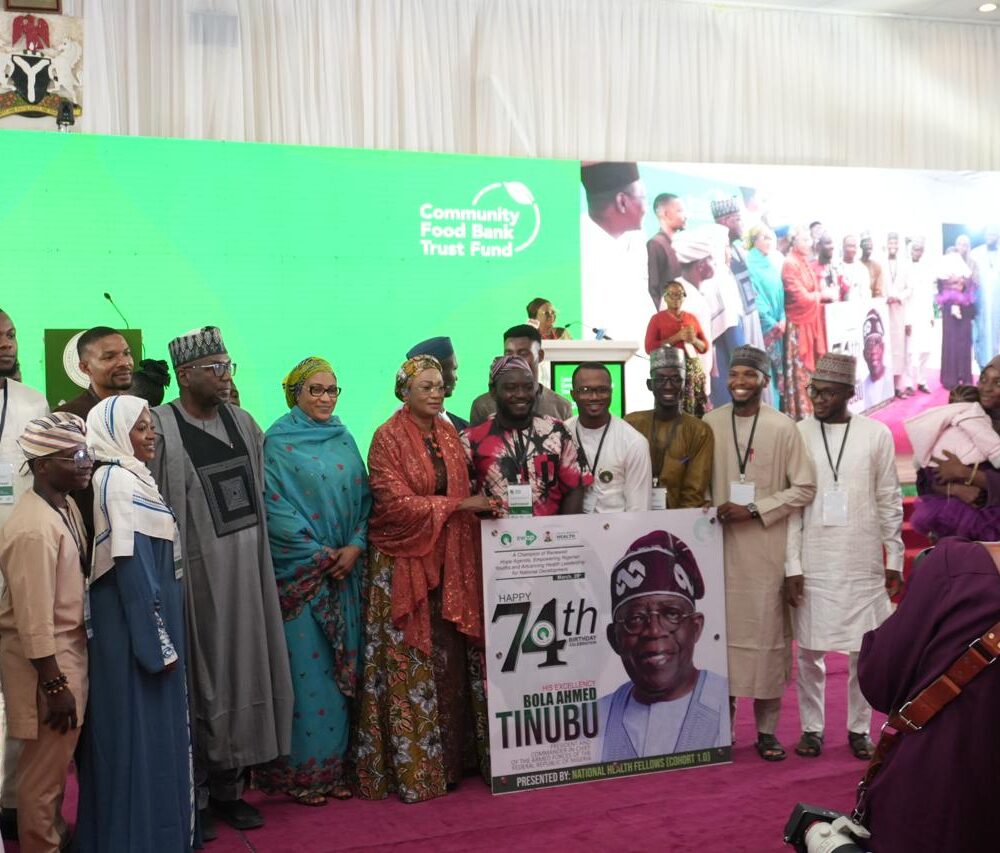
The 2026 Summit will also feature the launch of the National Health Fellows Programme, creating structured pathways for young Nigerians to develop leadership capacity in the health system. In addition, a structured dialogue will address the Nigeria–United States Memorandum of Understanding on HIV, TB, and Malaria, under which approximately $2 billion will come from the U.S. Government and $3 billion from Nigeria over five years. Pate emphasized that domestic financing will gradually take the lead, with external support complementing rather than replacing Nigeria’s responsibility.
Addressing concerns about faith-based providers, Pate clarified that only 10% of the U.S. contribution is earmarked for such institutions, and there is no preference for any religion. “We must avoid narratives that distort facts or promote division,” he warned.
Describing traditional and religious leaders as partners in community mobilization and champions of trust and accountability, Pate said the Summit will go beyond immunization to tackle broader health issues, including maternal and child health, nutrition, human resources for health, and service delivery systems.
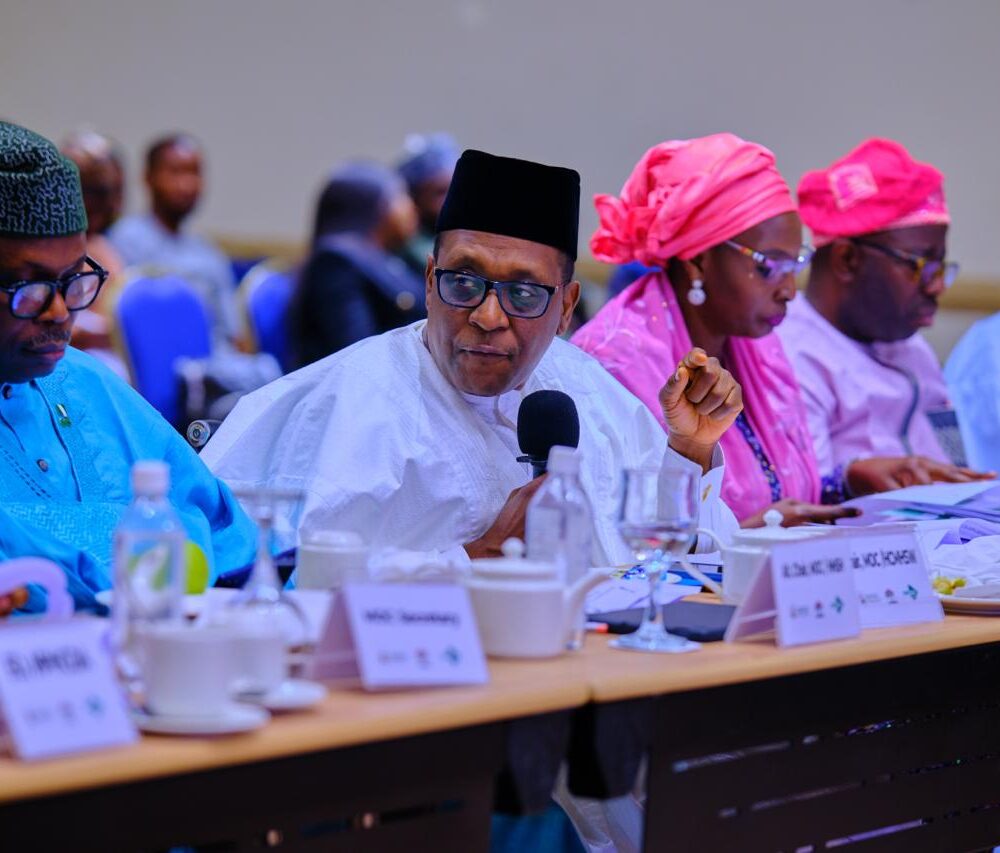
The press briefing was attended by Permanent Secretary Daju Kachollom, directors of various departments, and development partners.