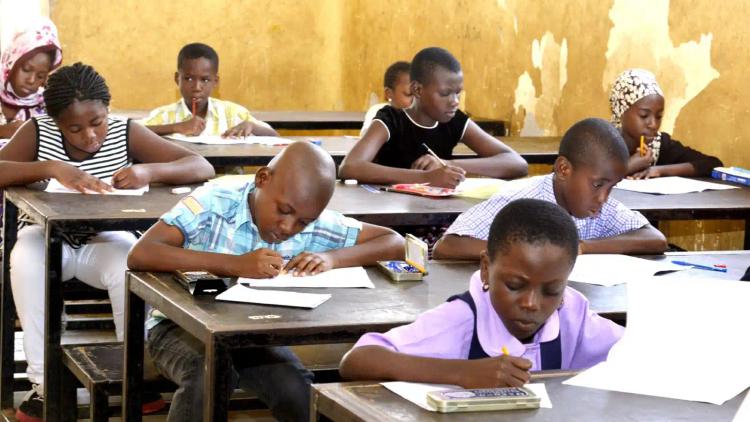
The Federal Government has stepped up efforts to attract private sector and global investment into Nigeria’s education sector as part of a broader strategy to accelerate reforms and boost national productivity, innovation, and inclusive economic growth.
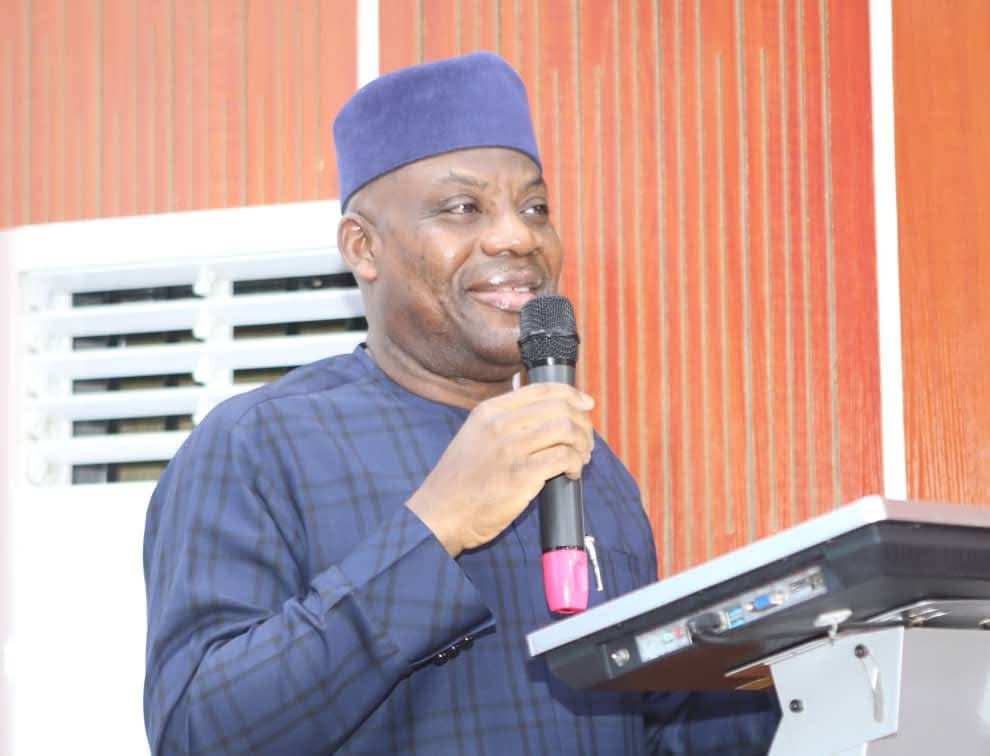
Minister of Education, Maruf Tunji Alausa, made this known at a CEO Breakfast Roundtable on Private Sector and Philanthropy Dialogue on Education held in Lagos. The engagement was convened under the Nigeria Education Sector Renewal Initiative (NESRI), a key plank of the Renewed Hope Agenda of President Bola Ahmed Tinubu.
The roundtable brought together leaders from technology, finance, energy, academia, and development organisations to explore innovative financing models and strengthen collaboration for sustainable education reform.
Alausa highlighted progress recorded over the past 17 months, including improvements in policy frameworks, data systems, digitisation, and partnerships. However, he noted that persistent challenges such as the high number of out-of-school children, learning poverty, and widening skills gaps continue to hinder national development.
To tackle these issues, the minister said the government is implementing targeted interventions, including integrating out-of-school children into formal learning pathways, expanding technical and vocational education, enhancing teacher capacity, and accelerating digital infrastructure deployment.
Also speaking, Minister of State for Education, Suwaiba Said Ahmad, described the dialogue as a critical platform for unlocking innovative ideas and strengthening partnerships to improve education delivery nationwide.
The Special Envoy of the Global Partnership for Education, Serigne Mbaye Thiam, emphasised the importance of private sector participation in unlocking additional funding through the organisation’s multiplier mechanism.
In his remarks, Italian Ambassador to Nigeria, Roberto Mengoni, reaffirmed Italy’s support for Nigeria’s education reforms and commended the government’s commitment to prioritising the sector. He also announced that Italy, Nigeria, and the GPE Board Chair will co-host the 5th GPE Replenishment Conference in Rome on June 9, 2026, aimed at mobilising resources to address the global learning crisis, particularly among girls and marginalised children.
Other development partners, including the United Kingdom, also pledged continued support, commending efforts to enhance accountability, partnerships, and investment coordination.
Stakeholders at the meeting endorsed innovative financing approaches, including blended funding models that combine public, private, and philanthropic resources. They also welcomed the presentation of Nigeria’s Basic Education Investment Case as a framework for guiding strategic investments and improving outcomes.
A major highlight of the event was a commitment by the Airtel Africa Foundation to support digital transformation in education. The foundation pledged to deploy digital curriculum platforms, provide zero-rated data for teacher training, expand school connectivity, and strengthen online learning initiatives across the country.
To drive implementation, stakeholders agreed to establish a Public-Private Education Technical Working Group, co-chaired by the Ministers of Education. The group will develop a governance framework for partnerships, align policy priorities, and mobilise additional financing through the GPE platform.
The Federal Ministry of Education reiterated its commitment to fostering partnerships, innovation, and accountability to improve access, retention, and learning outcomes, while positioning Nigeria’s education system for global competitiveness.