The Federal Government has stepped up efforts to tackle micronutrient deficiencies in Nigeria by inaugurating the National Advisory Committee on Micronutrient Deficiency and Control and unveiling new policy frameworks aimed at coordinated national action.
Speaking at the 2025 National Micronutrient Conference in Abuja, Coordinating Minister of Health and Social Welfare, Professor Muhammad Ali Pate CON, emphasized President Bola Ahmed Tinubu’s commitment to transitioning from fragmented nutrition initiatives to a synchronized, evidence-based approach that prioritized the nutritional needs of women, children, and other vulnerable groups.
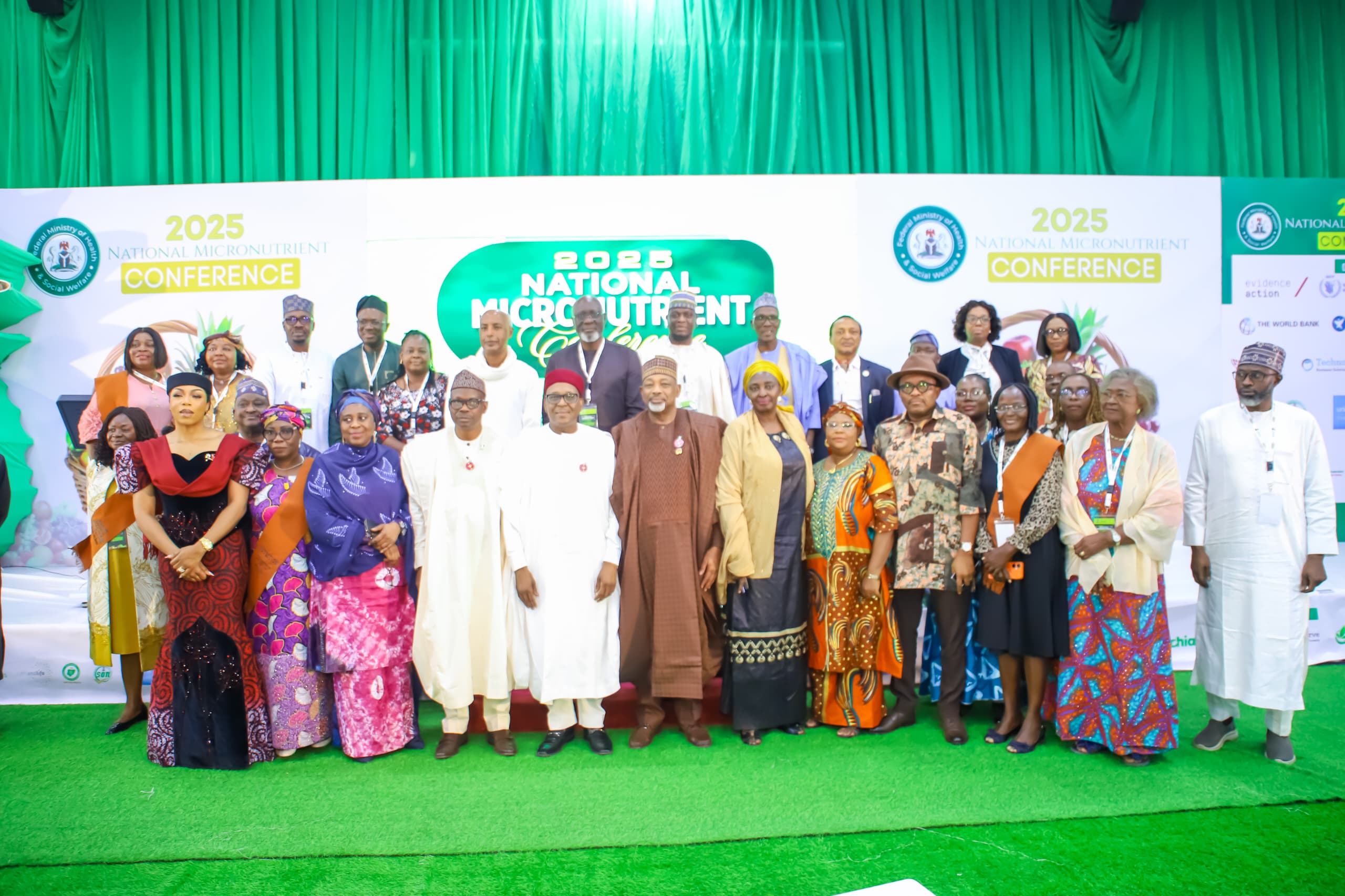
The conference, themed “Strengthening Resilient Systems for Addressing Micronutrient Deficiencies in Nigeria,” brought together stakeholders from health, agriculture, development partners, civil society, academia, and sub-national actors. Prof. Pate described micronutrient deficiency as a “silent but devastating threat” to human capital and national productivity, citing persistent anaemia, vitamin and mineral deficiencies, and unacceptable levels of child malnutrition across the country.
Prof. Pate highlighted the government’s actions, including the mobilization of millions of micronutrient supplement doses for pregnant women, strengthening of the health workforce, expansion of nutrition services through the World Bank-supported Accelerating Results in Nigeria (ARIN) project, and institutionalization of nutrition demonstration corners in health facilities nationwide.
He noted that the newly inaugurated advisory committee will provide a multi-sectoral platform to monitor implementation, advise on priority actions, and address gaps using national surveys such as the Micronutrient Survey and the Demographic and Health Survey. Prof. Pate also called for increased funding from federal, state, and local governments in the 2026 budget cycle, urging households, communities, and civil society to support government initiatives.
Honourable Minister of State for Health and Social Welfare, Dr. Iziaq Adekunle Salako, described micronutrient deficiency as an “invisible crisis with visible consequences,” noting stunting among children under five at 40%, wasting at 8%, and underweight at 27%, based on the 2024 Demographic and Health Survey. He stressed the importance of urgent, sustained, and inclusive action aligned with the President’s Renewed Hope Agenda.
Senator Abubakar Kyari, Minister of Agriculture and Food Security, reiterated the ministry’s commitment to national nutrition goals, emphasizing that food security and nutrition are inseparable. He called for strengthened collaboration between agriculture and health sectors to promote food fortification, nutrition-sensitive agricultural policies, and access to nutrient-rich foods, praising ongoing efforts to stabilize food prices and improve availability.
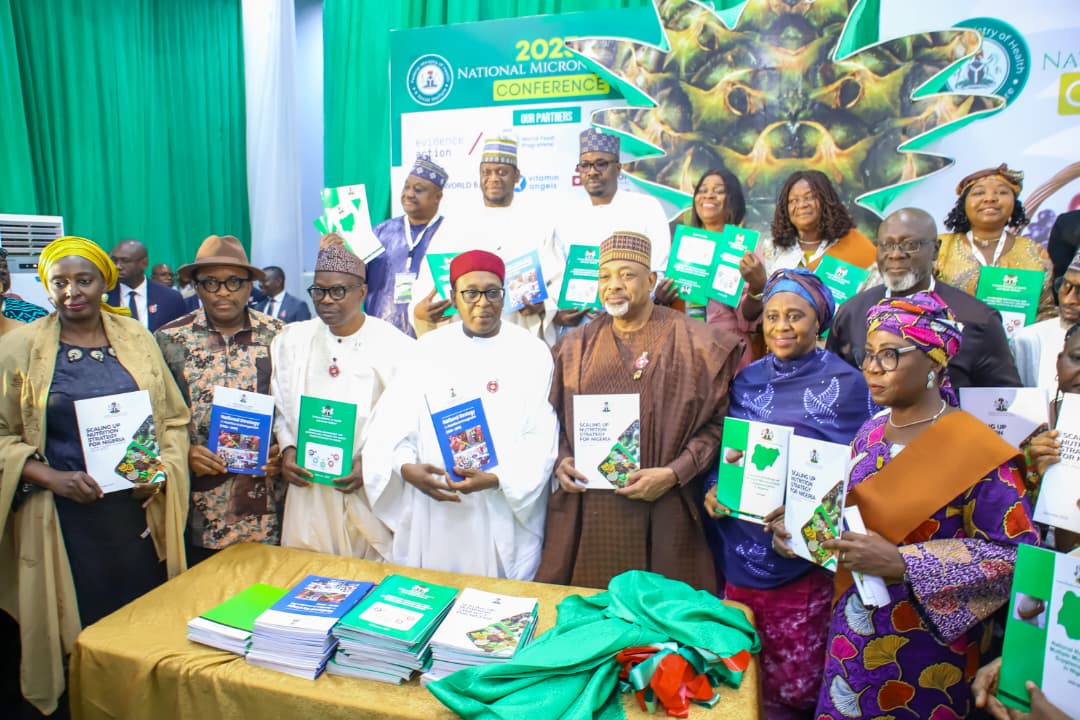
The Federal Government also launched key strategic documents, including the Roadmap for Scaling Multiple Micronutrient Supplementation (2025–2029), the Micronutrient Supplementation Landscape Analysis Report, Nutrition in Emergencies Strategy, and the Knowledge Management and Learning Strategy, aimed at guiding implementation and accountability.
The government assured Nigerians of its unwavering commitment to strengthening nutrition systems to safeguard health, improve productivity, and build a healthier, well-nourished nation.