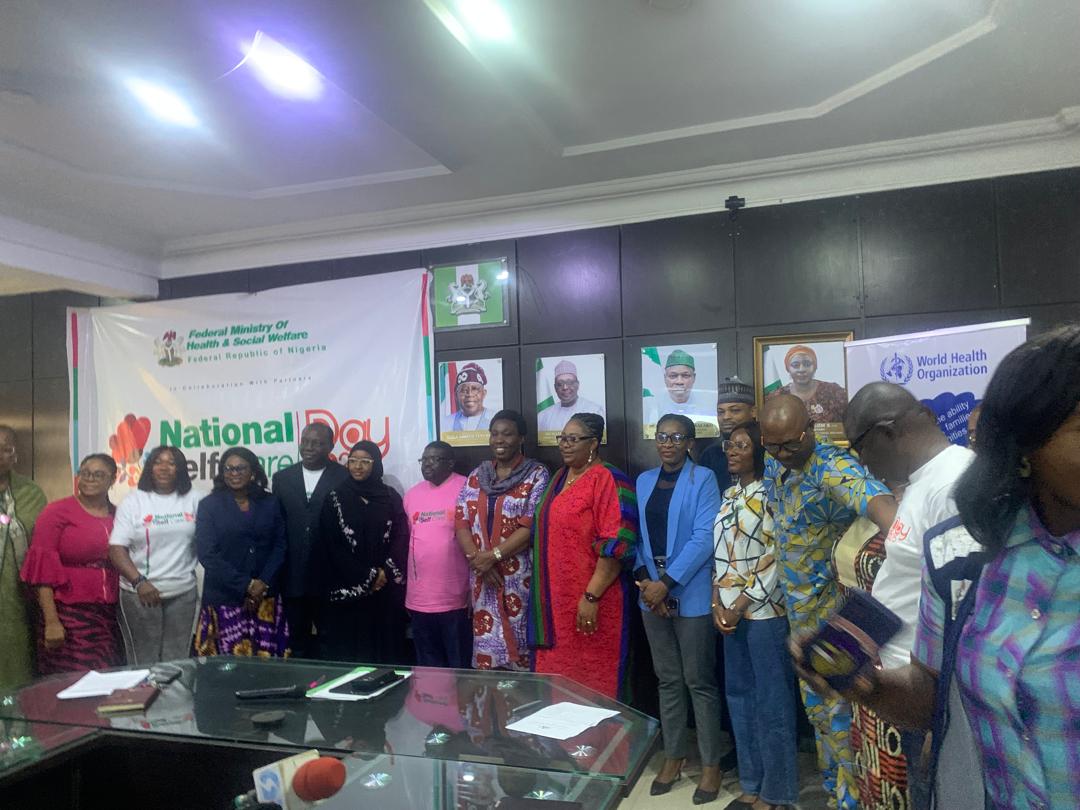
The Federal Government has officially launched Nigeria’s maiden National Self-Care Day, urging Nigerians to take greater responsibility for their health and well-being through simple, everyday practices that support personal wellness and reduce pressure on the healthcare system.
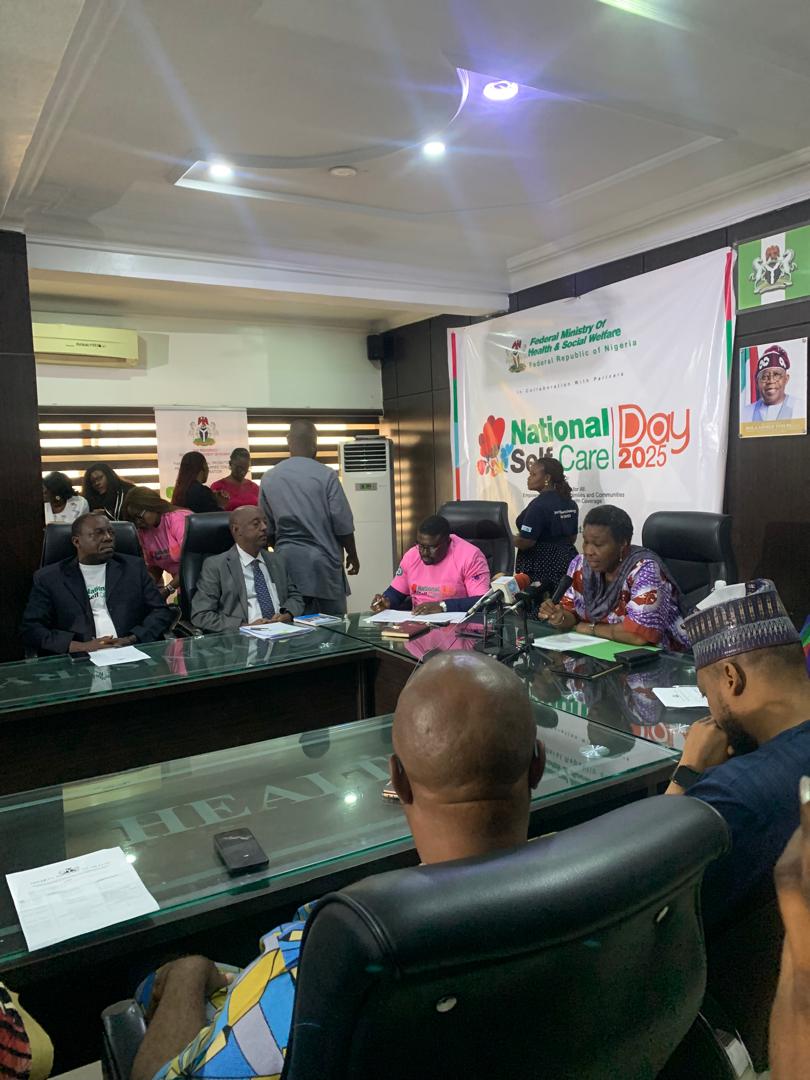
Speaking at a ministerial press briefing in Abuja, the Coordinating Minister of Health and Social Welfare, Professor Muhammad Ali Pate, described self-care as a necessity in the country’s pursuit of Universal Health Coverage (UHC). He emphasized that health transformation cannot rely solely on clinics and hospitals but must also involve proactive choices by individuals, families, and communities.
In a statement delivered on his behalf by Pharmacist (Mrs) Olubunmi Aribeana, Director of Food and Drugs Services at the Ministry, the Minister stated that self-care extended beyond medication or diet and involved intentional daily actions to promote physical, mental, emotional, and social well-being.
The theme for the commemoration, “Self-care: Empowering Individuals, Families and Communities for Universal Health Coverage,” with the slogan “Prevent, Protect, Empower,” captured the essence of the national strategy. To support the initiative, the government unveiled policy guidelines and strategies aimed at encouraging self-care, particularly in underserved communities.
Professor Pate noted that Nigeria’s adoption of July 24, which aligned with International Self-Care Day, is a commitment to integrating self-care into public health efforts and empowering citizens with the tools and knowledge to manage their own health effectively.
In her welcome remarks, Dr. Binyerem Ukaire, Director of the Family Health Department, highlighted the importance of prevention, protection, and empowerment in Nigeria’s evolving healthcare agenda. She stressed that healthcare is not just about treatment, but about giving people the tools to make informed health choices.
Dr. Muyi Aina, Executive Director of the National Primary Health Care Development Agency (NPHCDA), represented by Aisha Ibrahim Jalingo, said the observance reflects the transformative power of self-care and reaffirmed the agency’s commitment to integrating it into primary healthcare services across the country.
Dr. Alex Garasira, Acting WHO Country Representative, noted that self-care is increasingly relevant, especially in the face of healthcare worker shortages and limited access to essential services in Nigeria and across Africa. He reaffirmed the World Health Organization’s support for Nigeria in integrating self-care into its national health system, describing it as a crucial step toward building more resilient communities.
As Nigeria mark this milestone, health officials and stakeholders expressed hope that National Self-Care Day will foster a culture of responsible and proactive health behavior at both individual and community levels.