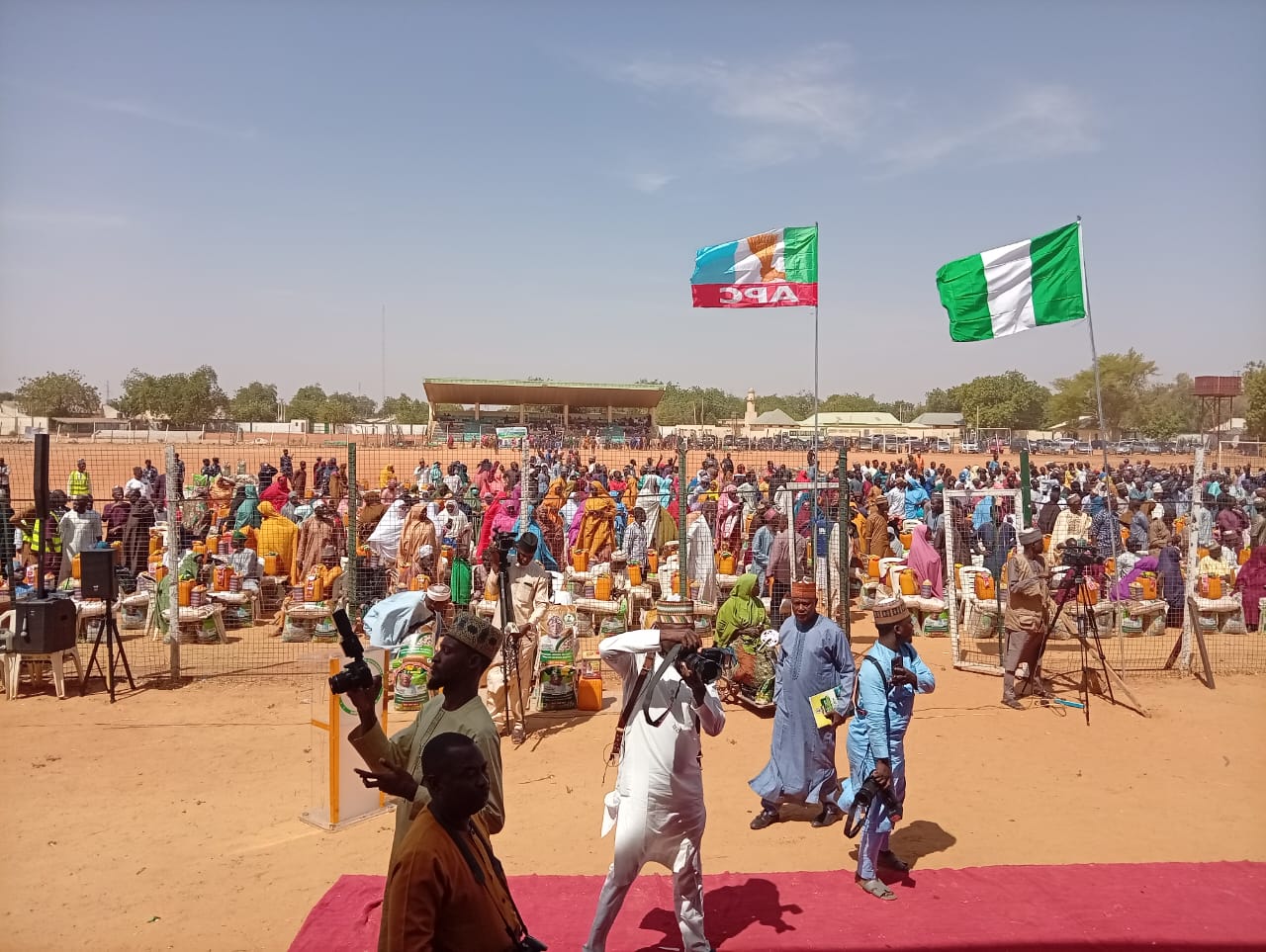
The Federal Government has commenced the distribution of Presidential Emergency Food and Nutrition Items in Kebbi State, a strategic move to tackle rising food insecurity and support vulnerable communities. The flag-off ceremony was held at the Haliru Abdu Multi-Purpose Stadium, Birnin Kebbi.
Speaking at the event, Dr. Yusuf Tanko Sununu, Minister of State for Humanitarian Affairs and Poverty Reduction, said the initiative reflected President Bola Ahmed Tinubu’s proactive measures to address projections that over 35 million Nigerians could face food insecurity. He highlighted that the programme aimed to cushion the effects of economic hardship, climate-related challenges, flooding, and reductions in international humanitarian funding.
Dr. Sununu explained that Kebbi Central is the first phase of the distribution, with Kebbi North and South scheduled to follow. Beneficiaries received rice, beans, millet, cooking oil, fortified foods, seasoning, tomatoes, essential medicines, and nutrition supplies already delivered to health facilities for treating Severe Acute Malnutrition (SAM).
“The programme is not only about emergency relief; it is about restoring dignity, reinforcing social protection, and building long-term resilience,” Dr. Sununu said.
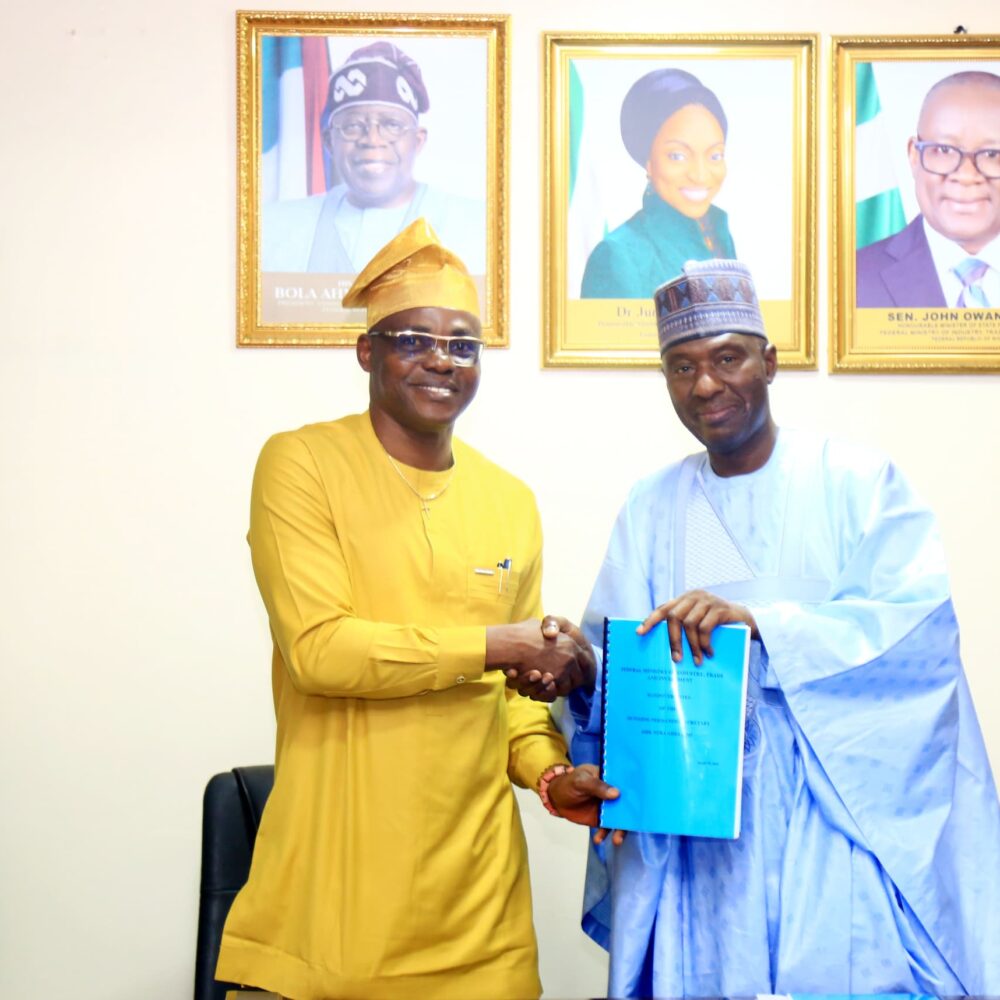
The Permanent Secretary of the Ministry, Mr. Olubunmi Olusanya, described the intervention as a compassionate response to worsening food insecurity in northern Nigeria, urging stakeholders to ensure transparency and fairness in the distribution.
Governor Nasir Idris of Kebbi State lauded the Federal Government for the humanitarian initiative, assuring that the state government would collaborate to guarantee that beneficiaries across all senatorial districts receive their allocations.
Dignitaries at the flag-off included the Deputy Governor, Sen. Umar Abubakar, OFR, the Chief Judge of Kebbi State, the Speaker of the State House of Assembly, and the Emir of Zuru, Mohammed Sanusi Mikalu Sami Gomo III.
The intervention is part of the Federal Government’s broader effort to protect vulnerable Nigerians from food insecurity while strengthening national social protection systems.