
The Federal Government has unveiled a new strategy to revive Nigeria’s once-thriving Cotton, Textile and Garment (CTG) industry through the establishment of integrated industrial parks aimed at rebuilding the sector’s entire value chain and boosting large-scale industrial growth.
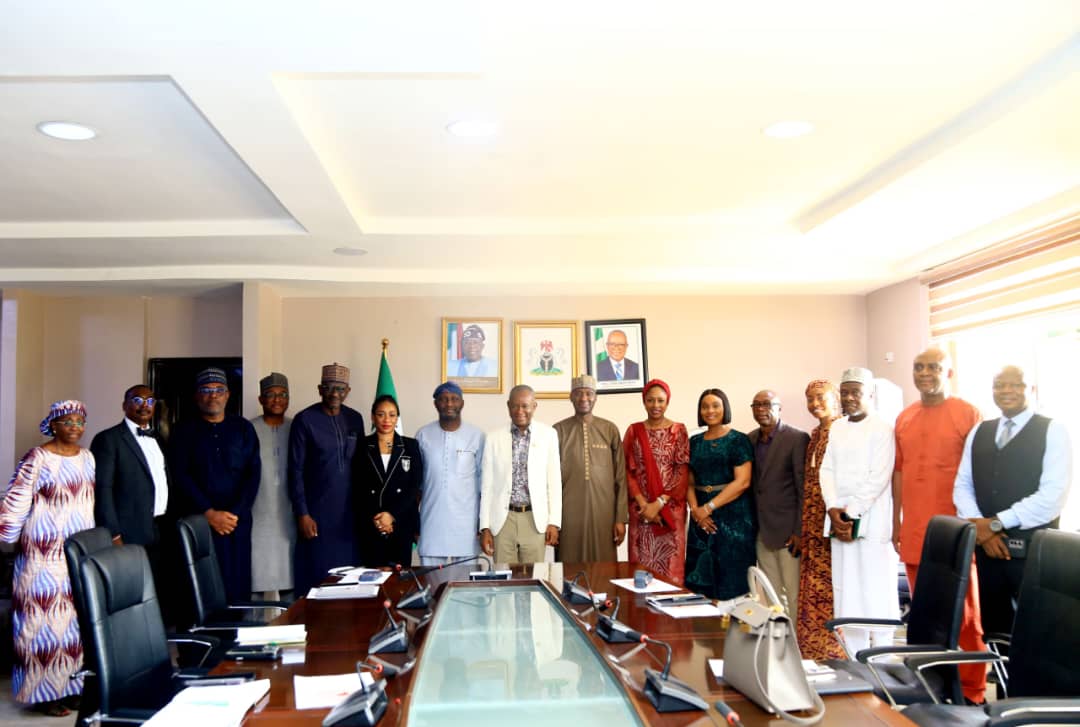
The initiative was discussed at a high-level meeting convened by the Minister of State for Industry, Senator John Owan Enoh, on Thursday in Abuja. The meeting brought together key development and financial institutions, including the Managing Director of the Bank of Industry, Dapo Olusi; Managing Director of the Nigerian Export-Import Bank, Abba Bello; and the Regional Director of the United Nations Industrial Development Organization (UNIDO), Philbert Johnson, alongside other public and private sector stakeholders.
Discussions at the meeting focused on the development of integrated CTG industrial parks that will connect all stages of production from cotton farming and ginning to textile manufacturing and garment production to create a more efficient and competitive industry.
The proposed initiative is expected to address longstanding challenges facing the sector, including fragmented production systems, infrastructure deficits and limited access to financing, which have constrained the industry’s growth over the years.
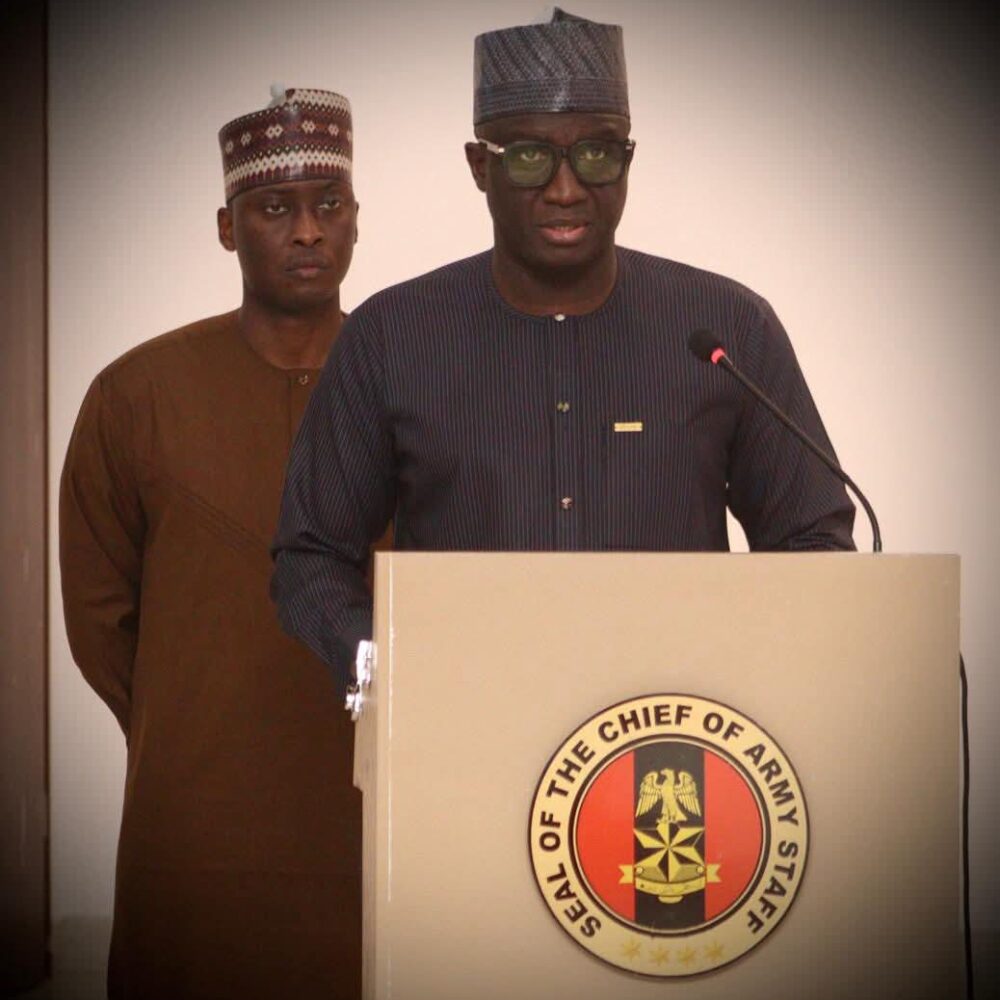
Speaking during the meeting, Enoh said the revival of the cotton, textile and garment sector was central to the Federal Government’s industrial development strategy.
He noted that the development of integrated industrial parks, supported by strong policies and well-structured project development frameworks, would help reposition the sector for sustainable growth.
According to him, the Federal Government is currently working on a comprehensive policy framework for the CTG industry, which will soon be presented to stakeholders for validation.
Stakeholders at the meeting also stressed the need to identify and support capable local manufacturers who can take advantage of government initiatives and meet rising demand generated by public sector procurement under the Nigeria First policy.
Olusi highlighted the importance of establishing financing structures capable of supporting the large-scale investments required to revive the textile and garment sector.
He said the industry requires long-term financing and strategic support to unlock investment opportunities and rebuild its competitiveness in the global market.
On his part, Bello pointed to the export potential of a revitalised textile industry, noting that strengthening the CTG value chain would not only meet domestic demand but also position Nigeria to expand textile exports across regional and international markets.
Participants also considered adopting a “brownfield approach,” which focuses on revitalising existing industrial facilities and infrastructure rather than building entirely new ones, a strategy expected to accelerate implementation and reduce costs.
Development partners at the meeting expressed strong support for the initiative and pledged technical expertise and investment backing.
Johnson reaffirmed UNIDO’s commitment to supporting Nigeria’s industrial transformation, noting that the revival of the CTG sector offers significant opportunities for sustainable industrial development and inclusive economic growth.
At the end of the meeting, stakeholders agreed to establish a collaborative working group comprising relevant government agencies, development finance institutions and private sector representatives to develop implementation strategies, coordinate financing mechanisms and guide the next phase of the initiative.
The Federal Government said the revival of the cotton, textile and garment sector remains a key component of Nigeria’s broader industrialisation agenda, with the potential to generate large-scale employment, stimulate rural economies, reduce import dependence and strengthen the country’s export competitiveness.