
The Federal Government has reiterated its determination to deepen diplomatic cooperation with Hungary and further modernise Nigeria’s digital visa processes to strengthen travel, trade, and security collaboration between both nations.
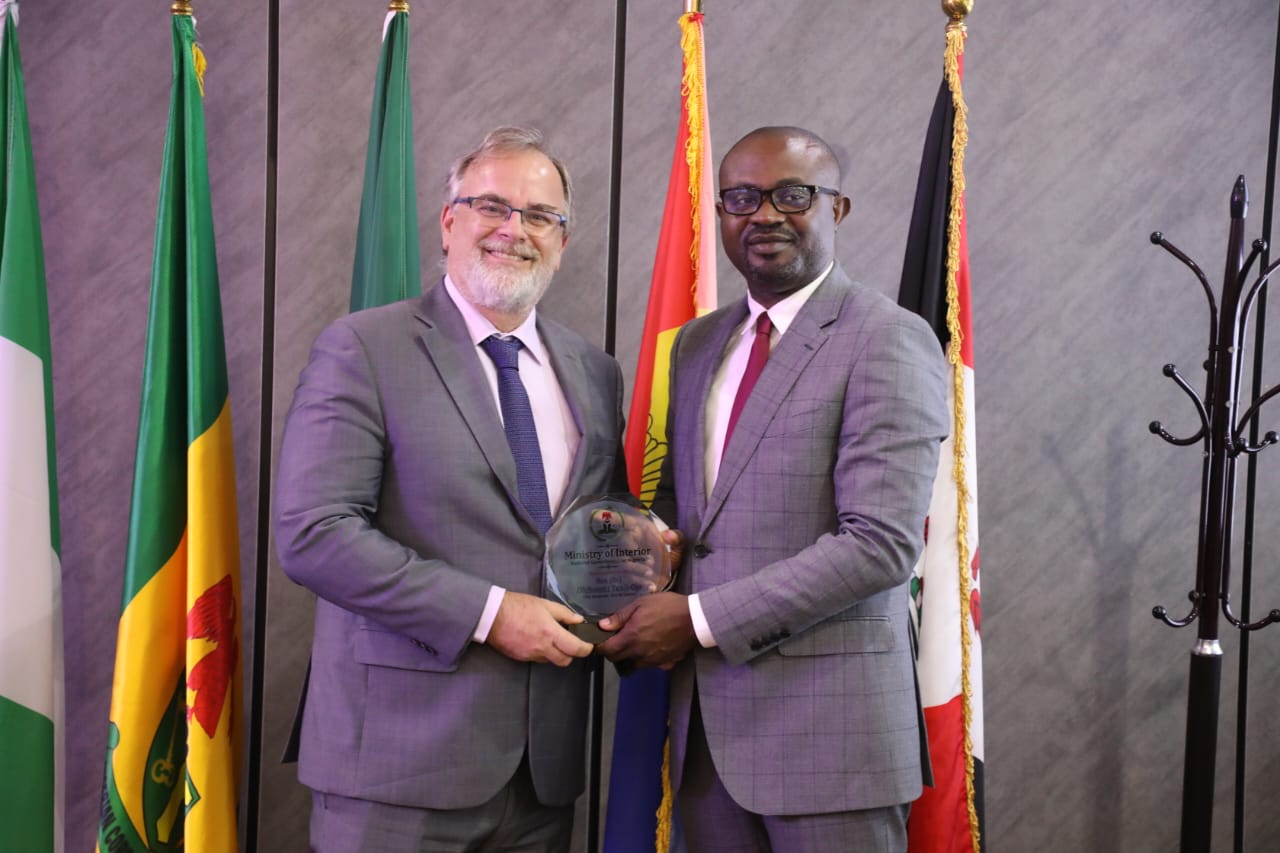
The Minister of Interior, Dr. Olubunmi Tunji-Ojo, stated this on Tuesday during a courtesy visit by the Hungarian Ambassador to Nigeria, Lorand Endreffy, at the Ministry’s headquarters in Abuja. The meeting was coming on the heels of the Minister’s recent official visit to Budapest, where both countries agreed to expand areas of bilateral engagement.
Dr. Tunji-Ojo assured the Ambassador that Nigeria will immediately review Hungary’s updated Memorandum of Understanding (MoU) covering border management, police training, and security technology, with internal procedures set to begin without delay.
He also addressed recent concerns over visa payment delays raised by Hungarian authorities. According to him, the Ministry is currently upgrading its online payment architecture to support a fully digitised visa platform.
“Our system is being enhanced for end-to-end digital processing,” he said. “Payments are handled directly by government through two secured gateways, and we are considering adding a third to ensure greater reliability and eliminate downtime. We welcome your feedback it helps us improve and fine-tune the system.”
Highlighting Nigeria’s ongoing visa reforms, Dr. Tunji-Ojo emphasised the impact of the newly introduced Electronic Entry Visa (EEV), which enabled applicants globally to apply for and receive Nigerian visas without physically visiting any embassy.
“We now have a real-time dashboard that tracks every visa application worldwide,” he noted. “This enhances transparency, accountability, and efficiency key pillars of President Bola Ahmed Tinubu’s governance philosophy.”
In his remarks, Ambassador Endreffy commended Nigeria’s digital migration to an online visa regime, describing it as a major leap forward in providing seamless consular services. He praised the professionalism of immigration officers handling operations in Abuja and Budapest, adding that the Ministry’s improved real-time tracking system represents “a wonderful upgrade in Nigeria’s global visa administration.”
The Ambassador further expressed Hungary’s readiness to deepen cooperation in critical areas such as security, border control, and capacity building. He reaffirmed that both nations stand to gain significantly from enhanced collaboration.
Tunji-Ojo concluded that Nigeria remains committed to streamlining its visa procedures to attract investment, facilitate legitimate migration, and position the country as a modern and globally competitive destination.
“Our goal is simple: to make Nigeria more open, efficient, and globally competitive. We will continue to improve our visa systems to facilitate travel, trade, and migration,” he said.