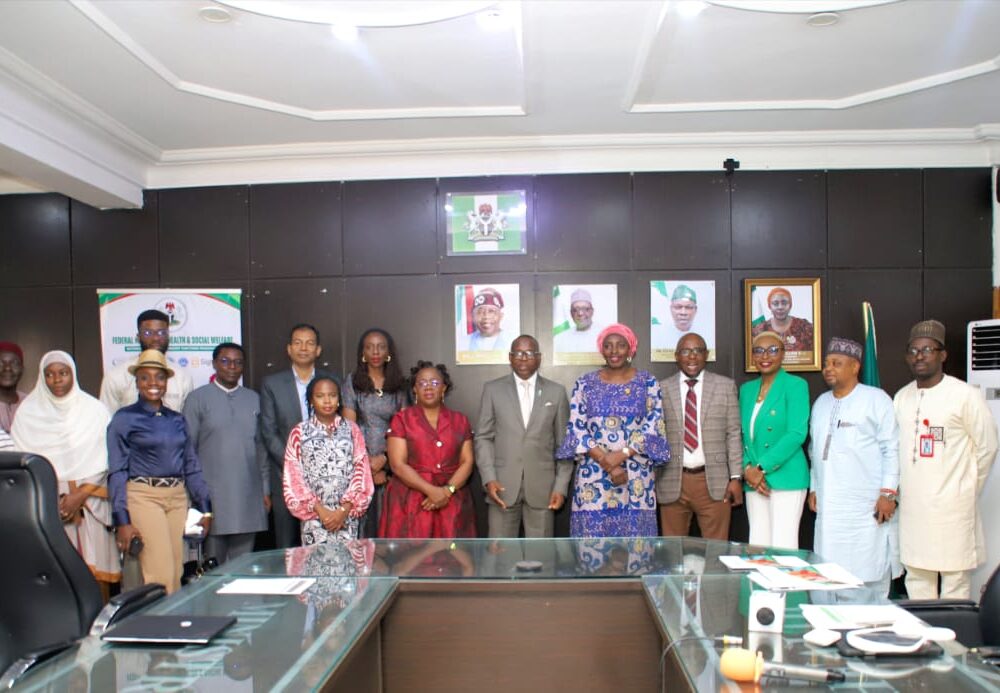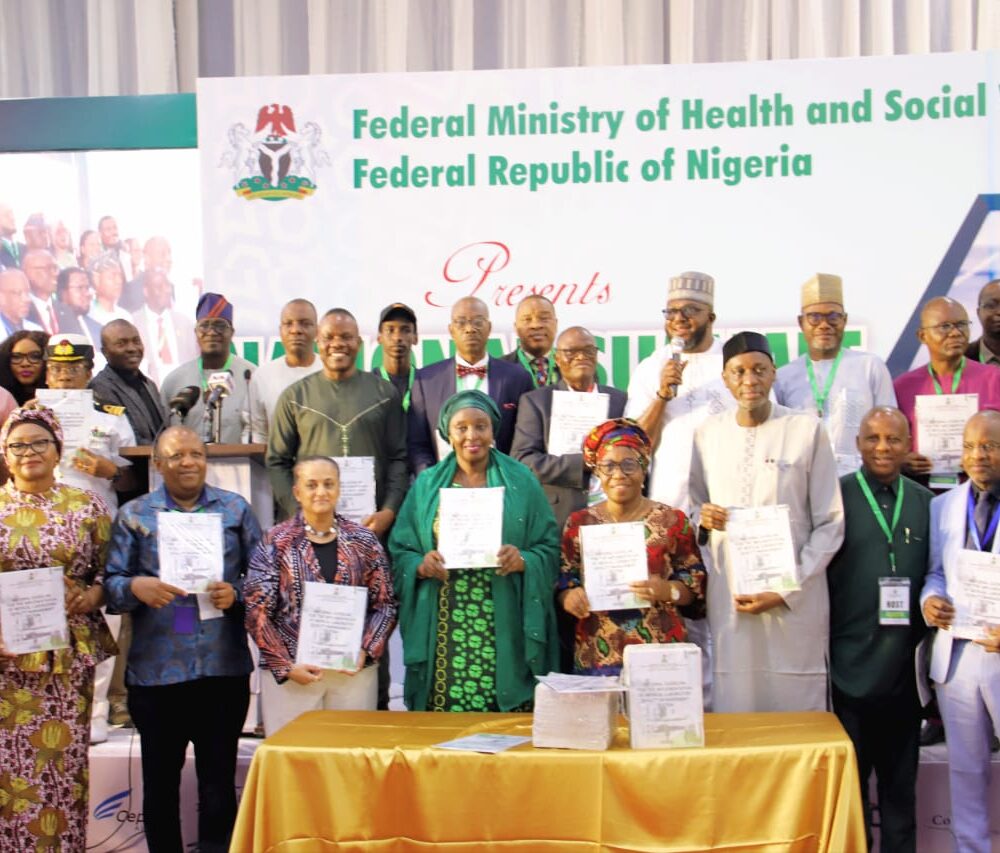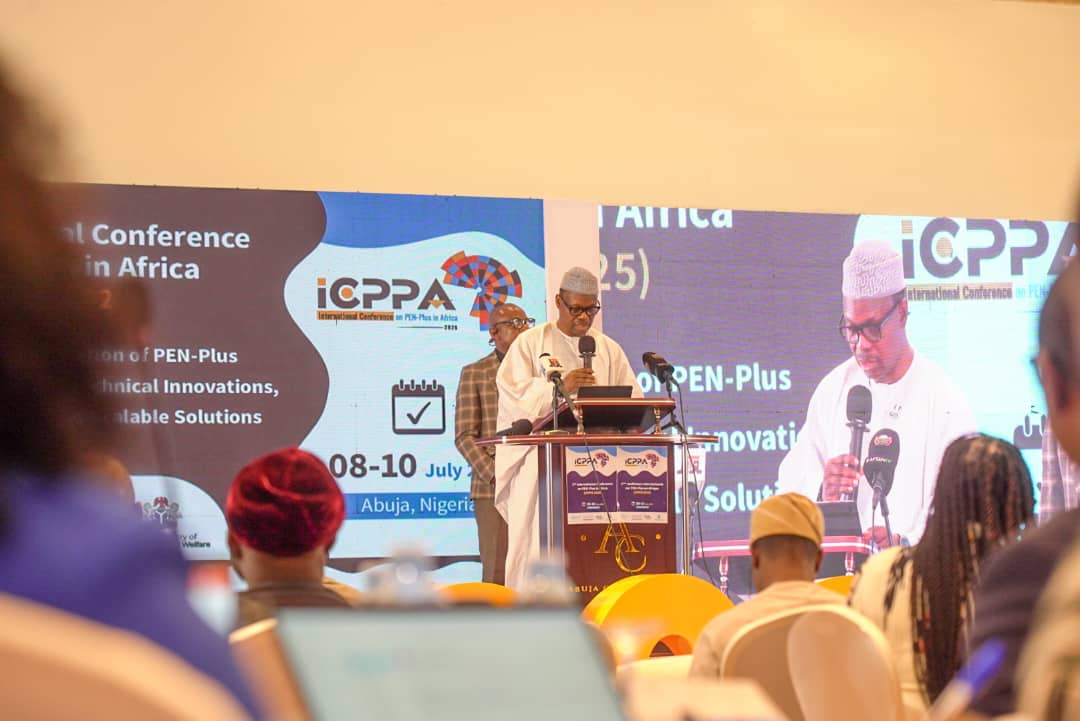
The Federal Government of Nigeria has reaffirmed its strong commitment to combating the rising burden of severe non-communicable diseases (NCDs) during the 2nd International Conference on PEN-Plus in Africa (ICPPA 2025), hosted in Abuja from July 8 to 10.
In his keynote address, the Honourable Minister of State for Health and Social Welfare, Dr. Iziaq Adekunle Salako, emphasized the urgent need to tackle severe NCDs, including Type 1 Diabetes Mellitus, Sickle Cell Disease, and Rheumatic Heart Disease, through the PEN-Plus strategy. This initiative, supported by the World Health Organization (WHO), aim to improve access to life-saving care at the primary healthcare level. Dr. Salako noted that NCDs are responsible for 24-30% of deaths in Nigeria, particularly affecting individuals in their productive years.
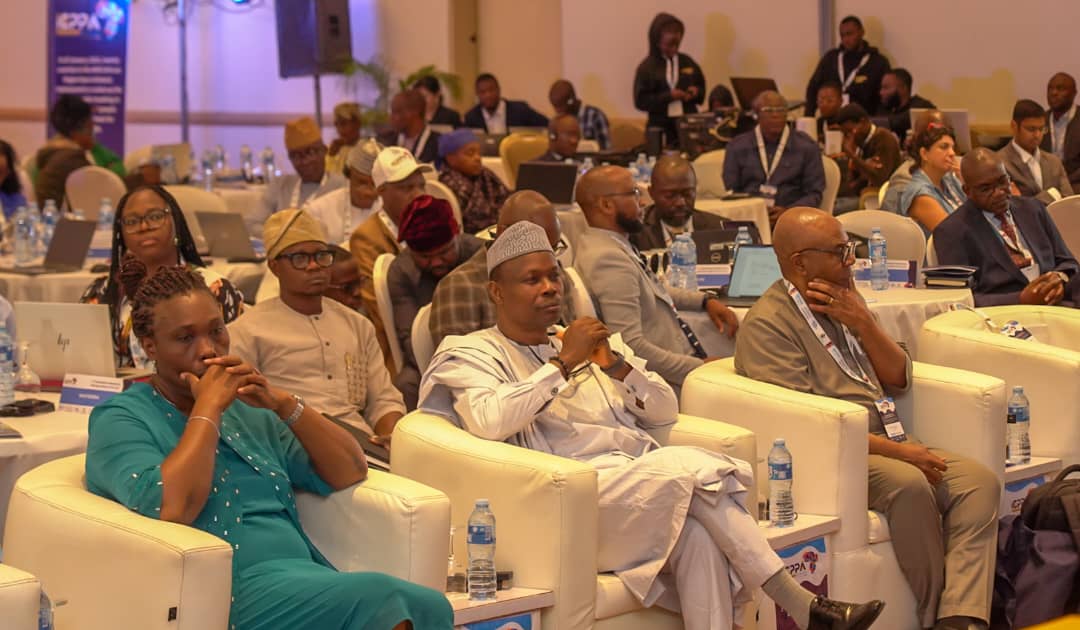
Dr. Salako highlighted the government’s response through various policy actions, such as the National Policy and Strategic Plan for NCD prevention, task-shifting policies, and the Nigeria Essential Package of NCDs (N-PEN) at the primary healthcare level. “Africa must rise to tackle the NCD burden not just as a health issue, but as a matter of human security, economic progress, and sustainable development,” he said, aligning the strategy with President Bola Ahmed Tinubu’s Renewed Hope Agenda, which prioritizes health as a human right.
In her welcome address, Permanent Secretary, Daju Kachallom represented by Pharmacist Pharmacist Olubunmi Aribeana, Director of the Food & Drugs Services Department of the Ministry, reaffirmed the government’s dedication to reducing the impact of NCDs, particularly among children and adolescents. “Every child with Type 1 Diabetes deserves insulin. Every adolescent with Sickle Cell Disease deserves comprehensive care. Every rural clinic must be empowered to manage complex NCDs,” she asserted.
Dr. Alex Gasasira, Acting WHO Representative in Nigeria, commended the Federal Government’s leadership and collaboration in hosting the conference. He emphasized WHO’s commitment to supporting PEN-Plus implementation and appreciated the excellent coordination by the Federal Ministry of Health. He also introduced a video message from the WHO Regional Director for Africa, Prof. Mohamed Yacoub Janabi, who praised Nigeria’s leadership in the fight against NCDs.
Prof. Janabi, in his virtual address, acknowledged Nigeria’s significant efforts in addressing NCDs, including the launch of the national multisectoral action plan in 2019. He stressed the importance of scaling PEN-Plus services across all African nations to improve care for those most affected by NCDs.
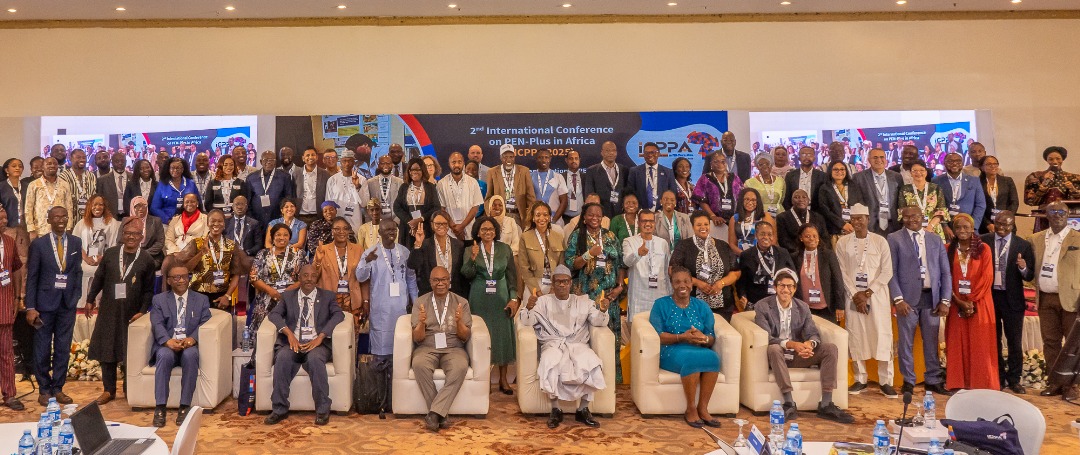
The conference brought together NCD focal points from African ministries of health, development partners, civil society, donors, and private sector stakeholders to share best practices and collaborate on improving access to NCD care. Participants emphasized the need for increased funding, stronger partnerships, and quicker implementation of scalable solutions like PEN-Plus.
In his vote of thanks, the Director of the Public Health Department at the Federal Ministry of Health expressed gratitude to WHO and the sponsors for their support in hosting the conference. He expressed hope that the discussions and outcomes of the conference will strengthen efforts to reduce morbidity and mortality related to NCDs across Africa.