
The Federal Ministry of Health and Social Welfare has charged the newly appointed Registrar of the Radiographers Registration Board of Nigeria (RRBN), Idris Garba, to prioritise the digitalisation of the profession and intensify efforts to eliminate quackery in radiographic practice across the country.
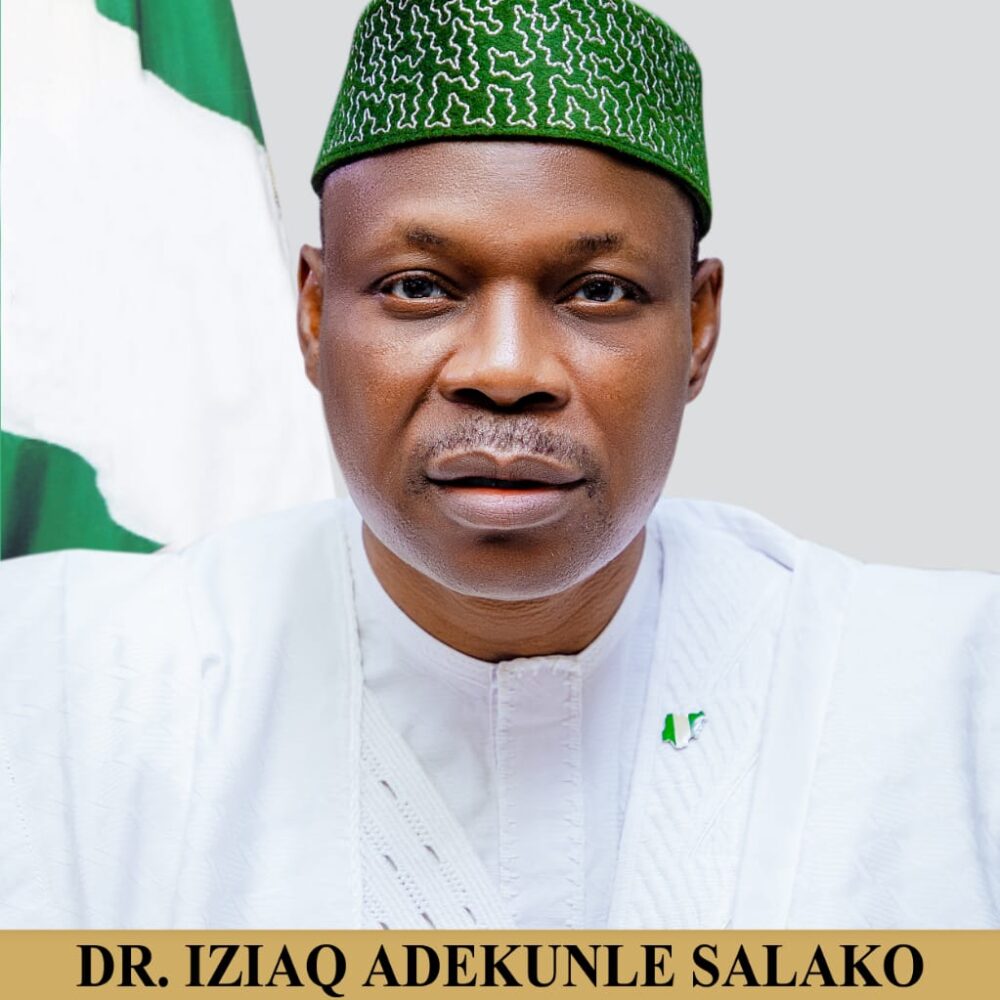
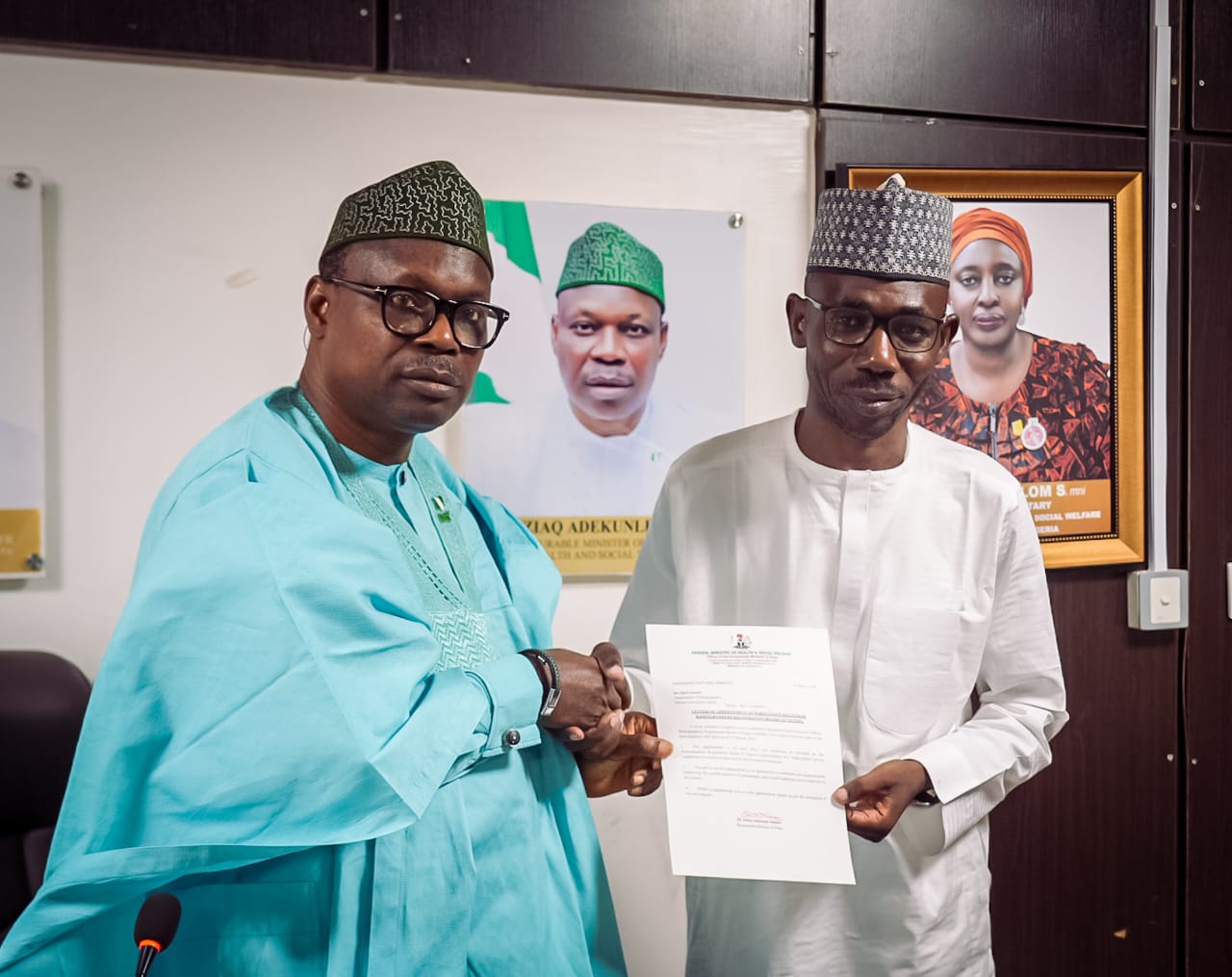
The directive was given by the Minister of State for Health and Social Welfare, Iziaq Adekunle Salako, while presenting the letter of appointment to the new registrar in Abuja.
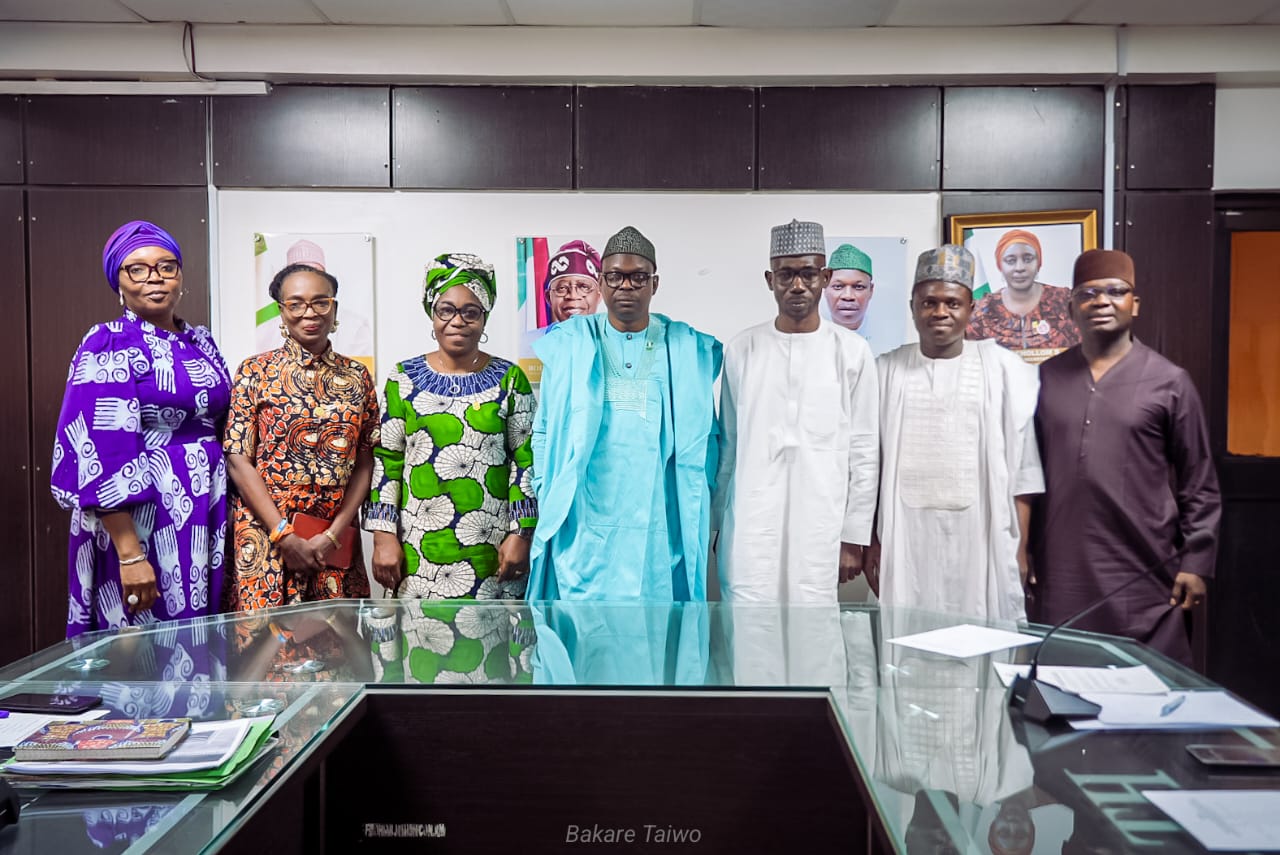
Salako emphasised that digitalising the profession was critical to improving healthcare delivery, noting that the initiative would provide an efficient way to identify radiographers practising within and outside Nigeria, as well as distinguish between licensed professionals and unregistered practitioners.
He also urged the registrar to enforce professional ethics and take decisive steps to rid the profession of quacks.
“And your ethical conduct and the way you enforce the ethics of the profession is very important. We also want you to take the issue of quackery very seriously and deploy your resources to flush out unqualified practitioners from radiographic practice in the country,” the minister said.
Salako commended members of the panel that oversaw the rigorous and transparent selection process that produced Garba as registrar and expressed confidence in his ability to strengthen the board and contribute to the growth of the health sector.
He further advised the new registrar to sustain the achievements of his predecessor and ensure a harmonious relationship between professionals and their associations, noting that the board had faced criticisms in the past and must avoid actions that could undermine its progress.
Responding, Garba, a scholar from Bayero University Kano, expressed appreciation for the appointment and pledged to operate an open-door policy while building on the achievements of the outgoing registrar.
He said his administration would focus on strengthening the institution through digitalisation and ensuring that all radiography centres operating with technological equipment are staffed by qualified personnel.
According to him, establishing a comprehensive database of practising radiographers would be a key priority to effectively track and regulate activities in the profession.
“When you have data, you can track and manage the problem better. My first assignment is to work with the database available in the system, and if none exists, we will create one to ensure we know all radiographers practising within the country and the centres operating with technological equipment,” he said.
Garba added that his administration would work to strengthen the board, including its regional offices, and ensure that only qualified and licensed professionals are allowed to practise.
He also pledged to foster collaboration between the regulatory body and professional associations to advance the profession and address challenges such as quackery.
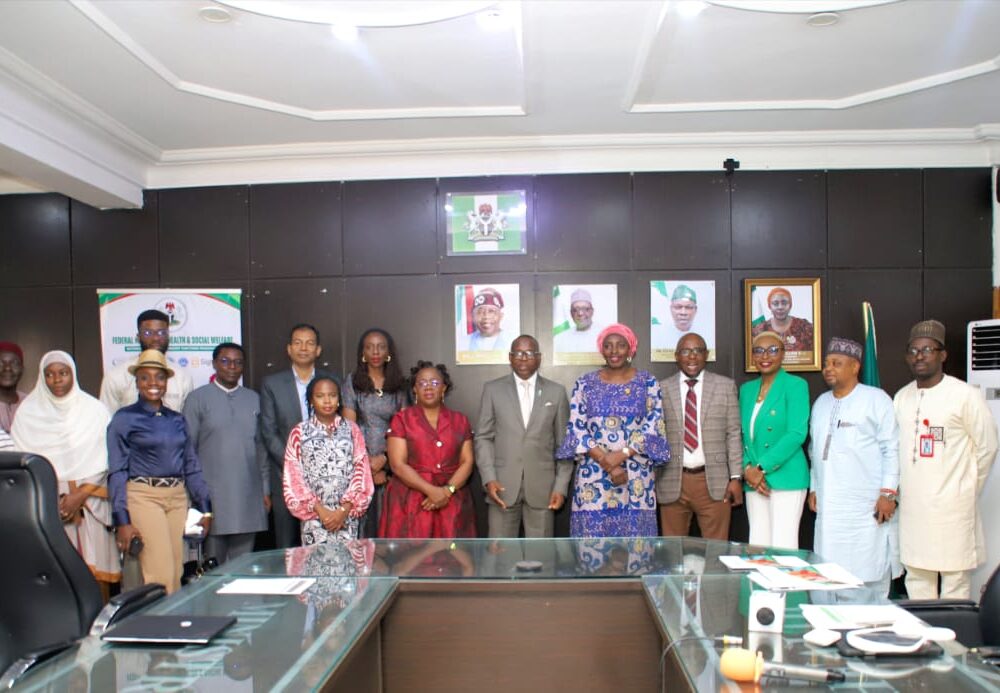
Earlier, the Permanent Secretary of the ministry, Daju Kachollom, who was represented by the Director of Hospital Services, Adeola Adegoke, commended the minister for ensuring a transparent and thorough process in the appointment of the new registrar, describing it as a demonstration of his commitment to proper governance in the health sector.