The Federal Government has unveiled two major national policy documents aimed at strengthening cancer prevention, early detection, diagnosis and treatment across Nigeria, as part of renewed efforts to curb the rising burden of the disease.
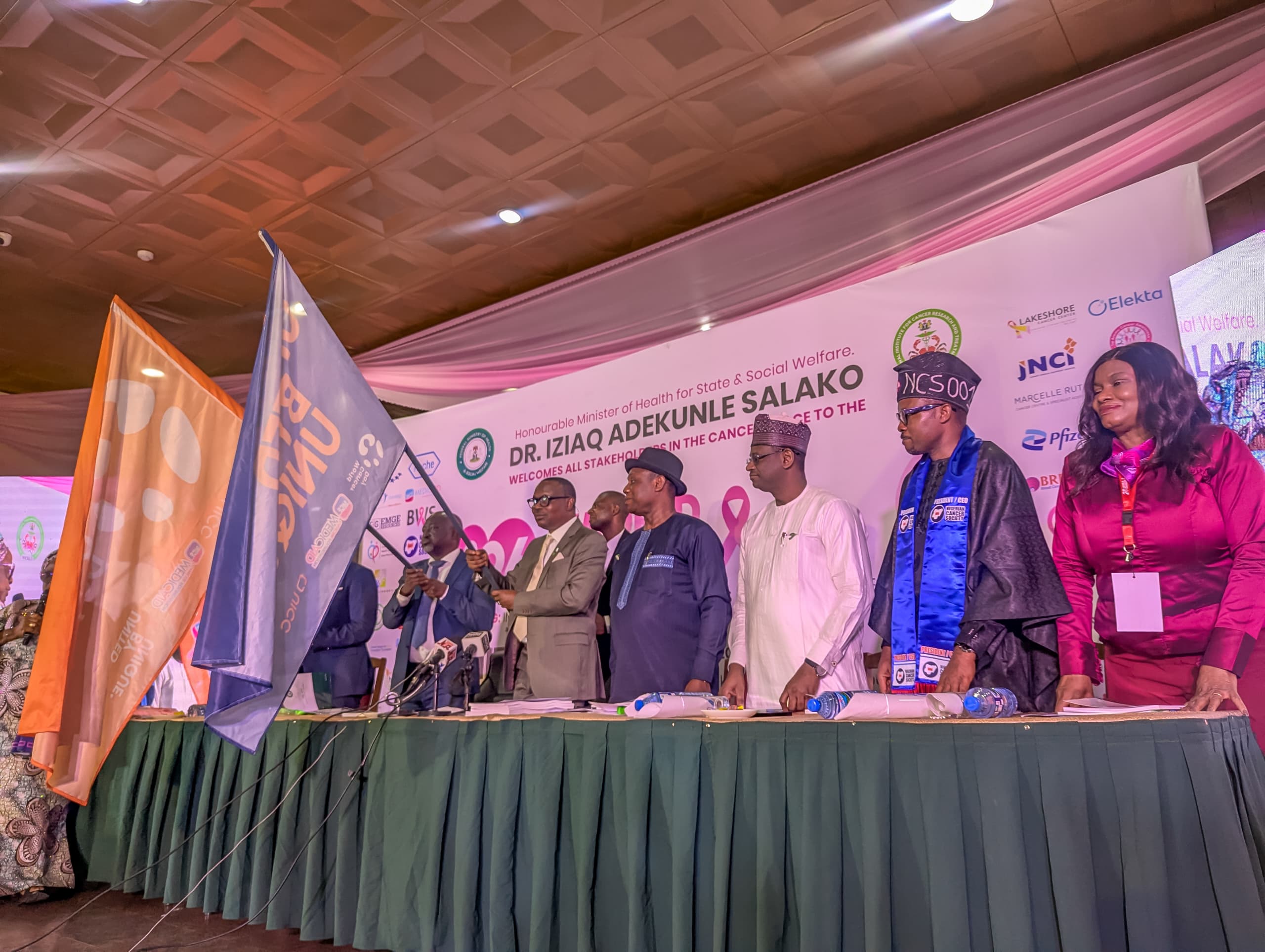
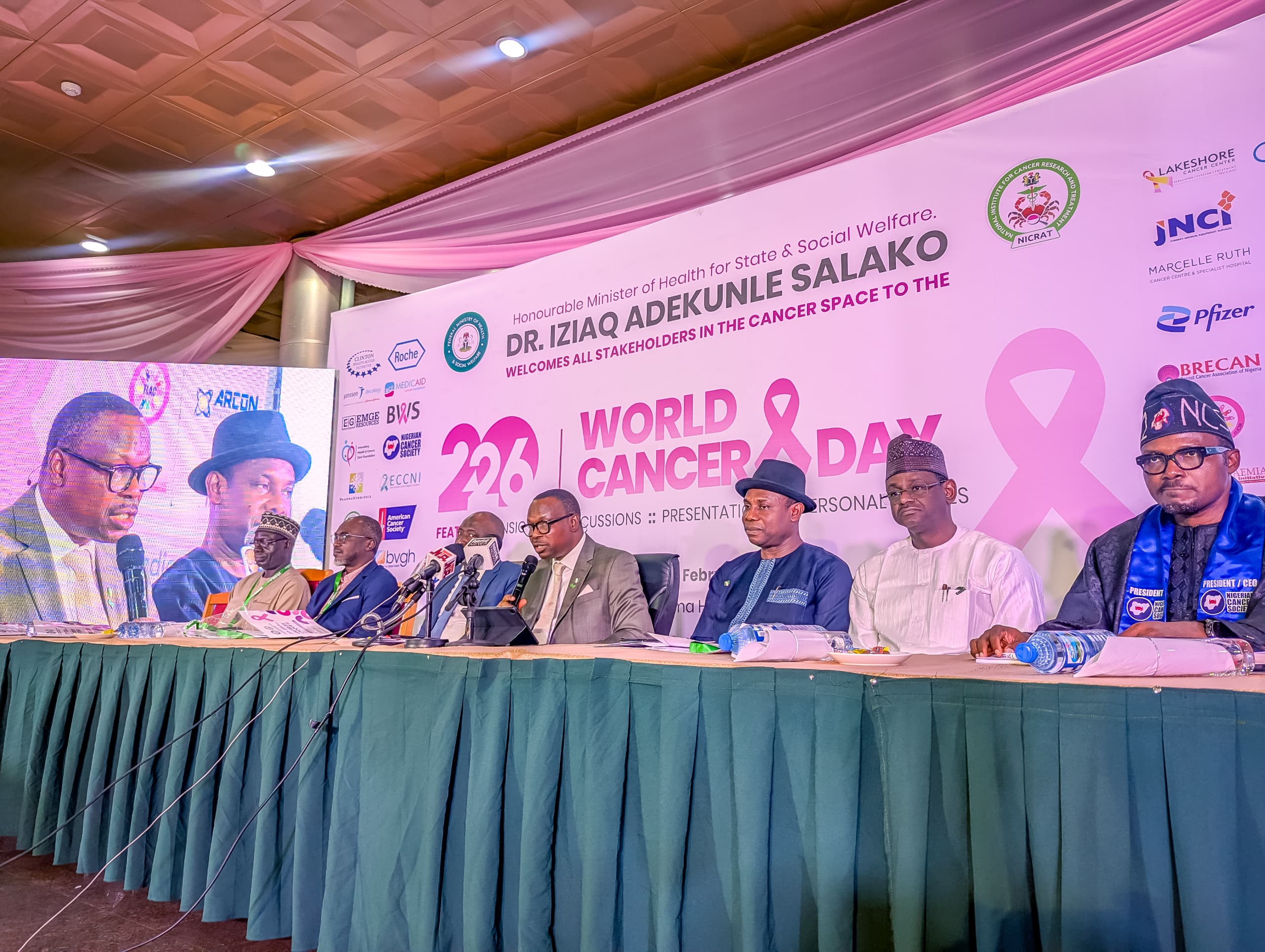
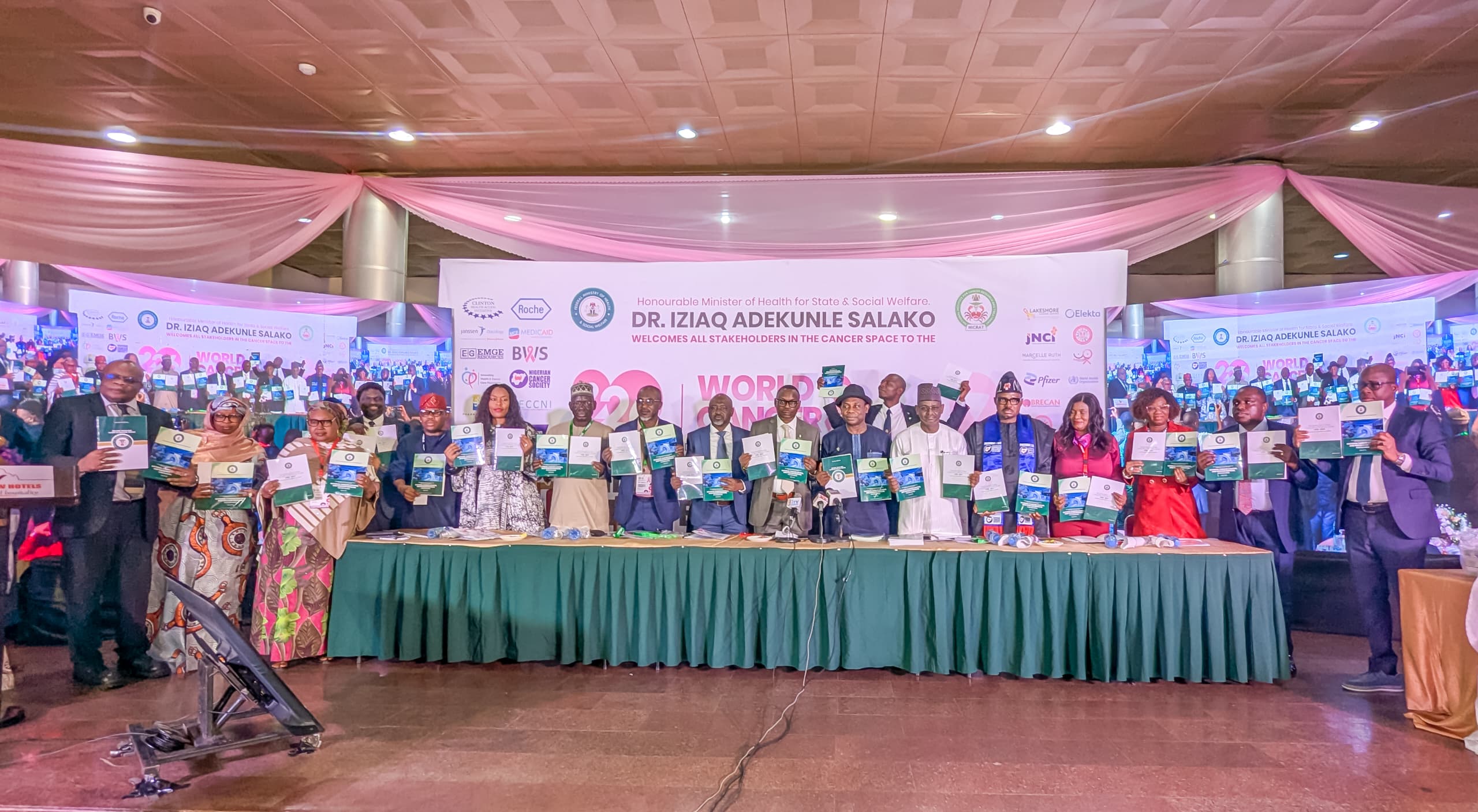
The policies – the National Nuclear Medicine Policy and Strategic Plan and the National Cancer Control Plan (NCCP) 2026–2030 were launched on Wednesday in Abuja by the Minister of State for Health and Social Welfare, Dr. Iziaq Adekunle Salako, during a ministerial briefing to mark the 2026 World Cancer Day.
Speaking at the event, Dr. Salako said the initiatives represent a major milestone in the implementation of President Bola Ahmed Tinubu’s Renewed Hope Agenda in the health sector, particularly in cancer care.
He noted that the current administration has made unprecedented investments in the health sector, especially in cancer management, within a short period in office.
According to the Minister, cancer remains one of the leading causes of death worldwide, with about 20 million new cases and over 10 million deaths recorded in 2025, while projections indicate that cases could rise above 30 million annually by 2050, especially in low- and middle-income countries.
Dr. Salako explained that the Federal Government is prioritising cancer prevention, noting that over 40 per cent of cancer-related deaths are linked to modifiable risk factors such as tobacco use, alcohol consumption, obesity, unhealthy diets and air pollution.
He said the Ministry is working with relevant agencies to reduce exposure to these risks, expand screening services and integrate cancer-preventive vaccines into the national immunisation programme.
The Minister further stated that the NCCP 2026–2030 provides a comprehensive framework for improving cancer risk assessment, prevention, screening, early detection, diagnosis, treatment, survivorship and palliative care, while also strengthening research, governance and sustainable financing.
He added that the plan promote the use of precision oncology and artificial intelligence to enhance diagnosis, treatment planning, research and cancer surveillance in line with global standards.
As part of efforts to expand access to early detection, Dr. Salako announced that eight preventive oncology clinics are now fully operational in federal tertiary health institutions nationwide, providing routine cancer screening services to Nigerians.
The clinics are located at the Federal Medical Centre, Abuja; FMC Ebute-Meta; University of Benin Teaching Hospital; University of Nigeria Teaching Hospital, Enugu; Usmanu Danfodio University Teaching Hospital, Sokoto; Federal Teaching Hospital, Gombe; Aminu Kano Teaching Hospital, Kano; and Obafemi Awolowo University Teaching Hospital, Ile-Ife.
He also disclosed that, in collaboration with the National Institute for Cancer Research and Treatment (NICRAT), the Federal Government will offer free cancer screening services nationwide throughout February, with programmes across the six geopolitical zones.
In her remarks, the Director and Head of the Hospital Services Department, Federal Ministry of Health and Social Welfare, Dr. Abisola Adegoke mni, represented by Dr. Okpikpi, said the commemoration of World Cancer Day provides an opportunity to strengthen awareness for early detection and prompt treatment.
Similarly, the Director-General of NICRAT, Professor Usman Malami Aliyu, said the institute is expanding cancer research capacity, improving population-based cancer registries and establishing national screening centres to strengthen Nigeria’s cancer response.
He stressed that early detection remains key to improving survival rates, adding that efforts are ongoing to shift cancer care from late-stage intervention to prevention and timely diagnosis.
The Federal Government reaffirmed its commitment to working with local and international partners, including the World Health Organization and global cancer institutions, to reduce cancer-related deaths and improve the quality of life of Nigerians living with cancer.