
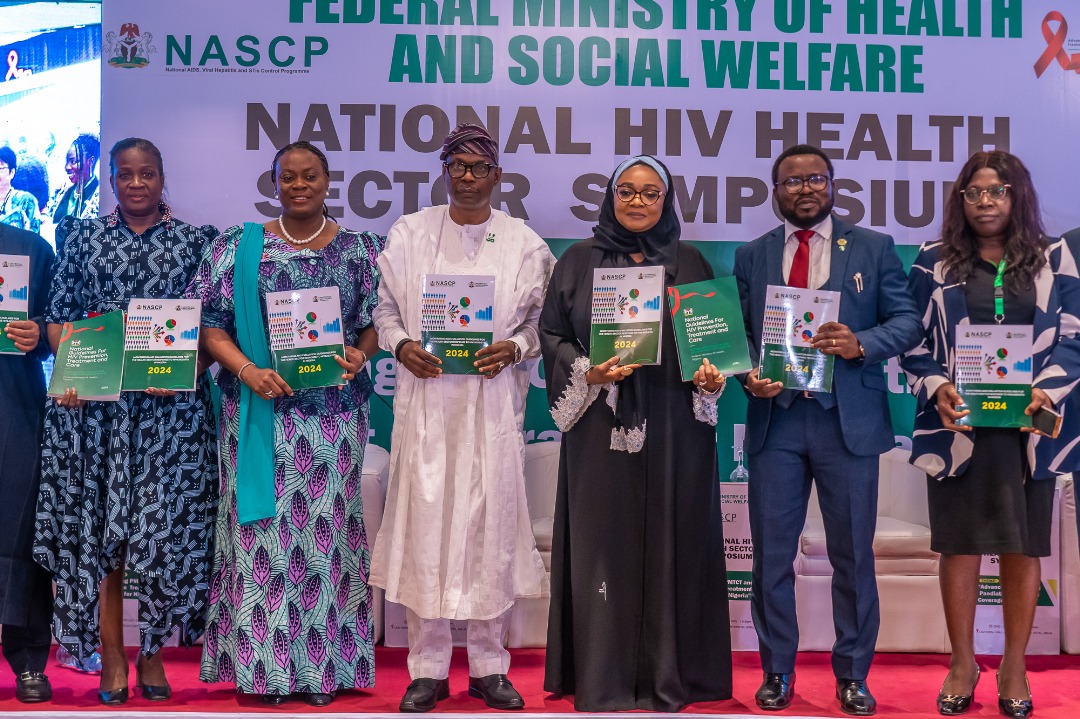
Nigeria has taken a bold step in its commitment to eliminate pediatric HIV with the launch of two national policy documents by the First Lady, Senator Oluremi Tinubu, at the National HIV Health Sector Symposium organised by the Federal Ministry of Health & Social Welfare FMOH, on Tuesday at the Abuja Continental Hotel.
The event, themed “Advancing PMTCT and Pediatric HIV Coverage in Nigeria,” brought together key players in the health sector to assess progress, address existing gaps, and mobilize unified efforts toward eliminating mother-to-child transmission (PMTCT) of HIV in the country.
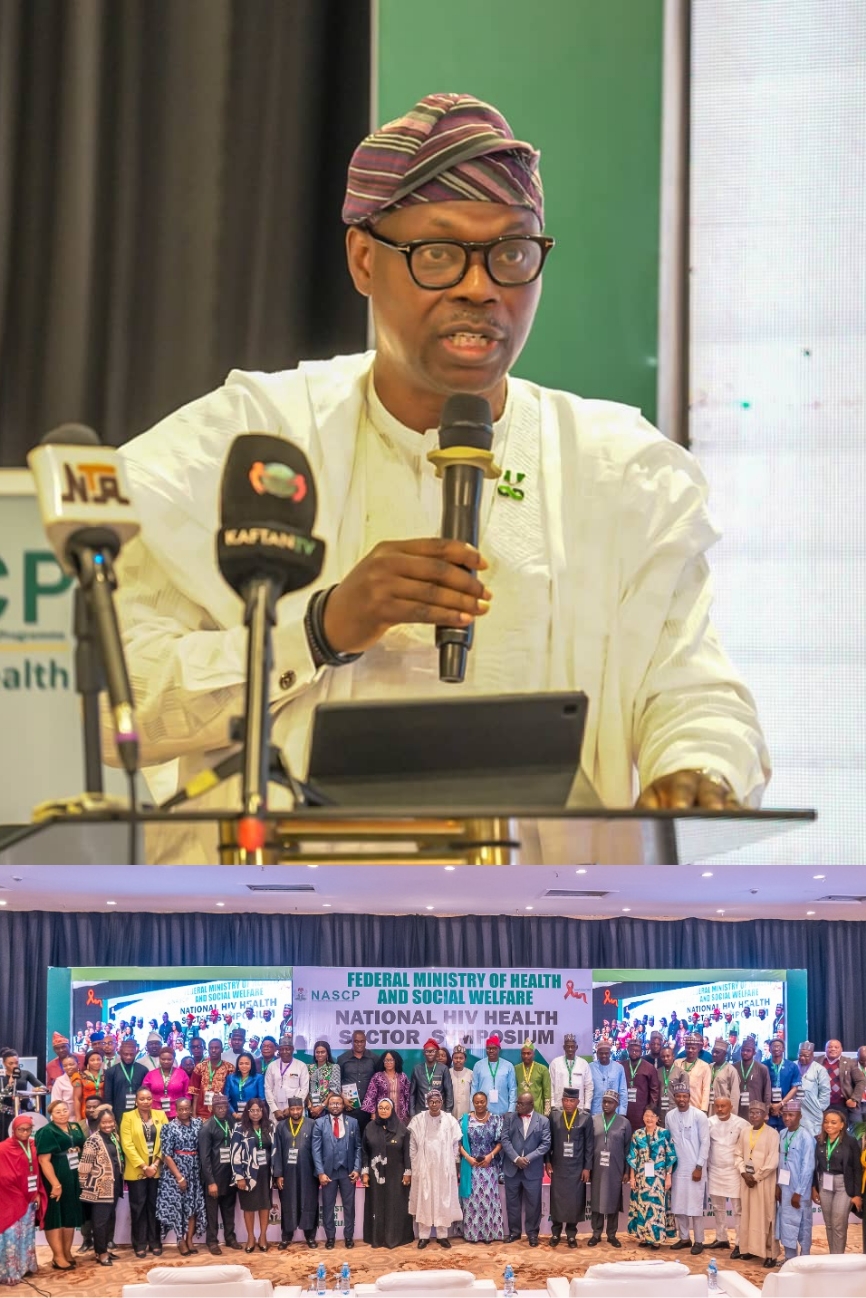
The First Lady, represented by the Minister of Women Affairs, Hajiya Imaan Suleiman-Ibrahim, reiterated her commitment to safeguarding maternal and child health. She highlighted the Free to Shine campaign, which she lead across Nigeria’s six geopolitical zones as part of the African First Ladies’ response to HIV under the Organization of African First Ladies for Development (OAFLAD).
She described the launch of the national policy documents as a milestone in Nigeria’s journey to end pediatric HIV, emphasizing the importance of integrating prevention, early diagnosis, and treatment in routine maternal and child healthcare services.
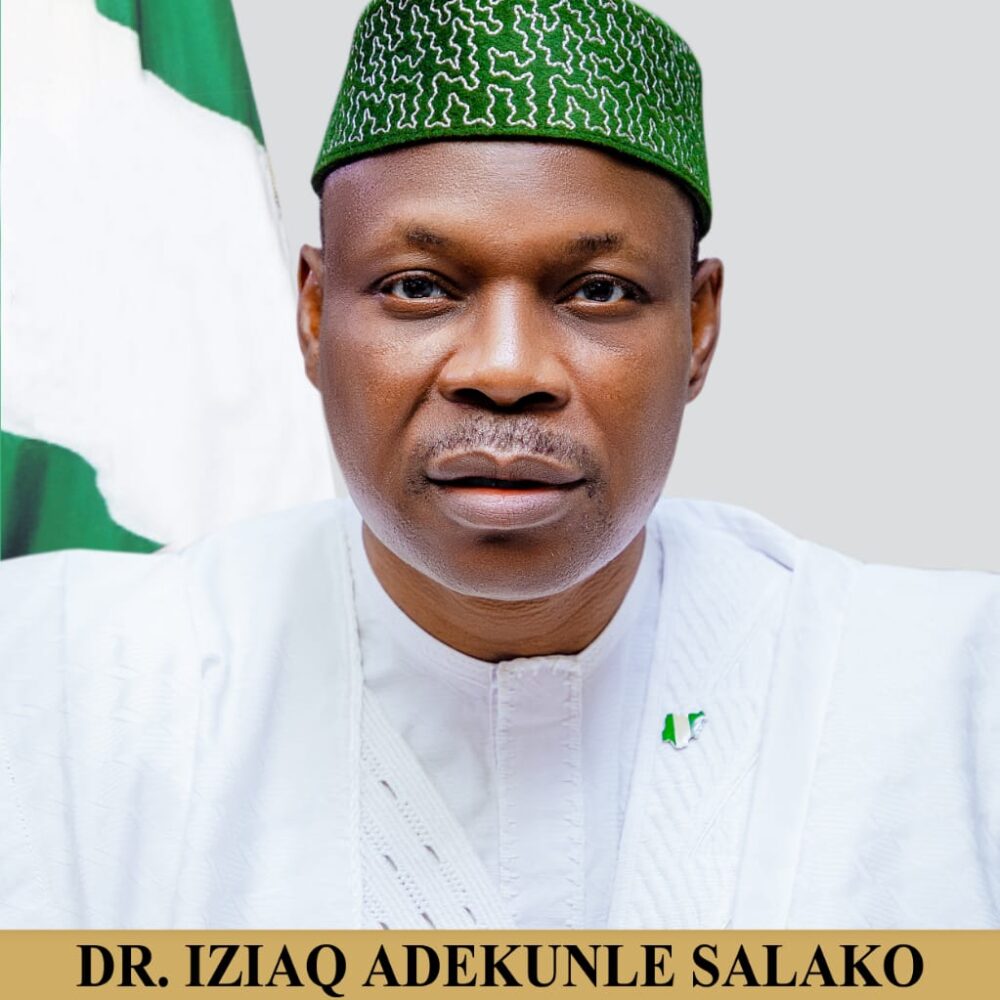
Delivering the keynote address on behalf of the Coordinating Minister of Health and Social Welfare, Prof. Muhammad Ali Pate, the Minister of State for Health and Social Welfare, Dr. Iziaq Adekunle Salako, reaffirmed Nigeria’s unwavering commitment to the fight against HIV/AIDS. Salako, who also represented Prof. Pate at the symposium, stated that Nigeria is making steady progress in PMTCT and pediatric HIV coverage, but more remains to be done.
He cited recent achievements, including a rise in PMTCT coverage to 66%, early infant diagnosis to 57%, and pediatric antiretroviral therapy (ART) coverage from 29% to 74% as of 2024.
“Despite these improvements, Nigeria still records more than 9,000 new pediatric HIV infections annually. This is a clear indication that we must intensify efforts. The state of emergency on PMTCT remains in effect until no Nigerian child is born with HIV,” Dr. Salako declared.
He acknowledged President Bola Ahmed Tinubu’s leadership in securing a $200 million emergency allocation for HIV, Malaria, and Tuberculosis in response to global funding cuts, describing it as a testament to the government’s commitment to sustainable financing and local ownership of health programmes.
Dr. Adebobola Bashorun, Director and National Coordinator of the National HIV/AIDS, Viral Hepatitis, and STIs Control Programme (NASCP), a special Programme Office in Public Health Department FMOH,said the gathering served to showcase Nigeria’s progress, evaluate gaps, and reinforce a national narrative built on results and resilience.
He announced the unveiling of two critical documents:
- The National Guidelines for the Testing, Treatment, and Management of HIV, Hepatitis, and Syphilis, and
- The National Monitoring and Evaluation Framework to guide implementation and performance tracking across HIV interventions.
In her remarks, Dr. Temitope Ilori, Director-General of the National Agency for the Control of AIDS (NACA), stressed the need for Nigeria to gradually reduce reliance on international donors and build a sustainable, country-led HIV response. She called for stronger coordination among all levels of government to ensure universal access to testing and treatment.
Also speaking at the event, Dr. Modupe Elendu, a Health Officer with UNICEF, commended Nigeria’s progress and pledged continued support from the UN system. She emphasized the need for efficient use of resources, innovative partnerships, and harmonized service delivery to bridge remaining gaps in PMTCT and pediatric HIV care.
State-level perspectives were shared by Katsina State Commissioner for Health, Honourable Musa Adamu, who spoke on behalf of Commissioners of Health across the country. He praised healthcare workers at the sub-national level for their tireless efforts and reaffirmed the states’ commitment to supporting national HIV targets.
Representatives of the Network of People Living with HIV/AIDS in Nigeria (NEPWHAN) also commended the federal government’s renewed efforts and expressed the readiness of affected communities to continue supporting and contributing to the national HIV response.
The symposium concluded with a strong call to action: to close service delivery gaps, dismantle stigma, increase awareness, and drive inclusive policies that prioritize the health of every child and mother in Nigeria.
“We are walking the talk under the Renewed Hope Agenda. With collective effort, we will end HIV/AIDS as a public health threat by 2030,” Dr. Salako assured.