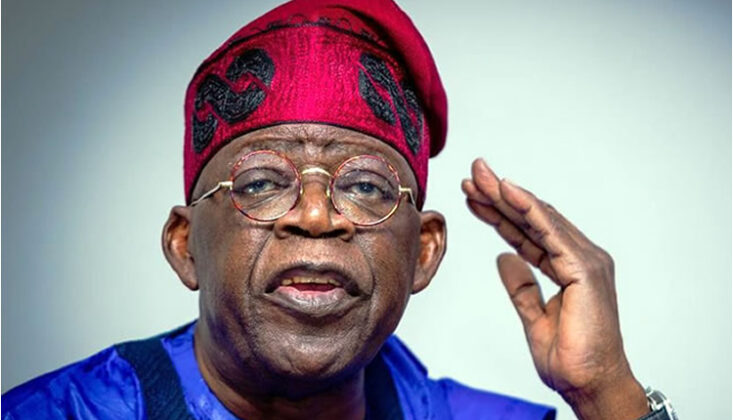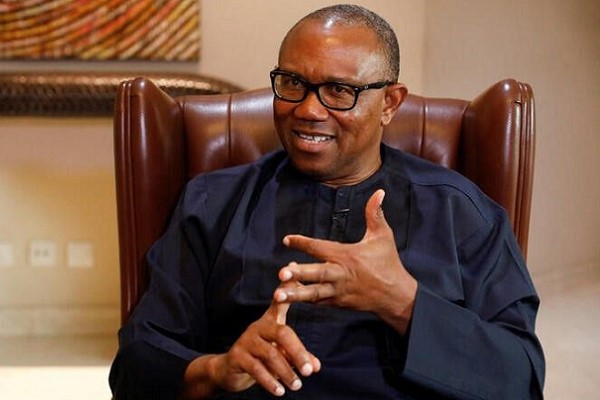
The Democratic Front (TDF) has criticised former Labour Party presidential candidate, Peter Obi, over his recent comments on rising fuel prices in Nigeria, describing his position as a reflection of “crass ignorance” of the global energy situation.
In a statement jointly signed by its Chairman, Mallam Danjuma Muhammad, and Secretary, Chief Wale Adedayo, the group said Obi’s remarks on the impact of the Middle East crisis on fuel prices were misleading and showed a poor understanding of global petroleum market dynamics.
TDF said it was not surprised that the former Anambra State governor quickly reacted to the issue, alleging that he often uses national challenges to criticise the administration of President Bola Ahmed Tinubu.
According to the group, Obi had claimed that Nigeria could have avoided the current rise in petroleum prices if the country maintained a strategic petroleum reserve. However, TDF argued that such a claim ignores global realities.
The group noted that several advanced economies with established strategic reserves are also experiencing significant fuel price increases despite their preparedness.
“It is instructive that the United States and many countries across Europe and Asia, which maintain large strategic petroleum reserves, are also affected by the current surge in global fuel prices. This clearly undermines Peter Obi’s narrative that such reserves would have insulated Nigeria from the current situation,” the statement said.
TDF also disputed Obi’s claim that Nigeria lacks any form of strategic petroleum reserve, citing the role of the Dangote Refinery in maintaining supply buffers.
According to the group, the refinery had about 500 million litres of petroleum in reserve as of March 1, 2026, to cushion supply disruptions in its operations. It added that the reserve had reportedly increased following disruptions to oil shipments after the Strait of Hormuz became difficult for tankers to access amid tensions in the Gulf region.
The group further argued that the primary purpose of strategic reserves extends beyond price stability to include supply disruptions, geopolitical pressures, external economic shocks, and broader energy security concerns.
TDF maintained that none of these conditions had severely affected Nigeria’s economy despite the current Middle East tensions.
It also attributed relative stability in fuel supply within Nigeria to policies of the Tinubu administration, including support for private refinery operations.
The group recalled that petrol prices had surged to about ₦1,450 per litre following the removal of fuel subsidy in 2023 but later declined to around ₦750 per litre in 2025 after improvements in domestic refining capacity.
While acknowledging that global developments in the Middle East are influencing fuel prices worldwide, TDF credited President Tinubu for ensuring stable fuel supply through the operationalisation of the Dangote Refinery, which it said has prevented shortages and long queues at filling stations across the country.