
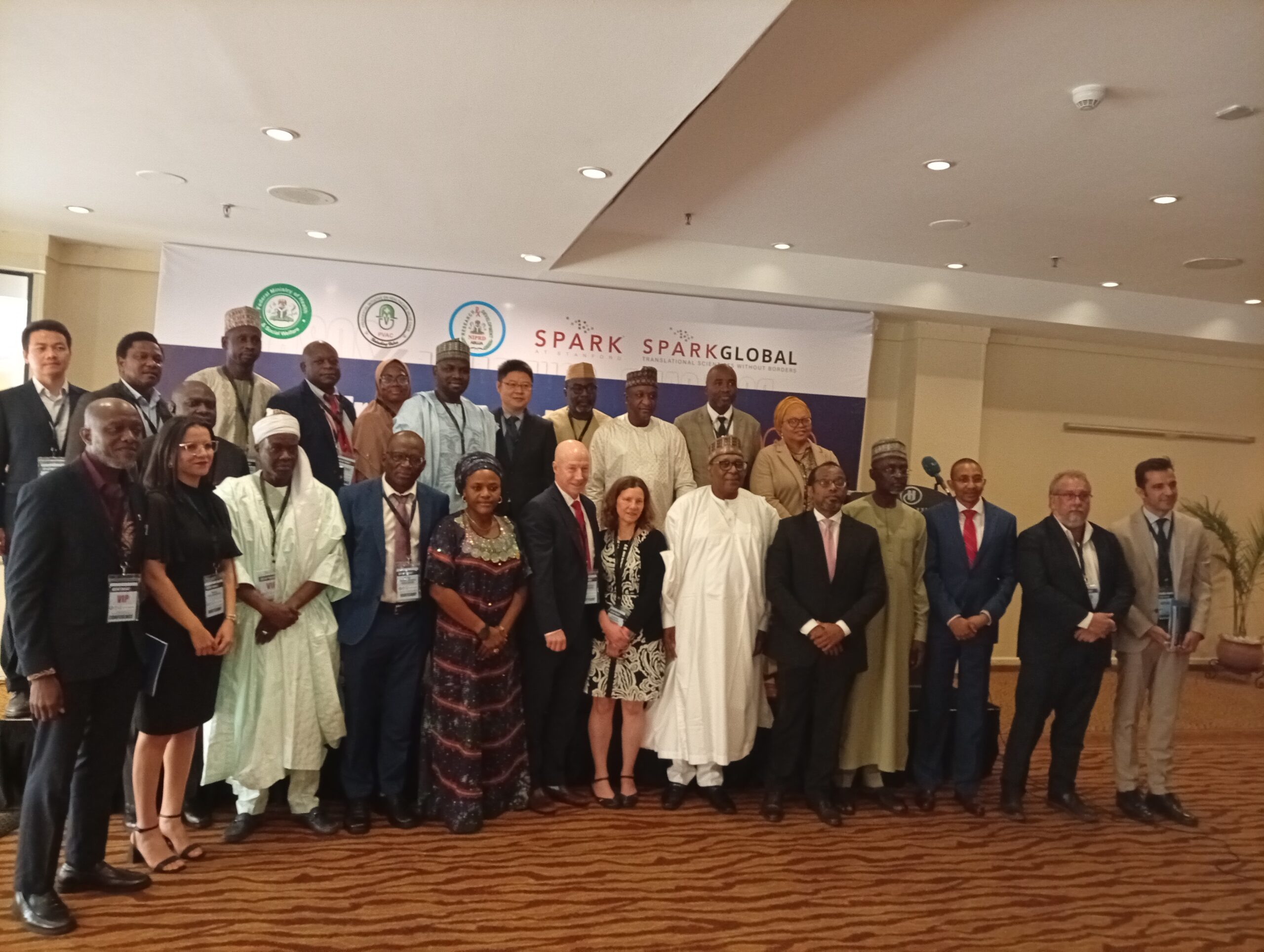
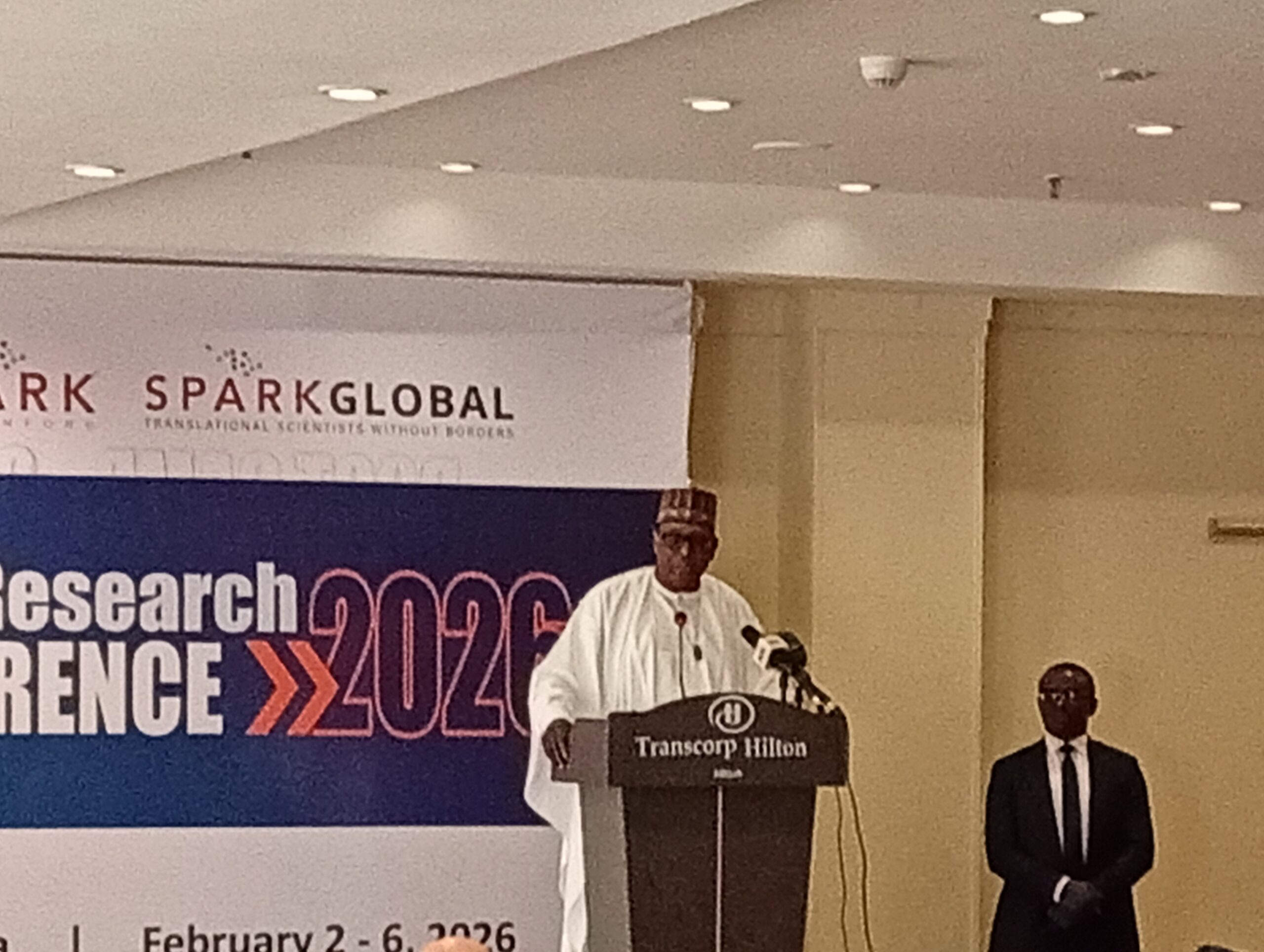
The Federal Ministry of Health and Social Welfare, through its agency, the National Institute for Pharmaceutical Research and Development (NIPRD), has commenced the 2026 SPARK Africa Translational Research Bootcamp and Scientific Conference in Abuja, with a strong call for increased investment in scientific research and innovation.
The week-long programme, which began on Monday, February 2, 2026, is holding at the Lagos/Osun Hall, Transcorp Hilton Hotel, and will run until Friday, February 6, 2026.
The initiative is aimed at strengthening Nigeria’s capacity to translate scientific discoveries into practical healthcare solutions, while promoting collaboration among academic researchers, industry experts, policymakers, and international partners across Africa.
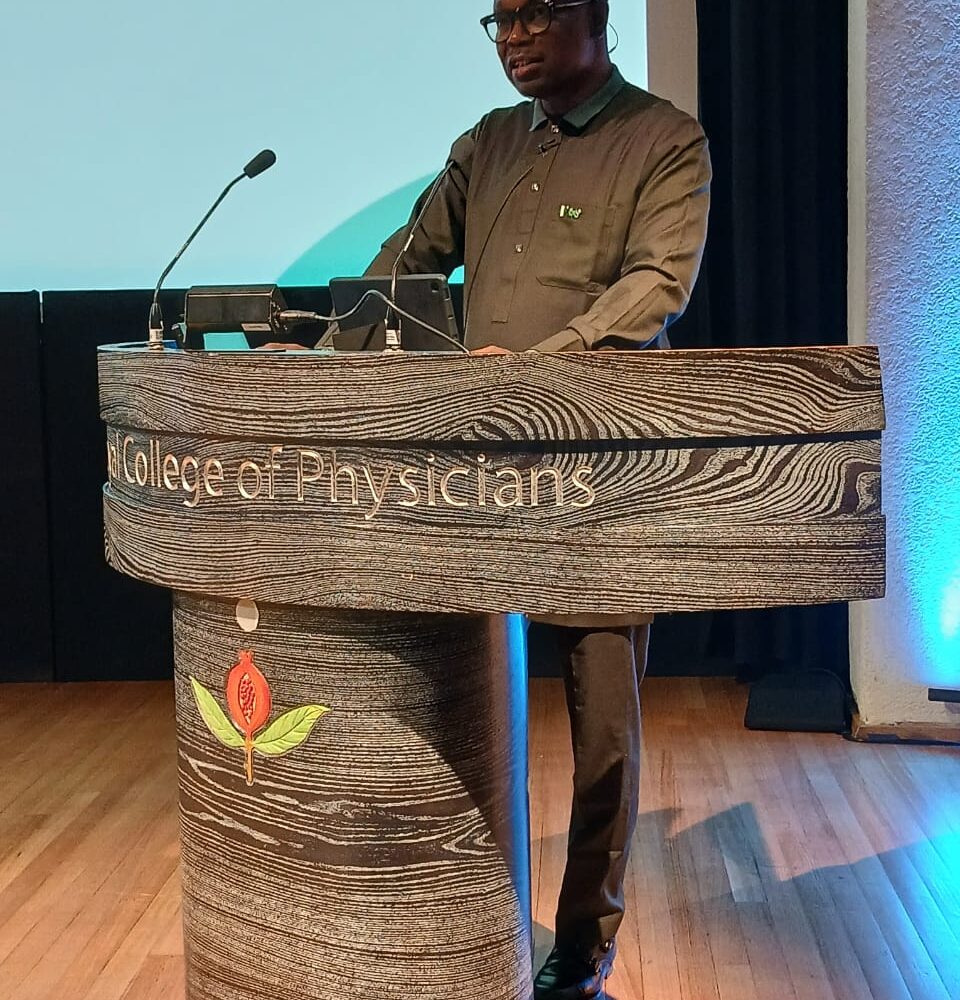
Declaring the conference open, the Coordinating Minister of Health and Social Welfare, Professor Muhammad Ali Pate, emphasized that science and scientific inquiry remain fundamental to human progress and national development.
He commended the leadership of the National Institute for Pharmaceutical Research and Development, the programme coordinators, and international partners, particularly Stanford University, for months of intensive planning and coordination that ensured the success of the event.
According to the minister, the timing of the conference is strategic, given the growing complexity of global and national health challenges.
He noted that scientific research has historically driven improvements in life expectancy, disease control, and quality of life, stressed that sustained investment in innovation is essential for Nigeria to achieve a resilient healthcare system.
Reflecting on the impact of the COVID-19 pandemic, Professor Pate said the crisis reshaped global systems, disrupted supply chains, weakened economies, and exposed the fragility of healthcare structures worldwide.
He observed that Nigeria is currently undergoing multiple transitions, including demographic and epidemiological shifts, with a rapidly growing youthful population and a rising burden of non-communicable diseases such as hypertension, diabetes, cardiovascular illnesses, cancer, and neurological disorders.
The minister stressed that addressing these challenges requires strong investment in research, skills development, and institutional capacity, rather than reliance on academic certificates alone.
He highlighted the Empower Academy initiative, developed in partnership with a Swiss academic institution, as a platform designed to equip young Nigerians with practical competencies for the health sector and prepare them for emerging opportunities in the healthcare economy.
In his welcome address, the Director-General and Chief Executive Officer of Nigeria Institute of Pharmaceutical Research and Development NIPRD, Dr. Obi P. Adigwe, emphasized the importance of teamwork in achieving scientific breakthroughs, noting that the success of the programme was the result of collective effort.
He acknowledged the contributions of senior researchers, including Professors Osifo, Beldas, Epeyong, and Kolados, stressing that scientific excellence thrives best within a supportive policy and institutional environment.
Dr. Adigwe also commended Professor Pate for providing consistent leadership and policy direction that have strengthened Nigeria’s research and innovation ecosystem.
According to him, preparations for the conference began over 18 months ago in collaboration with Stanford University and other international partners, overcoming time-zone challenges and logistical constraints.
He praised participants for prioritizing the programme, noting that many attended at personal expense in order to contribute to the advancement of healthcare research on the continent.
Delivering a goodwill message, the Co-Director of SPARK at Stanford University and Vice President of SPARK Global, Professor Kevin Grimes, traced the evolution of the SPARK programme over the past 20 years.
He noted that the initiative was founded in 2006 by Professor Daria Mochly-Rosen to bridge the gap between academic research and clinical application through mentoring, education, and industry partnerships.
Professor Grimes disclosed that SPARK has supported over 1,000 research projects across 23 countries, achieving a success rate of between 57 and 62 percent in advancing projects to clinical trials, licensing, or start-up formation.
He explained that the programme has helped to build strong biomedical innovation ecosystems in several countries, including Taiwan, where SPARK-supported projects now match the success rate of Stanford University.
According to him, African researchers are among the most talented globally, despite operating under resource constraints, and the SPARK Africa platform is designed to help them translate ideas into solutions that improve health outcomes and economic growth.
The conference also featured a goodwill message from the Argentine Ambassador-Designate to Nigeria, who expressed his country’s interest in learning from Nigeria’s healthcare innovation ecosystem and exploring future areas of collaboration in biomedical research and industry development.
He said Argentina is keen to engage with Nigeria and West Africa in developing industries that promote scientific advancement and sustainable healthcare solutions.
The event has attracted over 60 participants from Nigeria and other African countries, including leading scientists, policymakers, development partners, and members of the diplomatic community.
Participants are expected to engage in intensive training sessions, expert-led discussions, and collaborative workshops aimed at accelerating biomedical innovation and strengthening Africa’s healthcare research capacity.
Organisers expressed optimism that the outcomes of the conference would contribute significantly to building a resilient, innovation-driven health system in Nigeria and across the African continent.