
The Minister of State for Health and Social Welfare, Iziaq Adekunle Salako, has applauded the First Lady of Nigeria, Oluremi Tinubu, for her commitment to advancing the Federal Government’s food security agenda, describing it as a critical component of the nation’s public health strategy.
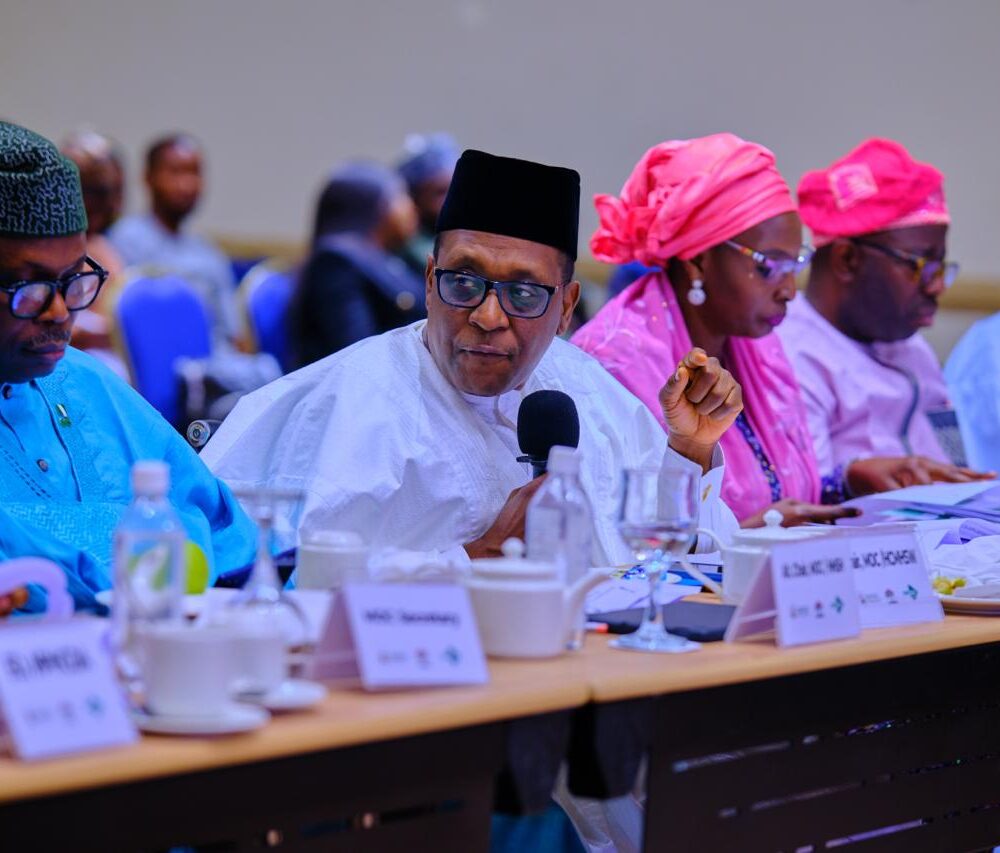
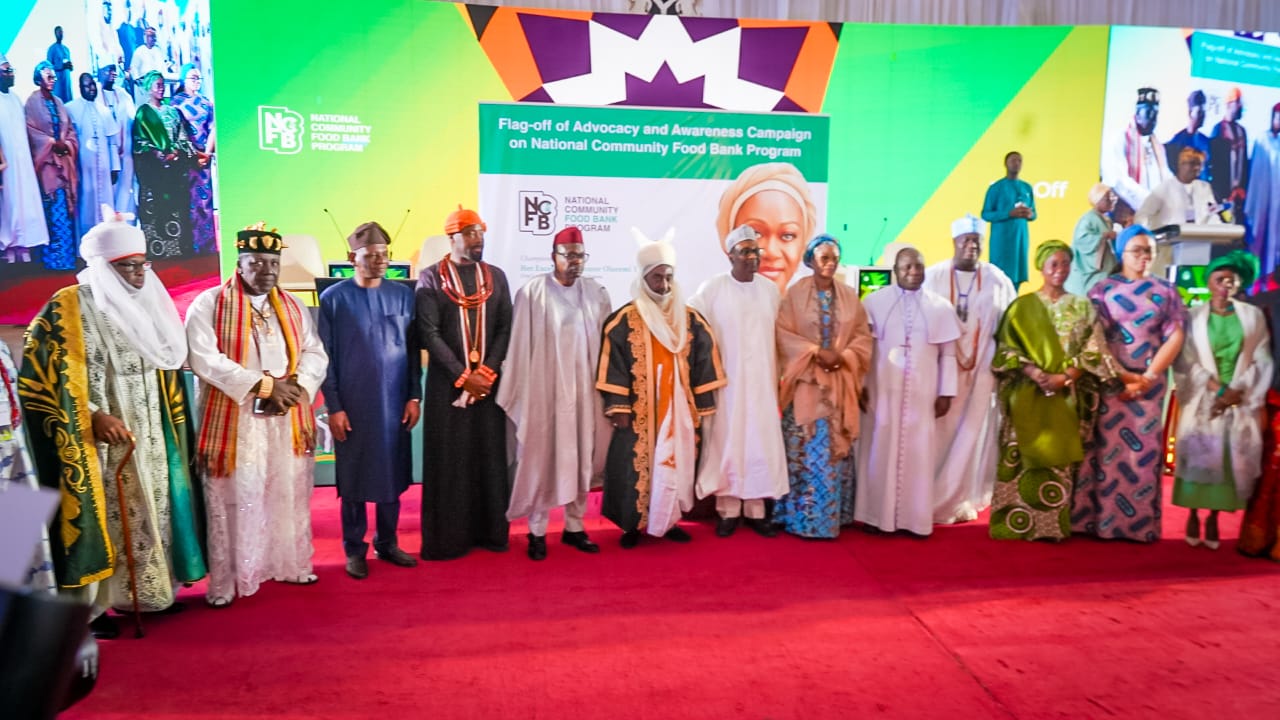
In a statement issued by Ado Bako, Assistant Director, Information and Public Relations at the Federal Ministry of Health and Social Welfare, the Minister gave the commendation during his welcome remarks at the National Traditional and Religious Leaders’ Summit on Health 2026, themed “Role of Traditional and Religious Leaders in Advancing the Nigeria Health Sector Renewal Investment Initiative (NHSRII)”, held at the Banquet Hall of the State House, Abuja.
Salako noted that the First Lady’s leadership and sustained interventions through the Renewed Hope Initiative demonstrate a strong commitment to improving the welfare of Nigerian families. He cited the flag-off of the Advocacy and Awareness Campaign for the National Community Food Bank Programme at the summit as evidence of her dedication to promoting nutrition and achieving zero hunger across the country.
According to him, the National Community Food Bank Programme, championed by the First Lady, aligned with the Federal Government’s Renewed Hope Agenda by addressing nutrition gaps that directly influence health outcomes. He explained that improved nutrition serves as a vital complement to preventive, curative and rehabilitative healthcare services.
Salako added that the initiative would help safeguard children’s cognitive and physical development while strengthening community accountability by ensuring local leadership participation in programme implementation. He emphasized that the food bank would improve access to essential nutrition for vulnerable Nigerians and reduce the burden of preventable illnesses.
Highlighting the importance of traditional and religious leaders in healthcare delivery, the Minister said evidence shown that their active involvement in designing, implementing, monitoring and evaluating health interventions significantly improves service uptake, including immunization and antenatal care, while strengthening public trust in healthcare systems.
He recalled that during Nigeria’s 2024 polio outbreak response, traditional leaders helped resolve 65 per cent of reported vaccine refusals across 17 northern states, with resolution rates reaching 92 per cent in Adamawa State and 84 per cent in Kebbi State. Their engagement also supported the enumeration of over 926,000 under-five children, with about 92 per cent successfully vaccinated in high-risk areas.
The Minister explained that the summit aims to transition healthcare reforms from government-led initiatives to community-owned systems by building awareness of the Nigeria Health Sector Renewal Investment Initiative, strengthening grassroots engagement, and securing strategic partnerships between government and community leaders.
He encouraged participants to contribute actively through structured plenary discussions, panel dialogues and the development of clear action pathways, noting that the meeting would conclude with the adoption of a communiqué outlining collective commitments and implementation strategies.
Salako stressed that participants are expected to emerge as strategic partners and champions of the Federal Government’s health reforms, aligned with the vision of President Bola Ahmed Tinubu to treat the health of every Nigerian as a fundamental and urgent right.