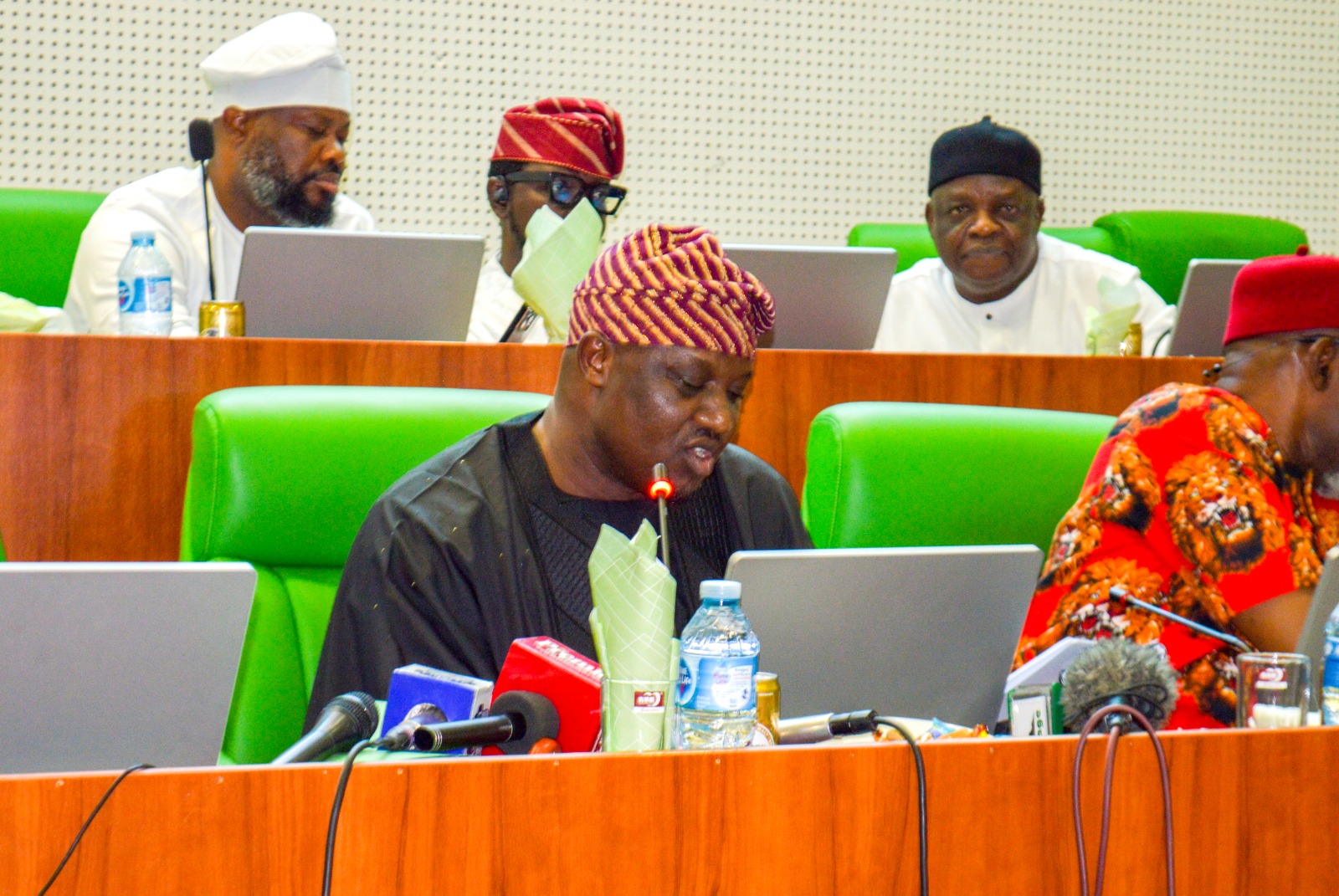
The House of Representatives has inaugurated an Ad-hoc Committee to investigate port and airport concession agreements, following concerns over expired contracts, poor infrastructure, and alleged revenue shortfalls to the Federal Government.
The Ad-hoc Committee on the Investigation and Appraisal of Federal Government Benefits from Concessionaires was set up after an oversight visit to key ports and terminals in mid-2024 revealed serious deficiencies in operations and contract compliance.
Speaking on the findings, Hon. Akinlayo Kolawole, committee chairman, described conditions at the ports as “alarming,” citing the absence of modern scanning equipment, inadequate dredging, and minimal infrastructural upgrades despite clear obligations in concession agreements.
“The failure to install scanners has forced customs officials to manually inspect containers, a practice that is obsolete globally and contributes to congestion, delays, and high costs at Nigerian ports,” Kolawole said. He noted that many modern vessels are unable to berth at Nigerian ports, forcing shipping lines to divert to neighboring countries, particularly the Republic of Benin, where goods are trans-shipped into Nigeria.
Kolawole also revealed that several concessionaires are operating on expired lease agreements, some lapsed one to two years ago, yet continue operations on a monthly rent basis an arrangement he described as “abnormal” and contrary to existing agreements.
The committee will review lease terms, remittances, and statutory fees to determine the extent of revenue losses between 2006 and 2025, and recommend recovery measures where necessary. But Kolawole emphasized that the probe is not solely focused on revenue; it also aims to improve service delivery and ensure value for public assets.
To enforce compliance and accountability, the committee has engaged security and anti-corruption agencies, including the Nigeria Police, Department of State Services (DSS), and Economic and Financial Crimes Commission (EFCC).
Kolawole concluded that the ultimate goal is to reposition Nigeria’s ports to meet international standards, restore investor confidence, and ensure the country derives full economic benefits from its strategic maritime assets.