

The Federal Ministry of Humanitarian Affairs and Poverty Reduction has announced plans to establish a coordinated, data-driven system aimed at delivering more effective humanitarian assistance and ensuring beneficiaries achieve self-reliance.

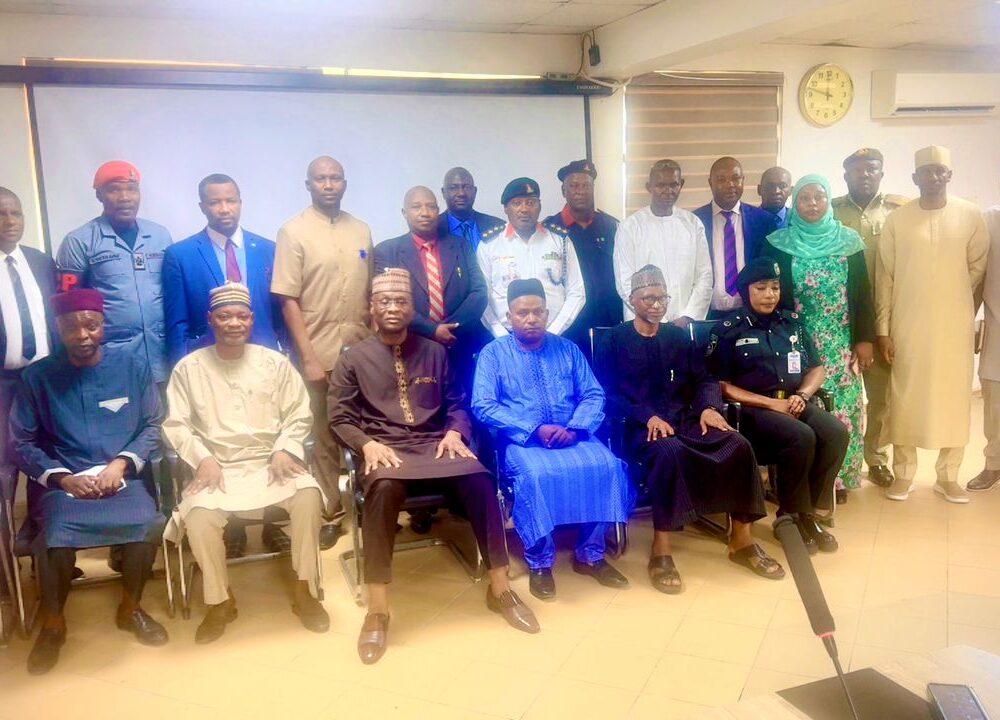
The Honourable Minister of Humanitarian Affairs and Poverty Reduction, Dr. Bernard Doro, revealed this on Tuesday, January 6, 2026, during a courtesy visit by a delegation from the Institute of Human Virology, Nigeria, led by its Director-General, Dr. Patrick Dakum. The delegation visited to congratulate the Minister on his appointment and offer support in addressing healthcare and humanitarian challenges affecting vulnerable groups.
Dr. Doro explained that the Ministry is working to create a structured framework with clear entry and exit points for beneficiaries, ensuring aid translates into sustainable outcomes rather than prolonged dependency. Central to this effort is the One Humanitarian, One Poverty Reduction System, designed to track interventions, strengthen coordination, and support evidence-based decision-making.
“The goal is to help vulnerable people become self-reliant while engaging sub-national governments to ensure synergy in humanitarian efforts,” Dr. Doro said.
Earlier, Dr. Dakum emphasized the importance of partnerships in tackling Nigeria’s humanitarian and healthcare challenges. He expressed the Institute’s readiness to collaborate with the Ministry and other stakeholders, leveraging expertise and resources to improve the lives of Nigerians in need.
The initiative underscored the Federal Government’s commitment to a data-driven approach that enhances transparency, tracks progress, and ultimately improves outcomes in poverty reduction and humanitarian support across the country.