
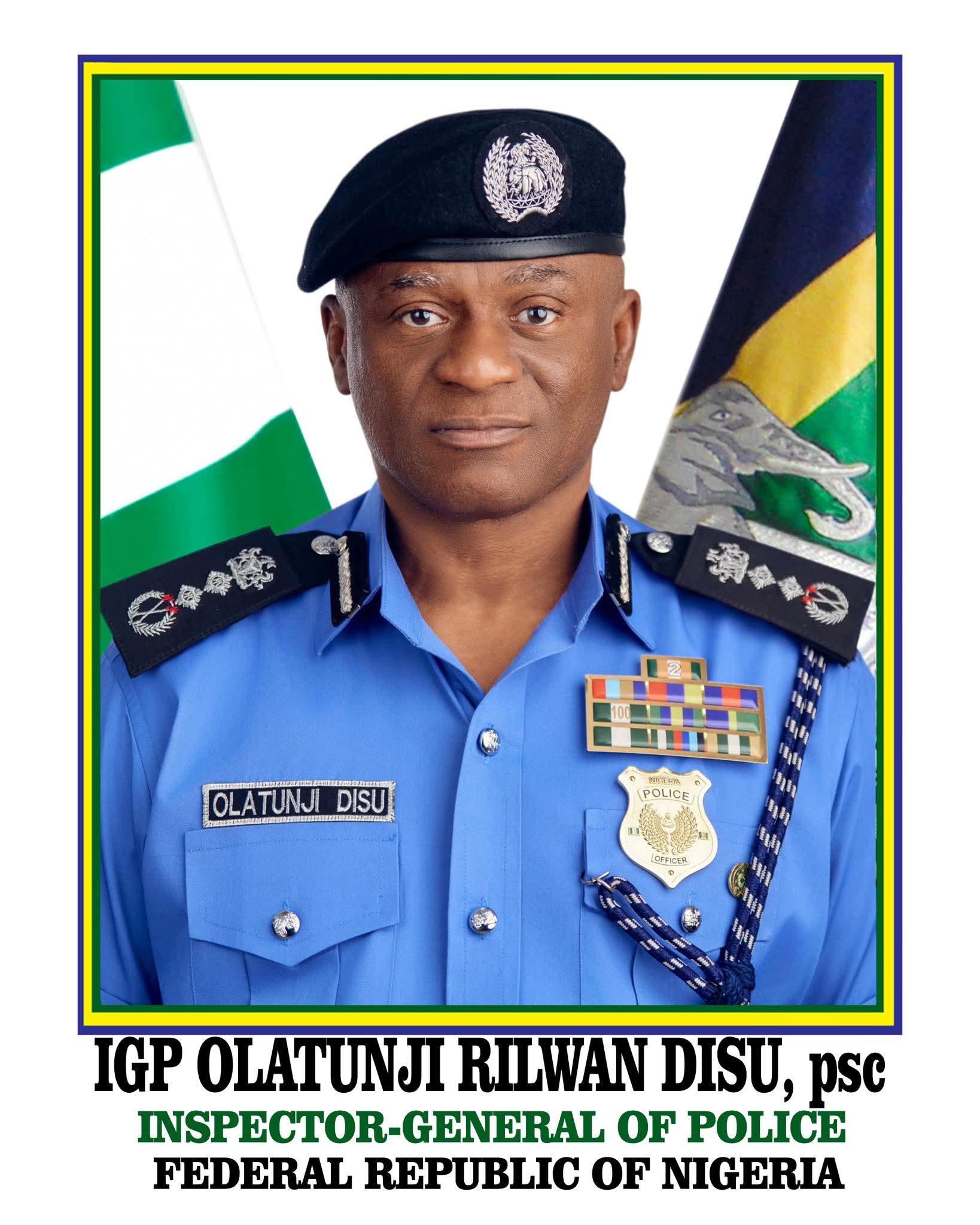
The Inspector-General of Police (IGP), Olatunji Rilwan Disu, has unveiled a far-reaching reform agenda for the Nigeria Police Force, declared zero tolerance for misconduct and vowing to reposition the Force as a professional, accountable and technology-driven institution ahead of the 2027 General Elections.
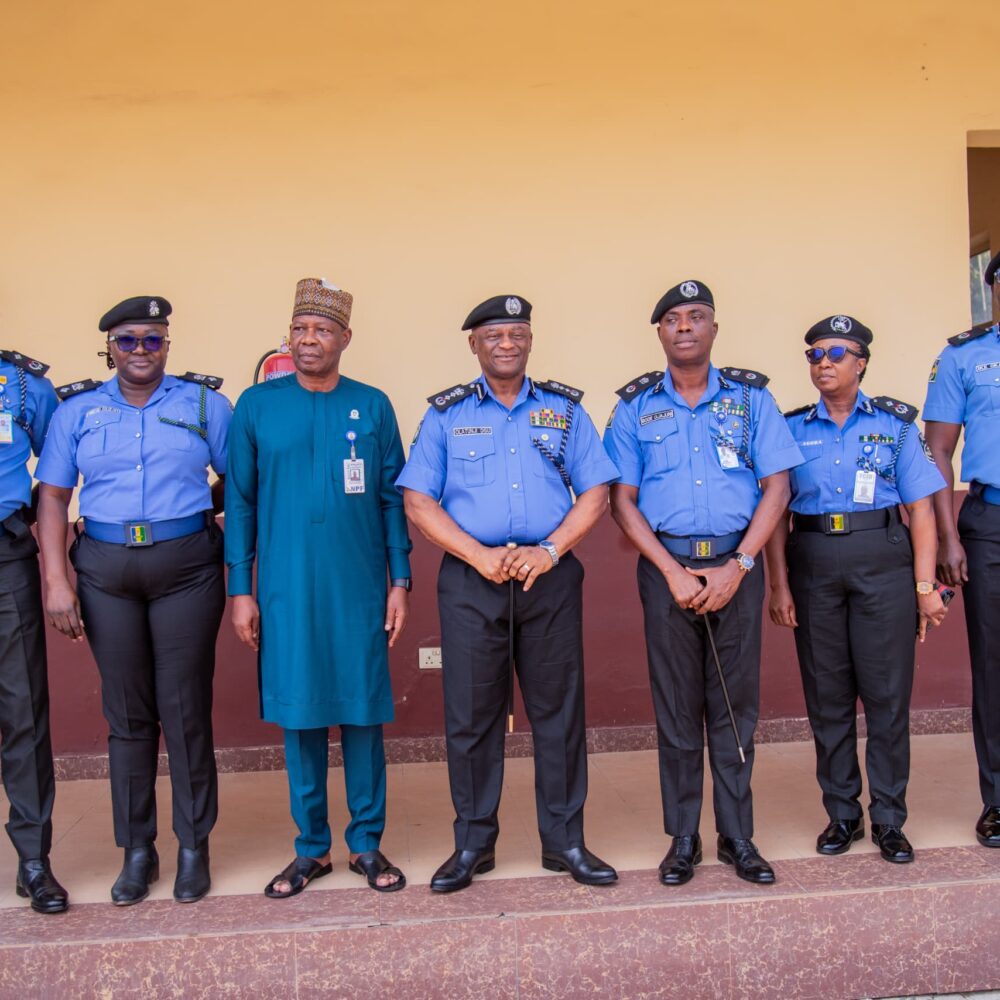
Speaking at the inaugural conference with Strategic Police Managers at the Peacekeeping Conference Centre, Abuja, on Wednesday, the IGP described the meeting as the beginning of a defining chapter in the history of the Force following his assumption of office. He stressed that leadership within the Police must be anchored on responsibility, discipline and service to the Nigerian people, noted that public trust remains the bedrock of effective policing.
According to him, the Nigeria Police Force exists to serve the people, protect the nation and uphold the rule of law, emphasizing that professionalism, accountability and transparency would no longer be mere slogans but enforceable standards under his leadership.
The police chief warned that abuse of power, corruption, extortion, unlawful arrest and other forms of unprofessional conduct would not be tolerated. He said every action taken by a police officer reflects on the integrity of the entire Force and, by extension, the image of the country. Senior officers, he noted, must lead by example and uphold the highest ethical standards at all times, adding that respect for human rights is fundamental to legitimate policing and essential to sustaining public confidence.
To reinforce internal discipline, the IGP announced that accountability mechanisms within the Force would be strengthened and insulated from undue influence. He said the Force Provost, Complaints Response Unit and X-Squad would be empowered to investigate allegations of misconduct independently and decisively. He made it clear that no officer would be shielded by rank or position, warning that those found culpable would face swift disciplinary measures, including dismissal and prosecution where necessary.
Beyond discipline, the IGP outlined plans for institutional reforms aimed at improving recruitment, training and operational capacity. He disclosed that recruitment processes would be reviewed comprehensively to ensure only individuals of sound character and competence are admitted into the Force. Training curricula across police institutions, he added, would be modernized to align with emerging security challenges, evolving criminal tactics and global best practices, while continuous professional development and specialized training would receive renewed emphasis.
He further announced a strategic shift toward intelligence-led, evidence-based and technology-driven policing. Plans are underway to strengthen intelligence gathering, improve coordination across commands and invest in modern investigative tools, digital and cyber forensics, data analytics, surveillance technologies and scientific crime-scene management. The goal, he said, is to ensure proactive responses to crime and reinforce the Police as a capable and credible lead agency in the nation’s internal security framework.
Reaffirming his commitment to community policing, the IGP said policing cannot succeed in isolation from the communities it serves. He directed Commissioners of Police to sustain engagement with traditional institutions, community leaders, youth groups and civil society organizations, describing security as a shared responsibility that requires partnership and collaboration.
With the 2027 General Elections approaching, the IGP underscored the Force’s critical responsibility in election security management. He assured Nigerians that the Police would remain firm in enforcing the law, impartial in decision-making and strictly neutral in all electoral engagements. He pledged that the Force would secure the electoral process before, during and after the polls, protect voters and electoral officials and safeguard democratic institutions and critical infrastructure. Any officer found engaging in partisanship or violating electoral laws, he warned, would face swift and decisive disciplinary action.
The IGP also acknowledged that optimal performance depended on the welfare of officers and men of the Force. He pledged sustained attention to housing, remuneration, pensions, healthcare and overall wellbeing, noting that improved morale would translate into improved service delivery.
He concluded by expressing gratitude to President Bola Ahmed Tinubu for the confidence reposed in him, assuring Nigerians of his commitment to discharge his duties with diligence, integrity and unwavering dedication to national security.