The Federal Ministry of Foreign Affairs has joined the global community in commemorating the 2026 International Women’s Day, celebrating the contributions of Nigerian women while reaffirming the country’s commitment to advancing gender equality and protecting the rights of women and girls.
In a statement issued on Sunday in Abuja by the Ministry’s Spokesperson, Kimiebi Imomotimi Ebienfa, the Ministry noted that this year’s theme, “Rights. Justice. Action. For ALL Women and Girls,” highlights the urgent need to dismantle persistent barriers and systemic inequalities that hinder the full realization of women’s rights globally.
The Ministry said women and girls constitute nearly half of Nigeria’s population and remain critical drivers of economic growth, social cohesion, peacebuilding and sustainable development across the country.
It highlighted the diverse roles played by Nigerian women in communities and professional spaces, from farms and markets across towns such as Sabagreia, Azare, Katsina-Ala and Okitipupa to boardrooms, diplomatic corridors and homes, where they continue to demonstrate resilience, innovation and leadership.
The Ministry also reaffirmed the Federal Government’s commitment to gender equality under the leadership of Bola Ahmed Tinubu, noting that the administration remains dedicated to policies and initiatives that promote women’s empowerment and protect their rights.
According to the statement, Nigeria’s commitment is guided by national policies as well as regional and international frameworks, including the Maputo Protocol, the African Union Agenda 2063, the Sustainable Development Goals—particularly Goal 5 on gender equality—alongside the Convention on the Elimination of All Forms of Discrimination Against Women and the Beijing Declaration and Platform for Action.
The Ministry further stressed that the government will continue to advocate increased women’s representation in decision-making processes, elimination of gender-based violence, economic inclusion and equal access to justice and opportunities.
It noted that Nigeria’s foreign policy, anchored on the “4Ds” of Demography, Democracy, Development and Diaspora, also prioritizes international collaboration to address inequalities affecting women, particularly those in conflict-affected and vulnerable communities.
The Ministry therefore called on government institutions, civil society, private sector stakeholders and the international community to work collectively to ensure that every woman and girl enjoys equal rights, justice and opportunities.
It also celebrated the achievements of Nigerian women at home and in the diaspora while renewing its resolve to translate commitments on gender equality into tangible progress.
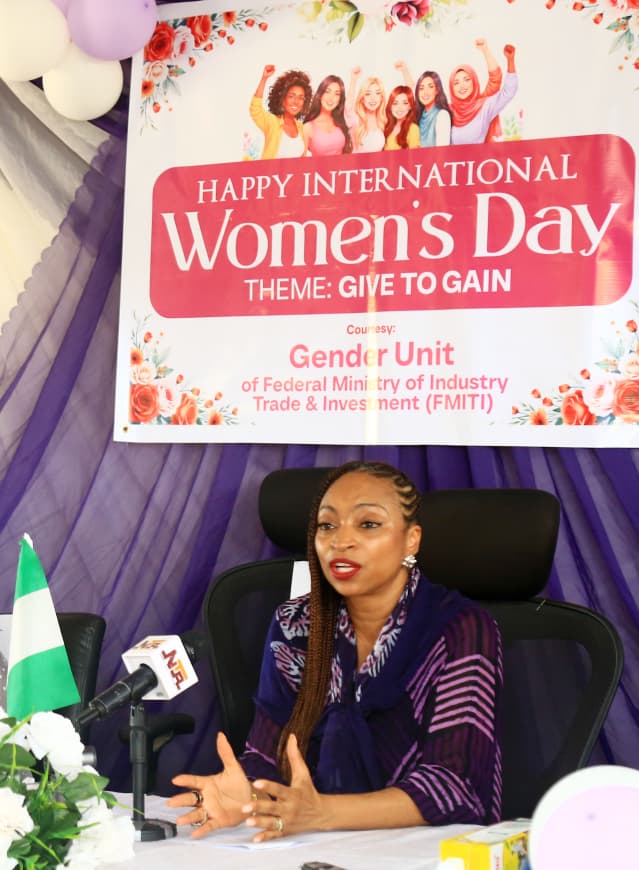
International Women’s Day is observed annually on March 8 to recognize the social, economic, cultural and political achievements of women worldwide while advocating greater gender equality.