
Jehovah’s Witnesses have issued a significant clarification on their long-standing position on blood transfusions, granting members the freedom to decide whether their own blood can be used during surgery or medical procedures.
The announcement was made in a video statement by Gerrit Lösch, who explained that the update is intended to allow Christians to make personal decisions regarding the handling of their own blood in medical settings.
He reiterated that while abstaining from blood remains a core doctrinal principle, the Bible does not specifically address the use of one’s own blood in medical treatment. As such, individuals are now encouraged to make decisions based on their personal conscience.
“Regarding the use of one’s own blood…a Christian must decide for himself how his own blood will be handled in the course of a surgical procedure, medical test, or current therapy,” he said.
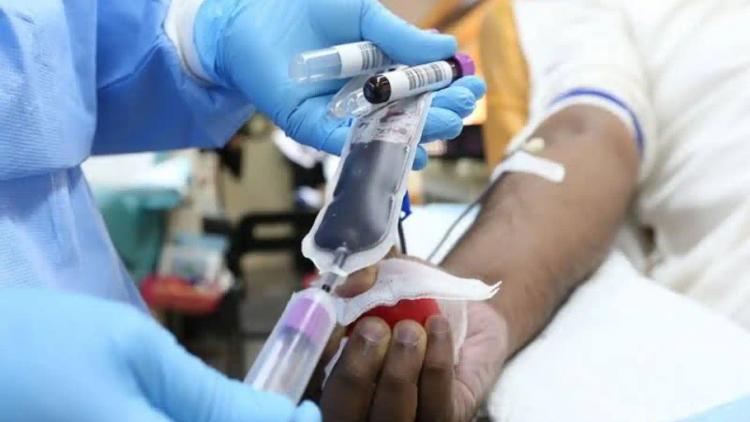
Lösch noted that many members already accept certain medical procedures involving their own blood, such as blood tests, heart-lung machines, cell salvage techniques, and kidney dialysis. The clarification now extends to whether a member permits their blood to be removed, stored, and later returned during treatment.
“Some Christians may decide that they would allow their blood to be stored and then be given back to them. Others may object. Each Christian must make his personal decision,” he added.
The development comes months after the death of Esther Mensah, a social media influencer popularly known as Aunty Esther, who declined a medically advised blood transfusion while battling cancer due to her religious beliefs.
Her passing in December 2025 sparked widespread debate over the balance between faith-based convictions and medical advice, especially within the Jehovah’s Witness community.
With this clarification, the religious body appears to be reaffirming its doctrinal stance while accommodating individual choice in light of evolving medical practices.