By Fatima Abubakar
The Muslim Rights Concern (MURIC) has cautioned oil workers’ unions against embarking on strike over the ongoing dispute between the Nigeria Union of Petroleum and Natural Gas Workers (NUPENG) and Dangote Refinery.
NUPENG, in alliance with the Petroleum and Natural Gas Senior Staff Association of Nigeria (PENGASSAN), had threatened industrial action following disagreements on the participation of Dangote Refinery workers in their union activities.
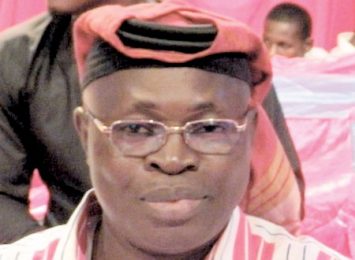
However, in a statement issued on Tuesday by its Founder and Executive Director, Professor Ishaq Akintola, MURIC urged the unions to shelve their strike plans, warned that such action could derail Nigeria’s fragile economic recovery.
“MURIC calls on the unions to soft-pedal. This is not the best time to go on strike. Nigeria is just coming out of the woods as a result of the economic reforms of the Tinubu administration. A strike in the oil sector at this point in time can derail the reforms and take us back to the dark days of fuel shortages,” Akintola said.
The group noted that the operation of the Dangote Refinery had already brought relief to Nigerians, with petrol prices dropping from about N1,300 per litre after subsidy removal to between N860 and N900 depending on location.
Akintola also appealed to the Federal Government to protect the refinery from what he described as “a calculated attempt to blackmail it,” stressed that unionism must not be allowed to undermine national economic progress.
“With GDP growth at 3.13% in the first quarter of 2025, higher than 2.27% in the same period in 2024, and inflation now down to 21.88%, the government cannot afford to let aggressive unionism scuttle these gains,” he added.
MURIC further warned that the unions’ actions could discourage foreign investors who have recently shown interest in Nigeria, citing Brazil, China, Saudi Arabia, the UAE, the US, the UK, and South Africa as examples.
While unions accused Dangote Refinery of monopolistic practices, MURIC argued that Nigerians see “economic emancipation and reduction in the prices of petroleum products.”
The group therefore appealed to traditional rulers, opinion leaders, and stakeholders to intervene and persuade both NUPENG and PENGASSAN to prioritize national interest.