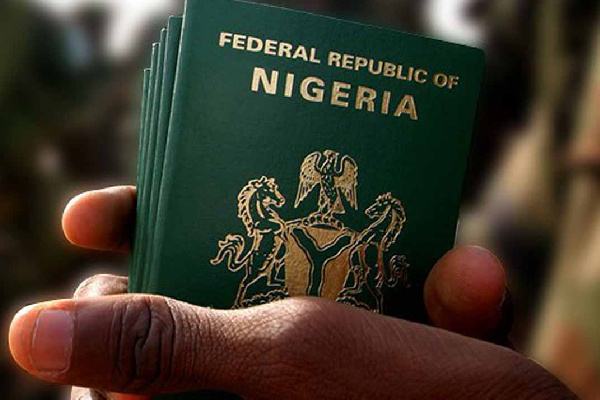
The Muslim Rights Concern (MURIC) has strongly condemned what it described as a discriminatory and constitutionally questionable passport biometric requirement allegedly being enforced by officials of the Nigeria Immigration Service (NIS), compelling Muslim women to expose their ears during passport data capturing.
In a release signed by its Kwara State branch Chairman, Barrister Taofeeq Jaji, MURIC said the organisation received a formal petition from Mrs Hajiah Madinah Adigun-Oladotun, a Nigerian entrepreneur and media practitioner, over her experience while attempting to renew her passport at an NIS office in Abuja.
According to the petition, immigration officials allegedly insisted that Mrs Adigun-Oladotun must pull back her hijab to expose her ears before biometric capture could proceed. Despite explaining that the hijab is a religious obligation and not a fashion accessory, she was reportedly told that the directive was based on a “new policy” said to have emanated from the office of the Minister of Interior. The incident has since attracted widespread public attention following media reports.
MURIC described the development as deeply disturbing, discriminatory, and constitutionally questionable, noted that it violated Sections 38 and 42 of the 1999 Constitution of the Federal Republic of Nigeria (as amended), which guarantee freedom of religion and prohibit discrimination on religious grounds in access to public services.
The organisation recalled that Nigerian passport biometric processes have historically accommodated Muslim women wearing hijab, adding that the petitioner herself had previously undergone biometric capturing without such demands, both in Nigeria and overseas. MURIC argued that the sudden insistence on exposing the ears of Muslim women represents a dangerous departure from Nigeria’s long-standing pluralistic and multi-faith administrative tradition.
Beyond constitutional issues, MURIC warned that forcing Muslim women to alter their religious appearance could result in identity distortion, harassment, and profiling at banks, government agencies, and international borders, as passport photographs would not reflect their normal religious appearance.
While noting that the alleged policy was attributed to the office of the current Minister of Interior, MURIC said the Minister owes Nigerians, particularly Muslim women, a clear legal explanation if such a policy truly exists.
The group called for immediate public clarification from the Ministry of Interior and the NIS on the legal basis of the alleged policy, suspension of any biometric requirement that compels Muslim women to violate their religious obligations, adoption of a faith-sensitive biometric framework consistent with constitutional guarantees and international best practices, and the training and re-orientation of NIS officers on religious rights and professional conduct.
MURIC stressed that Nigeria is a multi-religious state and warned that any policy that forces citizens to choose between their faith and access to public services has no place in a constitutional democracy. The organisation added that it would not hesitate to pursue all lawful avenues, including engagement with oversight bodies and strategic litigation, should the practice persist.