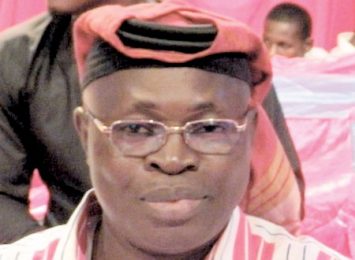
The Muslim Rights Concern (MURIC) has commended the All Progressives Congress (APC) and the African Democratic Congress (ADC) in Osun State for producing Muslim candidates for the 2026 governorship election.
In a press statement issued on Tuesday, December 16, 2025, MURIC’s Founder and Executive Director, Professor Ishaq Akintola, described the outcome of the parties’ primaries as a positive step toward inclusive governance, noted that Muslims constitute a majority in Osun State’s demographic composition.
MURIC congratulated the candidates on their emergence and called on political parties in other South-West states particularly Lagos, Ogun and Oyo, where governorship primaries are expected in 2026 to emulate Osun if they intend to enjoy broad Muslim support.
The organisation decried what it described as the “persistent marginalisation” of Yoruba Muslims in political leadership at both state and federal levels, insisting that Muslims deserve equitable representation. It specifically demanded Muslim governorship candidates in Lagos, Ogun and Oyo, while urging Ondo and Ekiti states to at least field Muslim deputy governorship candidates.
According to MURIC, Christians have historically been accommodated in leadership positions across South-West states, either as governors or deputies, while Ondo and Ekiti have shown little inclusiveness since independence. The group recalled that the only time a Muslim served as deputy governor in the old Ondo State was between 1990 and 1992, under military rule.
The rights group further expressed concern that all six South-West states currently have Christian governors, describing the situation as insensitive and unjust. It warned that continued concentration of political power in the hands of one religious group undermines genuine religious tolerance and peaceful coexistence.
MURIC maintained that Yoruba Muslims are equal stakeholders in the region and should not be treated as second-class citizens, stressing that political power and regional resources must be shared equitably. The organisation called for what it termed a necessary change by 2027 in the interest of fairness, justice and social harmony.