
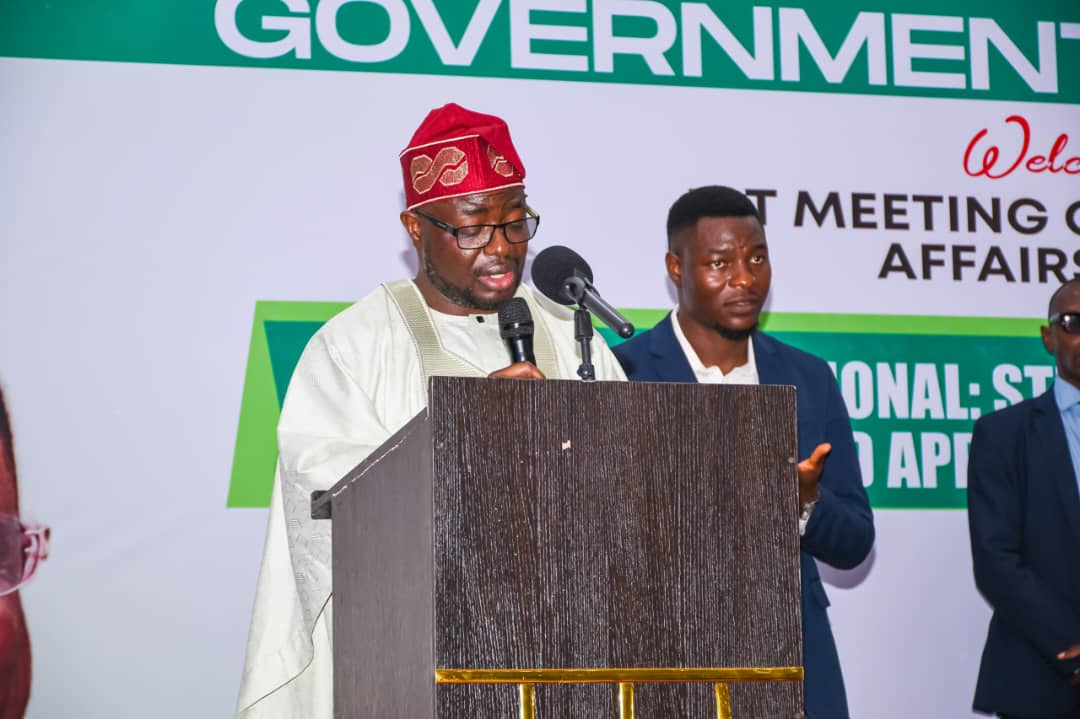
The Minister of Humanitarian Affairs and Poverty Reduction, Dr. Bernard M. Doro, has declared that the National Council on Humanitarian Affairs and Poverty Reduction is a critical institutional platform for coordinating humanitarian response and accelerating poverty reduction across Nigeria.
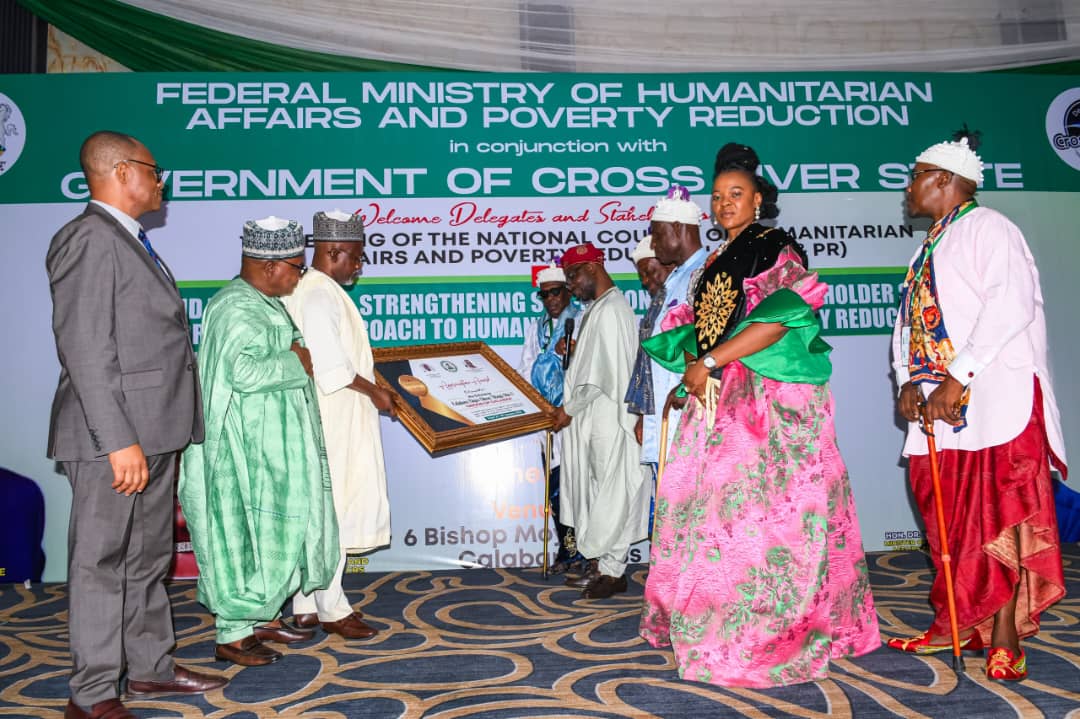
Speaking at the maiden Council meeting in Calabar, Cross River State, Dr. Doro said the body was established to harmonise interventions, eliminate duplication, strengthen data-driven decision-making and ensure measurable outcomes at the federal, state and local government levels.
He explained that the creation of the Ministry in 2019 was a strategic response to the growing challenges of poverty, displacement, insecurity and social vulnerability in the country.
The Minister highlighted major interventions of the Ministry through its agencies, including the National Social Investment Programme Agency (NSIPA), the National Commission for Refugees, Migrants and Internally Displaced Persons, the National Commission for Persons with Disabilities, the National Senior Citizens Centre and the SDGs Office.
According to him, the Conditional Cash Transfer Programme, anchored on the National Social Register, has reached over 8.3 million households, benefiting more than 35 million Nigerians, with plans to scale up to 15 million households nationwide.
Dr. Doro stressed that the Council was designed as a practical mechanism for aligning funding, strengthening partnerships and promoting inclusive governance in humanitarian and poverty reduction programmes.
In his opening remarks, the Minister of State, Dr. Yusuf Tanko Sununu, described the Council as a major milestone in Nigeria’s journey towards building a fair and compassionate society.
He said effective humanitarian action requires strong collaboration among federal and state governments, civil society, development partners and local communities.
Dr. Sununu assured stakeholders of the Federal Government’s readiness to implement resolutions reached at the Council in line with President Bola Ahmed Tinubu’s Renewed Hope Agenda.
Declaring the meeting open on behalf of the Cross River State Governor, Senator Prince Bassey Edet Otu, the Deputy Governor, Rt. Hon. Peter Agbe Odey, reaffirmed the state’s commitment to supporting the Federal Government’s humanitarian and social welfare programmes.
He identified poverty as a major driver of insecurity and highlighted challenges in the state, including internally displaced persons, over 50,000 Cameroonian refugees, flooding, erosion and livelihood vulnerability.
Earlier, the Cross River State Commissioner for Humanitarian Affairs, Dr. Helen Agan Isamoh, described the Council as a historic step in strengthening Nigeria’s humanitarian governance architecture.
She commended President Bola Ahmed Tinubu for establishing the Ministry and praised Dr. Doro for convening the maiden Council.
Other highlights of the event included a keynote lecture by Dr. Umar Bindir, presentation and adoption of technical reports, goodwill messages and cultural performances.
In his vote of thanks, the Permanent Secretary, Mr. Olubunmi Olusanya, pledged that the Ministry would translate the outcomes of the Council into concrete actions to strengthen humanitarian systems nationwide.
The three-day meeting attracted members of the National Assembly, security agencies, state officials, traditional rulers, development partners, civil society groups, NGOs and the media.
Participants reaffirmed their commitment to institutionalising humanitarian governance, strengthening federal-state coordination and ensuring that no Nigerian is left behind in the drive for resilience and poverty reduction.