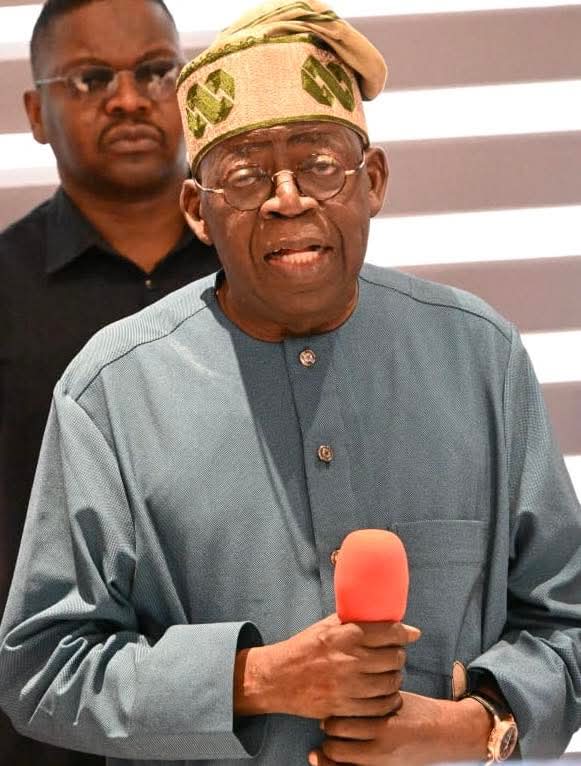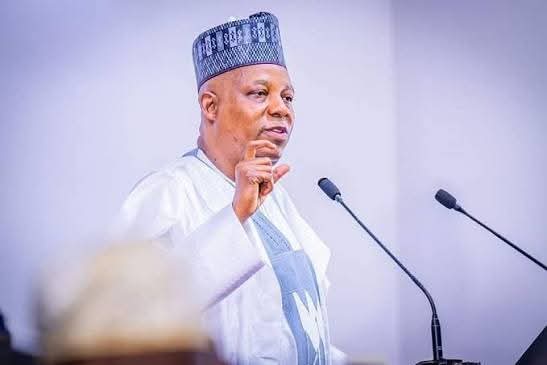
Vice President Kashim Shettima has called on Nigerians in the diaspora to play a more active role in driving the nation’s economic renewal, describing their skills, capital, and global exposure as vital assets for building a prosperous and inclusive Nigeria.
Delivering his keynote address at the opening of the 8th Nigeria Diaspora Investment Summit (NDIS 2025) at the State House Conference Centre, Abuja, Shettima represented by the Permanent Secretary, Federal Ministry of Foreign Affairs, Amb. Dunoma Umar Ahmed said the Tinubu administration regarded the diaspora community as a strategic partner in its economic transformation agenda.
He noted that the Summit’s theme, “Fast-Tracking Regional and National Development by Mobilising Diaspora Investment,” aligned with President Bola Tinubu’s priority of attracting foreign and local investment, expanding job opportunities, and deepening infrastructure development.
According to him, the Tinubu administration is building a new investment climate anchored on security, transparency, and accountability. He emphasised that the government’s ongoing economic reforms especially those in the financial and digital sectors are aimed at restoring confidence and unlocking new frontiers of growth.
“Nigeria’s prosperity will come faster when the public sector, private sector, and our global diaspora work together in unity of purpose,” Shettima said. “We have the talent, the numbers, and the entrepreneurial energy. What we need now is the synergy to turn potential into prosperity.”
The Vice President said Nigeria’s vast diaspora population had already demonstrated its impact through remittances estimated at over $21 billion in 2024, sustaining millions of households and small businesses. He added that the administration’s policies including the introduction of the Non-Resident BVN and a more flexible exchange rate regime were designed to make financial systems more accessible and attractive for diaspora investors.
Shettima also highlighted the government’s significant investment in infrastructure, citing the approval of ₦4.2 trillion for major road and bridge projects, ₦1.3 trillion to offset legacy debts in the power sector, and the deployment of over 90,000 kilometres of fibre optic cables to expand the digital economy.
“When our infrastructure, MSMEs, and diaspora investments work in harmony, progress becomes unstoppable,” he declared, urged Nigerians abroad to “come home economically” by investing in local industries, innovation, and human capital.
In her welcome address, the Chairman and Chief Executive Officer of the Nigerians in Diaspora Commission (NiDCOM), Hon. Abike Dabiri-Erewa, described the Summit as a growing platform that brought together visionaries, innovators, and policymakers committed to national renewal.
She praised Nigerians abroad for their sustained support through remittances estimated at about $25 billion annually which, she said, represented not just financial assistance but a deep sense of loyalty and belief in the country’s future.
“Our aim is to go beyond remittances,” Dabiri-Erewa said. “We are building structured, sustainable pathways for diaspora investment that can create jobs, transform lives, and strengthen local economies. The Nigerian diaspora remains one of our most valuable national assets.”
She reaffirmed NiDCOM’s commitment to bridging the gap between diaspora investors and viable opportunities within Nigeria, stressing that the Summit had already facilitated several partnerships and project signings across key sectors.
In her address, Dr. Badewa T. Adejugbe-Williams, Chairman of the Nigeria Diaspora Summit Initiative, described the summit as a testament to the power of vision, collaboration, and perseverance.
“What began as a bold idea to connect Nigeria with her global diaspora has evolved into one of the most influential platforms for diaspora engagement and investment facilitation in our nation’s history,” she said.
She thanked government partners, investors, entrepreneurs, sponsors, exhibitors, and the media for their continued support, describing them as key drivers of the summit’s impact.
“The NDIS stands as a beacon of what is possible when we harness the talents, resources, and commitment of Nigerians both at home and abroad towards building a prosperous future,” she added.
The Chief of Mission of the International Organization for Migration (IOM), Ms. Sharon Dimanche, in her remarks commended Nigeria for institutionalising diaspora engagement through NiDCOM and for maintaining one of the most dynamic diaspora populations globally.
She said IOM’s collaboration with the Federal Government had strengthened policies and investment frameworks that enable Nigerians abroad to contribute more meaningfully to national development.
Dimanche noted that the diaspora represented not just a flow of remittances, but also a network of talent, innovation, and goodwill that extends across continents. She called for deeper partnerships, transparent policies, and expanded financing instruments such as diaspora bonds and blended investment models to sustain long term development outcomes.
The Minister of Solid Minerals Development, Dr. Dele Alake,in his speech said the government’s diversification agenda is already yielding results, with more than $1.3 billion in fresh investments recorded in the mining sector within a year. He explained that the decision to revoke over 3,000 dormant licences was part of efforts to sanitise the sector and attract credible investors.
“We are focused on value addition,” Alake said. “Nigeria will no longer be known merely for exporting raw minerals. We want to refine, process, and industrialise locally, and we invite our diaspora professionals to be part of that journey.”
In his remarks, the Minister of Information and National Orientation, Alhaji Mohammed Idris, urged Nigerians at home and abroad to project a positive image of the country, noting that investor confidence is often shaped by the nation’s reputation.
“Every Nigerian is an ambassador,” he said. “The way we talk about our country influences how investors see us. We have made progress our removal from the Financial Action Task Force grey list is proof that reforms are working and that Nigeria’s credibility is being restored.”
The Minister of Steel Development, Mohammed Abubakar Audu, also appealed to the diaspora to explore investment opportunities in the steel and metals sector. He said ongoing reforms, including the proposed Metallurgical Industry Bill and recent groundbreaking for a $400 million Stellar Steel Plant in Kogi State, are part of efforts to revive the nation’s industrial base.
Also speaking, Director-General, Directorate of Technical Cooperation in Africa (DTCA) Col. Garba Moyi Isa (Rtd.) pledged continued support for initiatives promoting national development through diaspora expertise and partnerships.
A major highlight of the Summit was the unveiling of a new publication titled “The Nigerian Project,” an initiative of NiDCOM, by the Minister of Information and National Orientation, Alhaji Mohammed Idris Malagi. The book document the impact and achievements of Nigerians home and in the diaspora across various sectors.
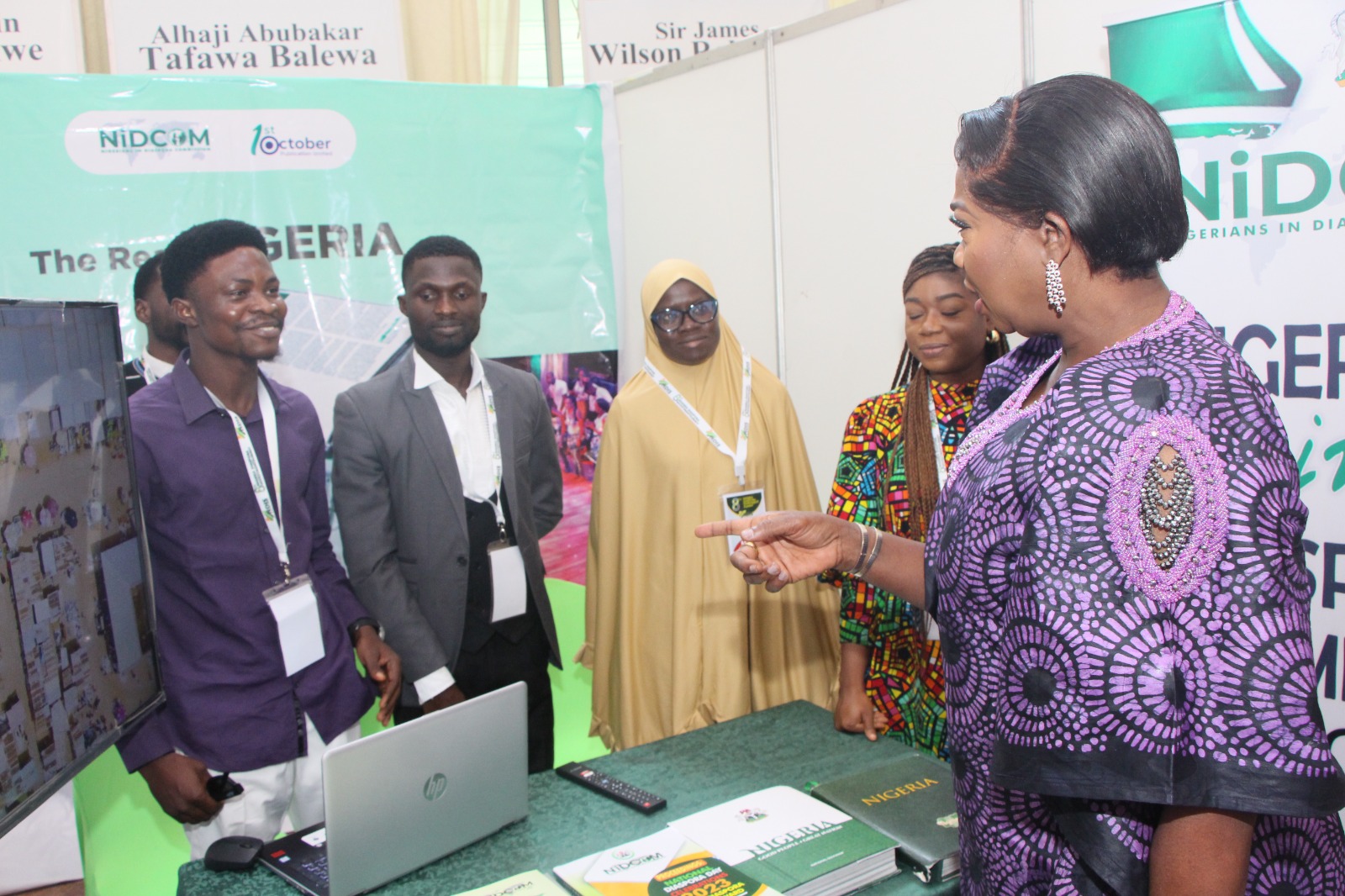
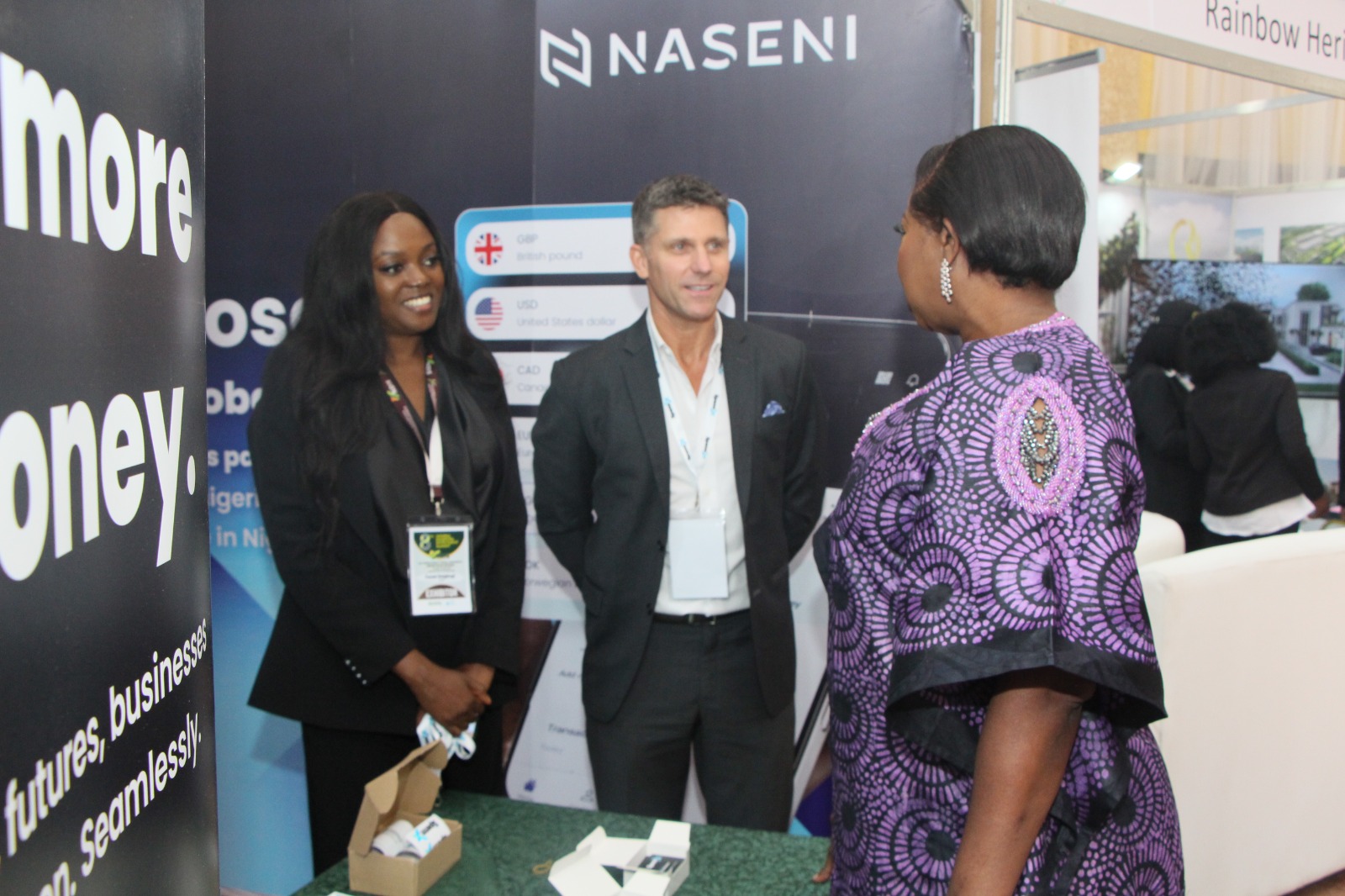
The three-day event, which featured pitch sessions by young innovators, attracted foreign and local investors, members of the National Assembly, state representatives, captains of industry, sponsors, and development partners,reaffirmed Nigeria’s determination to harness the full potential of its diaspora community as a driving force for economic growth and national transformation.