
The National Human Rights Commission (NHRC) has expressed concern over the continued surge in human rights violations across Nigeria, revealed that it received 406,088 complaints and monitored 160 incidents of abuses in October 2025 alone.
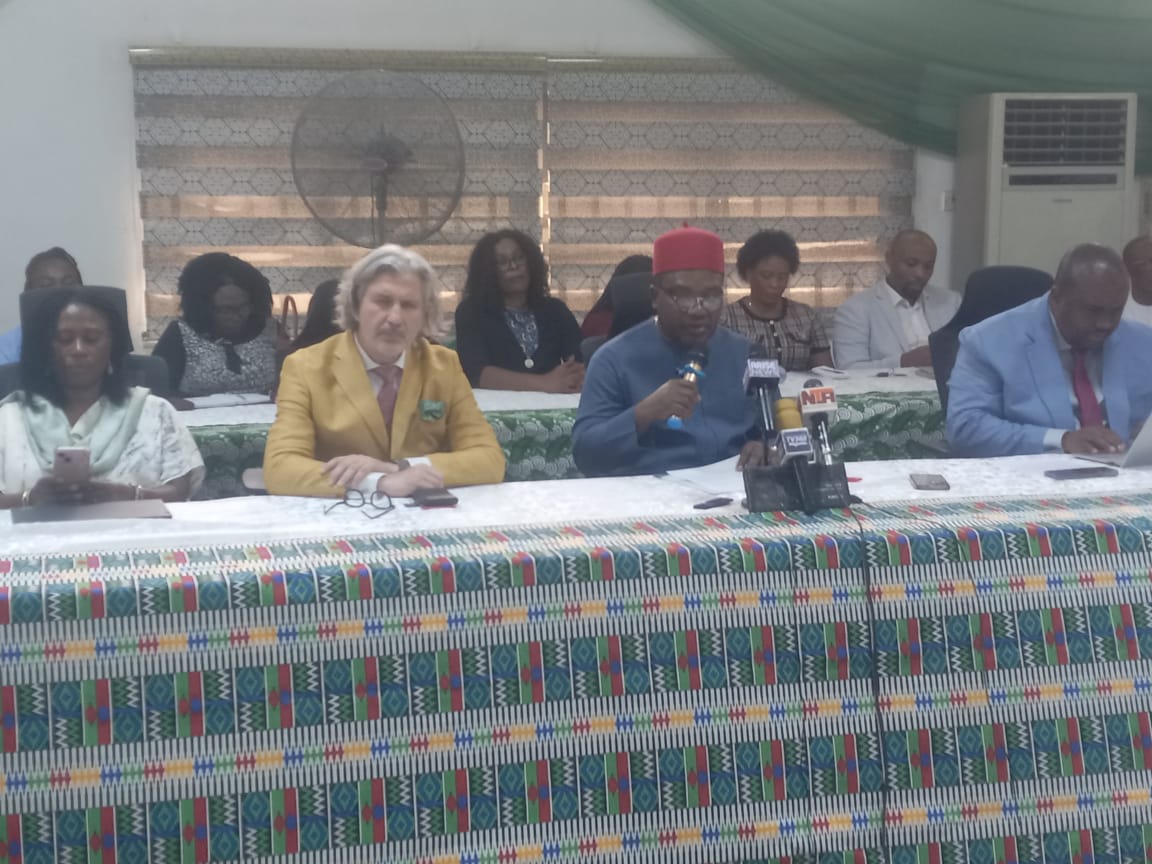
Executive Secretary of the Commission, Dr. Tony Ojukwu, disclosed this at the public presentation of the October 2025 Human Rights Situation Dashboard held on Monday in Abuja.
Ojukwu said that while there was a slight decline in killings and abductions compared to September, incidents of violence, sexual and gender-based abuses, and extrajudicial killings remained distressingly high. He described victims of insecurity and conflict as “not mere statistics but Nigerian mothers, fathers, and children whose dignity has been violated.”
He said the monthly dashboard now in its 22nd edition remain a critical tool for evidence-based advocacy, policy direction, and public accountability.
“Our mandate at the NHRC is to document these issues faithfully, amplify the voices of victims, and provide a reliable source of evidence that informs national response,” Ojukwu said.
He noted that although the Armed Forces have made progress, alarming levels of violence persist in Niger, Kaduna, Borno, Plateau, Kogi, and Kwara States, necessitating targeted intervention to protect vulnerable groups.
On the diplomatic front, Ojukwu reacted to recent statements by the United States threatening intervention over the killing of Christians in Nigeria, warned that terrorism affects both Christians and Muslims.
“Boko Haram and ISWAP kill Muslims and Christians alike. The common enemy is Boko Haram, not a religion. No life should be lost to extremism or criminality,” he emphasized.
He urged the international community to adopt a cooperative rather than coercive approach, saying, “Rather than threats, the U.S. and global partners should support Nigeria’s efforts to end terrorism and protect lives.”
Presenting the highlights of the October dashboard, Barr. Hillary Ogbonna, Human Rights Adviser to the Executive Secretary, disclosed that the NHRC recorded an 8 percent increase in complaints compared to September’s 371,000.
The North Central zone led with 170,173 complaints, followed by the North West and North East regions. The surge, Ogbonna said, was partly due to ongoing conflicts and the inclusion of multiple state-level monitoring points, including the FCT.
The top 10 states with the highest number of complaints were Benue, Abuja (FCT), Borno, Kaduna, Niger, Plateau, Taraba, Sokoto, Adamawa, and Police Headquarters.
The leading categories of violations include law enforcement misconduct, violations of human dignity, and gender-based discrimination, which topped other forms of discrimination such as political and religious bias.
Speaking on behalf of the United Nations Office of the High Commissioner for Human Rights (OHCHR), Ms. Kufor commended the NHRC for its consistency in tracking human rights trends and promoting transparency.
She said the UN was proud to partner with the NHRC, alongside agencies like UNDP, noting that the briefing “offered a valuable snapshot of what is happening in Nigeria” and serves as a basis for global engagement and accountability.
“This dashboard provides a clear overview of the human rights situation in Nigeria and allows stakeholders to make informed interventions,” Ms. Kufor said, while reaffirming the UN’s commitment to supporting Nigeria’s human rights architecture.
Also speaking, the EU and ECOWAS Ambassador to Nigeria congratulated the Commission on its 30th anniversary, praising it for three decades of service to the protection and advancement of human rights in Nigeria.
The envoy reaffirmed the European Union’s commitment to supporting the NHRC’s mission, describing the Commission as “a vital bridge between citizens and government,” and a crucial instrument for accountability, peace, and sustainable development.
“The EU recognizes the NHRC’s independence and effectiveness as foundational elements for safeguarding rights and freedoms worldwide,” the Ambassador said.
In his closing remarks, Ojukwu reiterated the Commission’s commitment to upholding the Paris Principles of independence, impartiality, and transparency.
He urged the media, civil society, and international partners to interpret the data responsibly and work collectively to advance a culture of respect for human rights and national cohesion.
“Only through collective responsibility can we ensure that our country navigates these challenging times while upholding the dignity and rights of every Nigerian,” he said.
The NHRC also appreciated its partners, including the UNDP, OHCHR, and the Government of Norway, for their support under the Tripartite Partnership Programme (TPP), as well as the media and state offices that contributed to the report.