
Nigeria and the Republic of Benin have agreed on a comprehensive trade framework aimed at enhancing cross-border commerce, dismantling trade barriers, and deepening regional economic integration in West Africa.
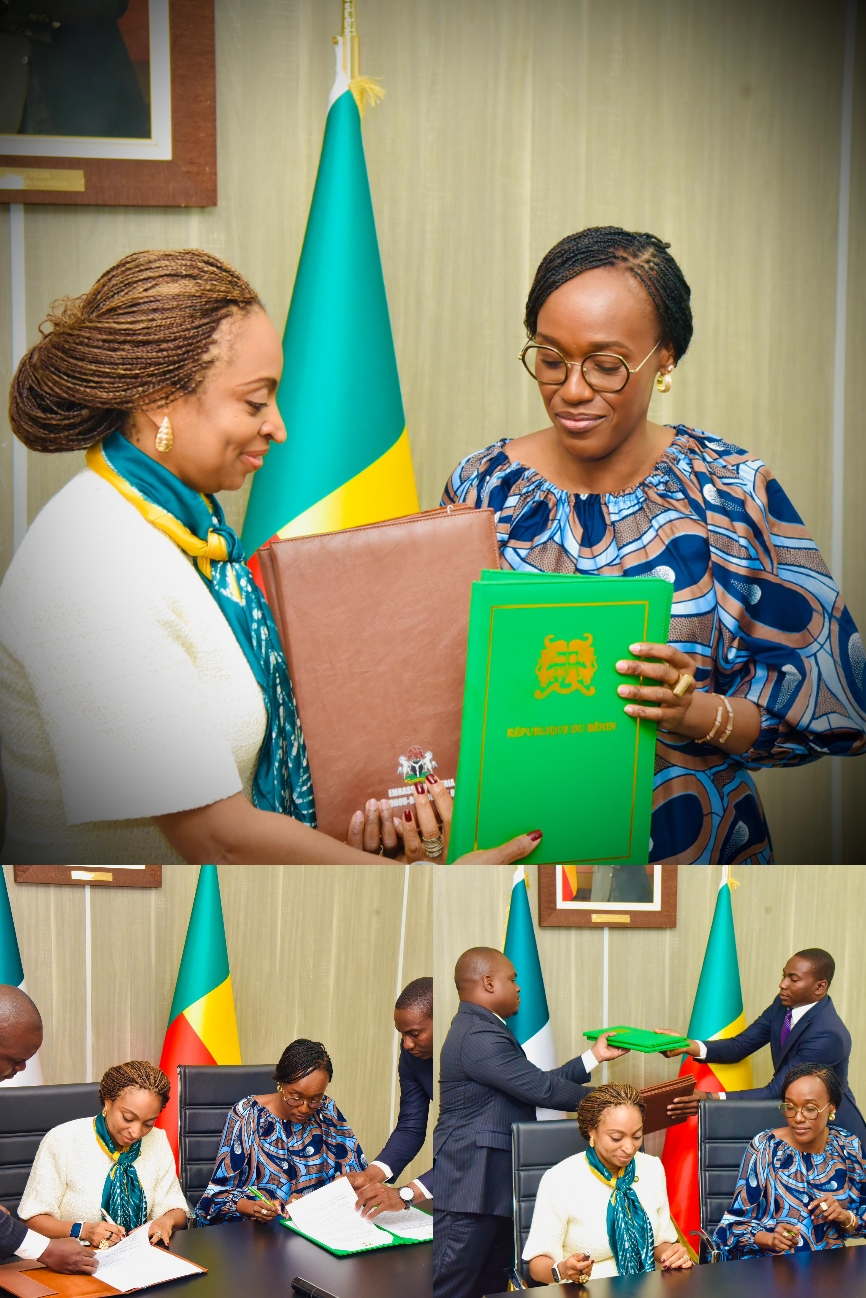
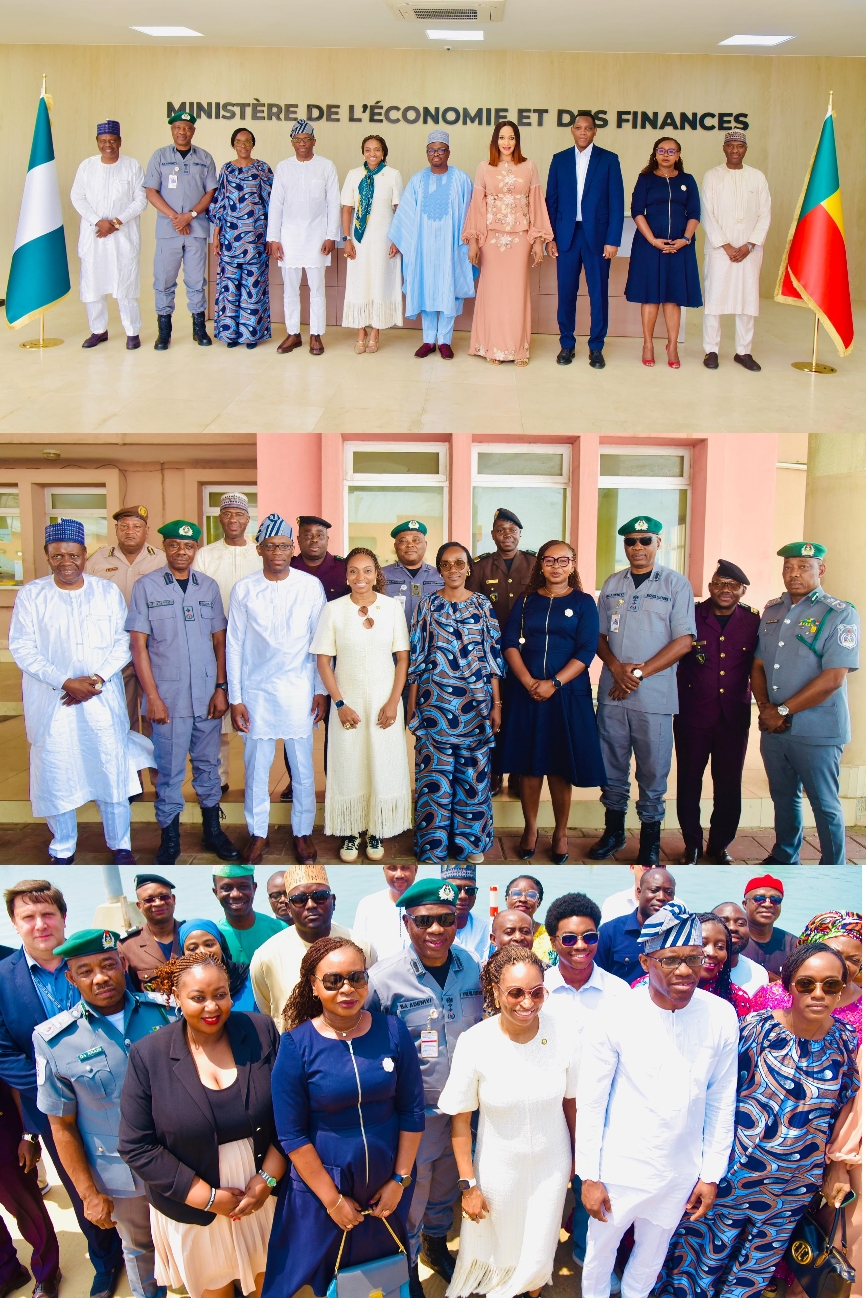
The agreement was reached during a high-level bilateral meeting held at the Ministère de l’Économie et des Finances, Cotonou, bringing together senior officials, customs chiefs, and trade experts from both nations.
Nigeria’s Minister of Industry, Trade, and Investment, Mrs. Jumoke Oduwole, described the agreement as a “bold step forward” in aligning both countries’ economic interests and strengthening sub-regional trade ties.
“This framework reflects strong political will to pursue a progressive and inclusive trade relationship,” she said, noting that Presidents Bola Ahmed Tinubu and Patrice Talon had earlier signed a preliminary Memorandum of Understanding (MoU) at the West African Economic Summit.
She explained that four thematic working groups covering trade facilitation, enforcement, data sharing, and infrastructure would drive implementation, guided by the presidential mandate to turn commitments into results.
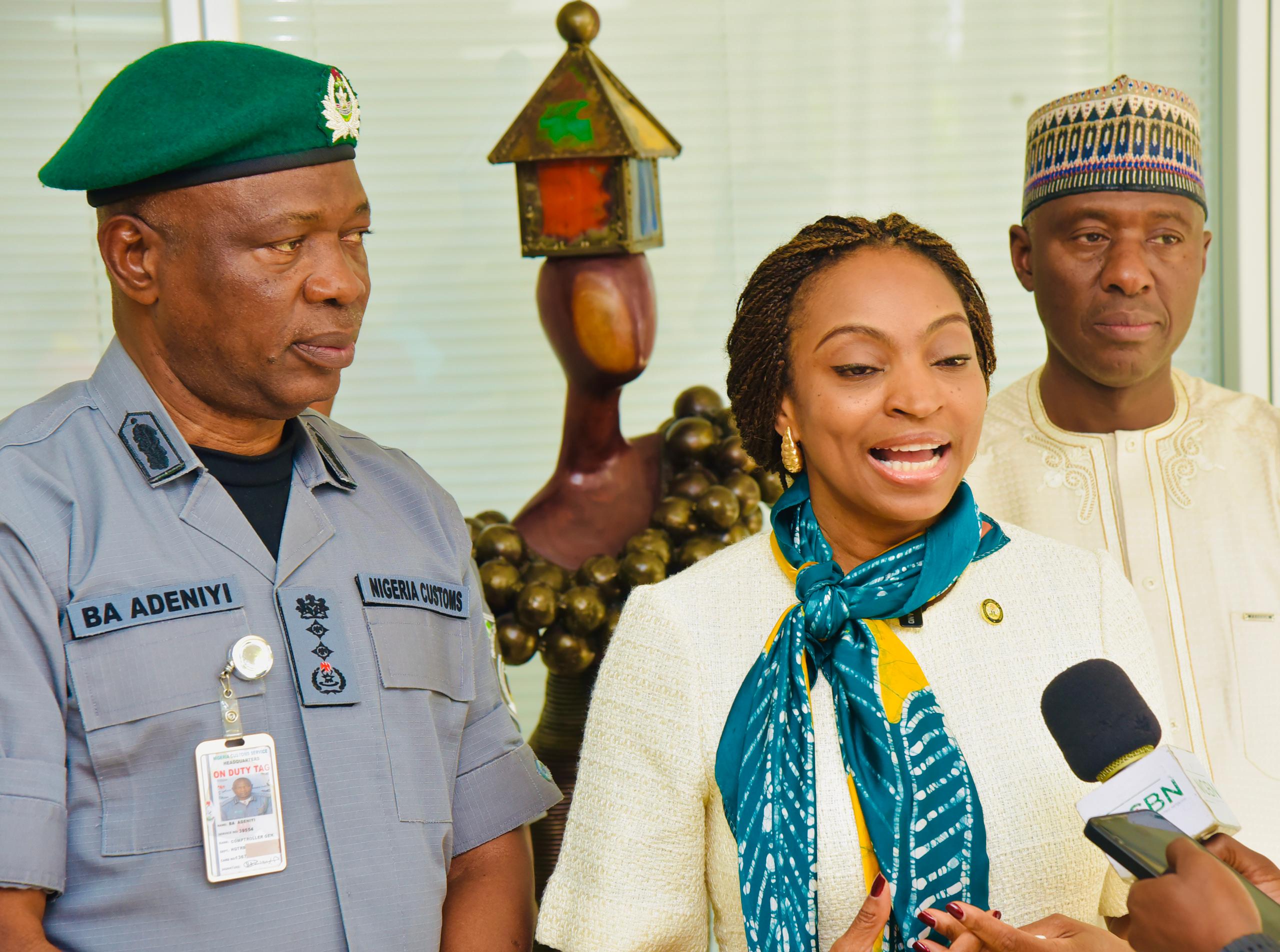
Also speaking, the Comptroller-General of the Nigeria Customs Service, Adewale Adeniyi, MFR, reaffirmed the Service’s commitment to implementing the framework in line with national trade priorities.
“This is the outcome of intensive technical deliberations between Nigeria and Benin Customs over the past 48 hours,” he said. “We have developed a joint framework that reflects the vision of our Presidents for inclusive economic growth.”
He disclosed that a formal MoU building on the framework would be signed by the first quarter of 2026 and outlined plans for corridor-based trade solutions and improved system interoperability to reduce delays and support small businesses.
Adeniyi also appreciated his Beninese counterpart, Mrs. Adidjatou Hassan Zanouvi, Director-General of Benin Customs, for her collaboration and support, including Benin’s endorsement of Nigeria’s leadership at the World Customs Organisation (WCO) Council meeting in Kinshasa.
As part of the engagement, both delegations toured the Port of Cotonou to assess ongoing port procedures and explore avenues for modernisation. They also visited the Seme-Krake Joint Border Post to reinforce their shared commitment to coordinated border management.
The new agreement is expected to usher in a new era of transparent, technology-driven, and mutually beneficial trade relations between the two West African neighbours.