
The Director-General of the National Information Technology Development Agency (NITDA), Kashifu Inuwa, has reaffirmed Nigeria’s commitment to becoming a key player in the global artificial intelligence (AI) landscape.
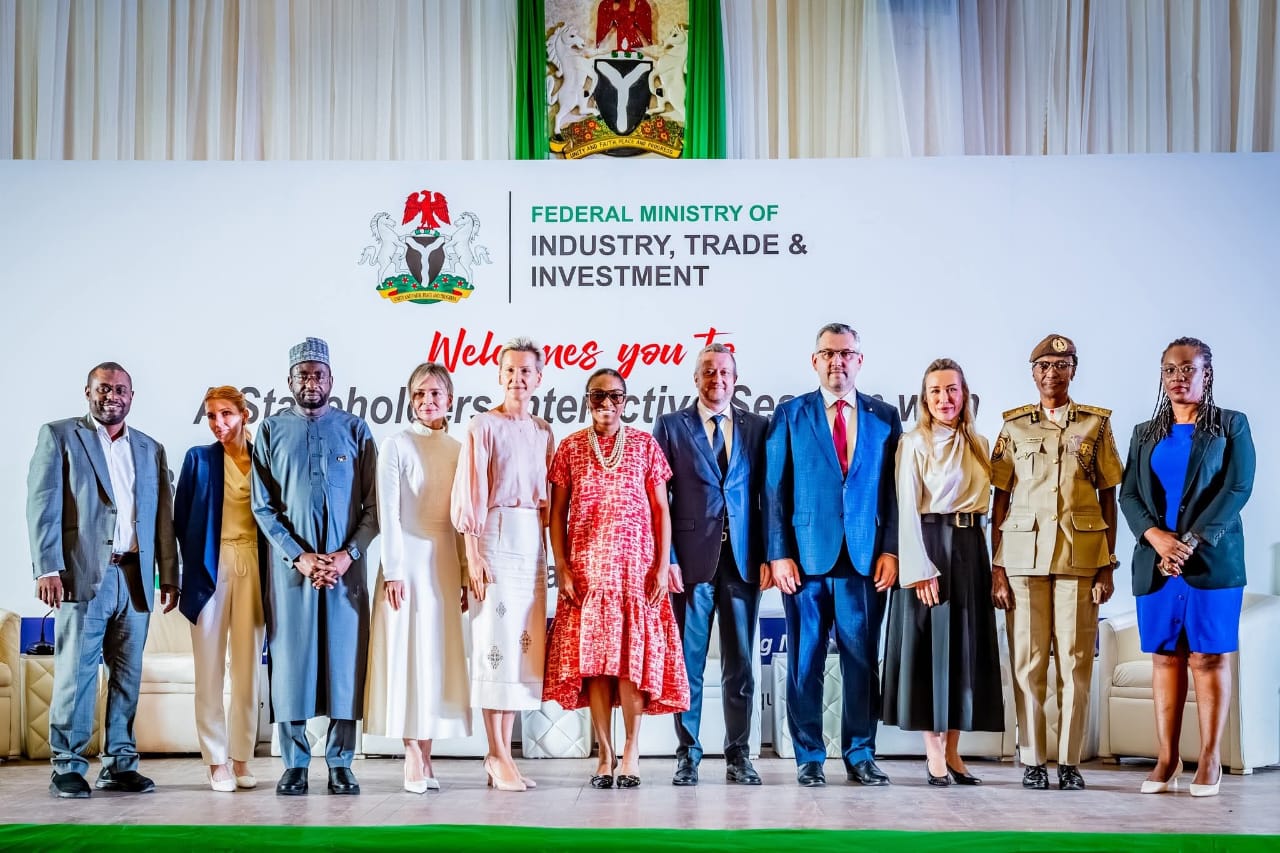
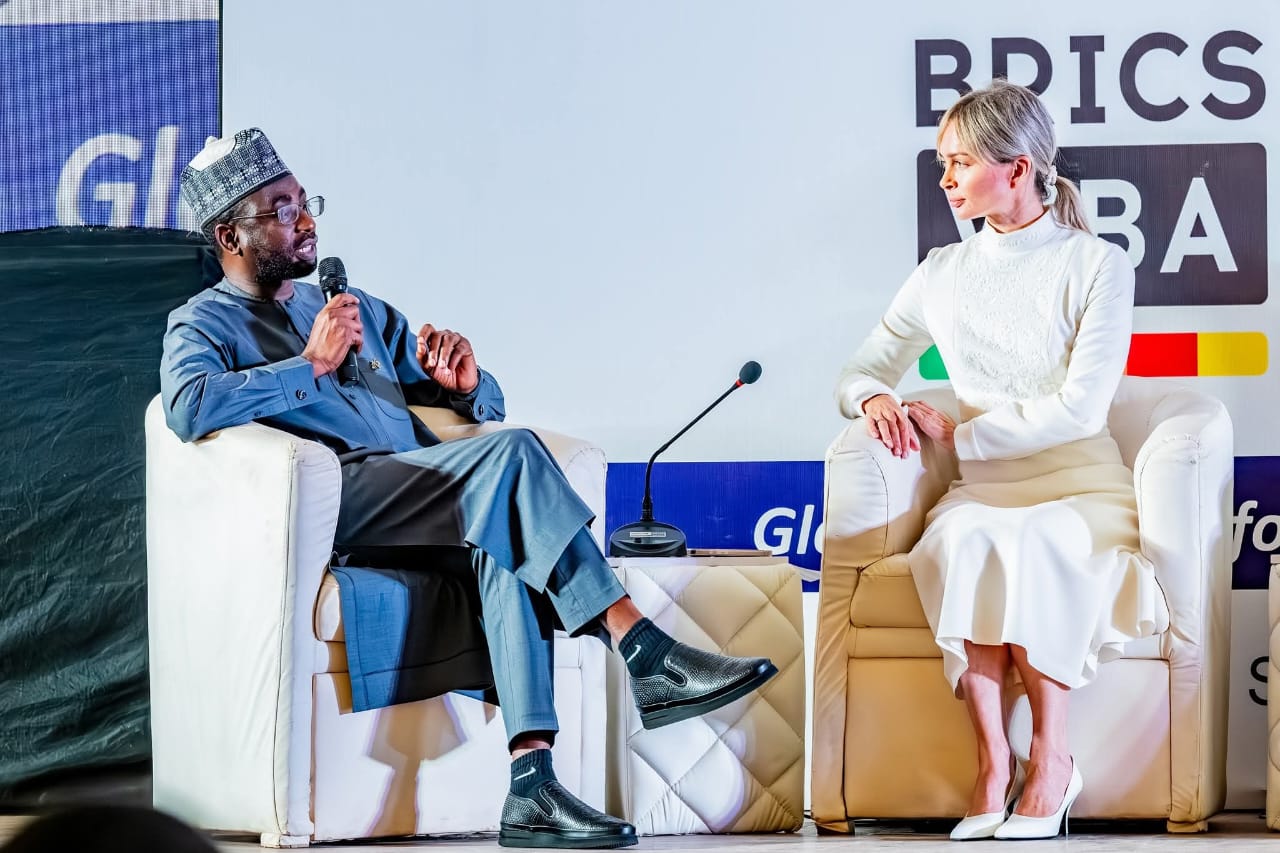
Speaking at the Stakeholders’ Interactive Engagement with the BRICS Women’s Business Alliance at the State House in Abuja, Inuwa outlined Nigeria’s strategic roadmap for emerging technologies, anchored in President Bola Ahmed Tinubu Inuwa’s remarks during the event.
According to Inuwa, the President Bola Ahmed Tinubu’s Renewed Hope Agenda places strong emphasis on economic diversification and inclusivity, with priority number seven focusing on accelerating industrialization, digitalization, creative industries, manufacturing, and innovation. This vision has informed the Ministry of Communications, Innovation and Digital Economy’s roadmap and guides NITDA’s ongoing initiatives to transform Nigeria into a digital powerhouse in Africa.
The National AI Strategy is at the heart of Nigeria’s AI ambition, laying out a clear pathway for the country’s technological future. The strategy prioritizes building foundational infrastructure, including expanding connectivity, developing sovereign cloud platforms, and creating clean and representative national datasets. A significant milestone in this journey is the launch of Nigeria’s Multilingual Large Language Model, which ensures that African languages and cultures are represented in the AI of the future.
Inuwa emphasized the importance of nurturing the ecosystem by empowering startups and innovators, anchored by the Nigerian Startup Act, which provided a legal and institutional framework for growth. “Innovation does not happen in isolation. You need an ecosystem that connects government, innovators, investors, and global partners. Through our startup policies, we are not just encouraging entrepreneurship; we are deliberately prioritizing inclusivity and giving women founders the space to thrive,” he added.
The integration of AI into key industries such as healthcare, agriculture, manufacturing, and education is expected to radically boost productivity. Inuwa explained that AI will not replace humans, but rather enhance human endeavor. “With AI, we can achieve ten times the productivity we are seeing today. Imagine what it means when our doctors can diagnose faster, our farmers can predict yields better, and our manufacturers can cut inefficiencies. That is the kind of leap Nigeria is preparing for,” he stated.
Inclusivity is a core aspect of Nigeria’s AI strategy. Inuwa stressed that technology should not leave vulnerable groups behind and that the government insists on at least 40% women representation in its initiatives. “If you are digitally invisible, AI will not consider you in its decision-making. That is why inclusivity is not optional it is central. In every one of our initiatives, we insist on at least 40 percent women representation, because we cannot build a future that excludes half of our population,” he said.
Strong governance and regulation are also critical components of Nigeria’s AI strategy. The country is co-creating its AI governance framework with the ecosystem to ensure sustainability and responsible leadership. “We cannot build this future in silos. We are working hand in hand with innovators, industry leaders, and the global community to create policies that safeguard innovation while protecting citizens. This is how Nigeria will lead responsibly,” Inuwa emphasized.
With this bold vision, Nigeria is sending a clear message to the world: the country is not waiting to be carried along in the AI revolution but is building the future and inviting others to innovate alongside it. “Our journey is not just about technology; it is about people, prosperity, and positioning Nigeria as a global leader in shaping the future of artificial intelligence,” Inuwa concluded.