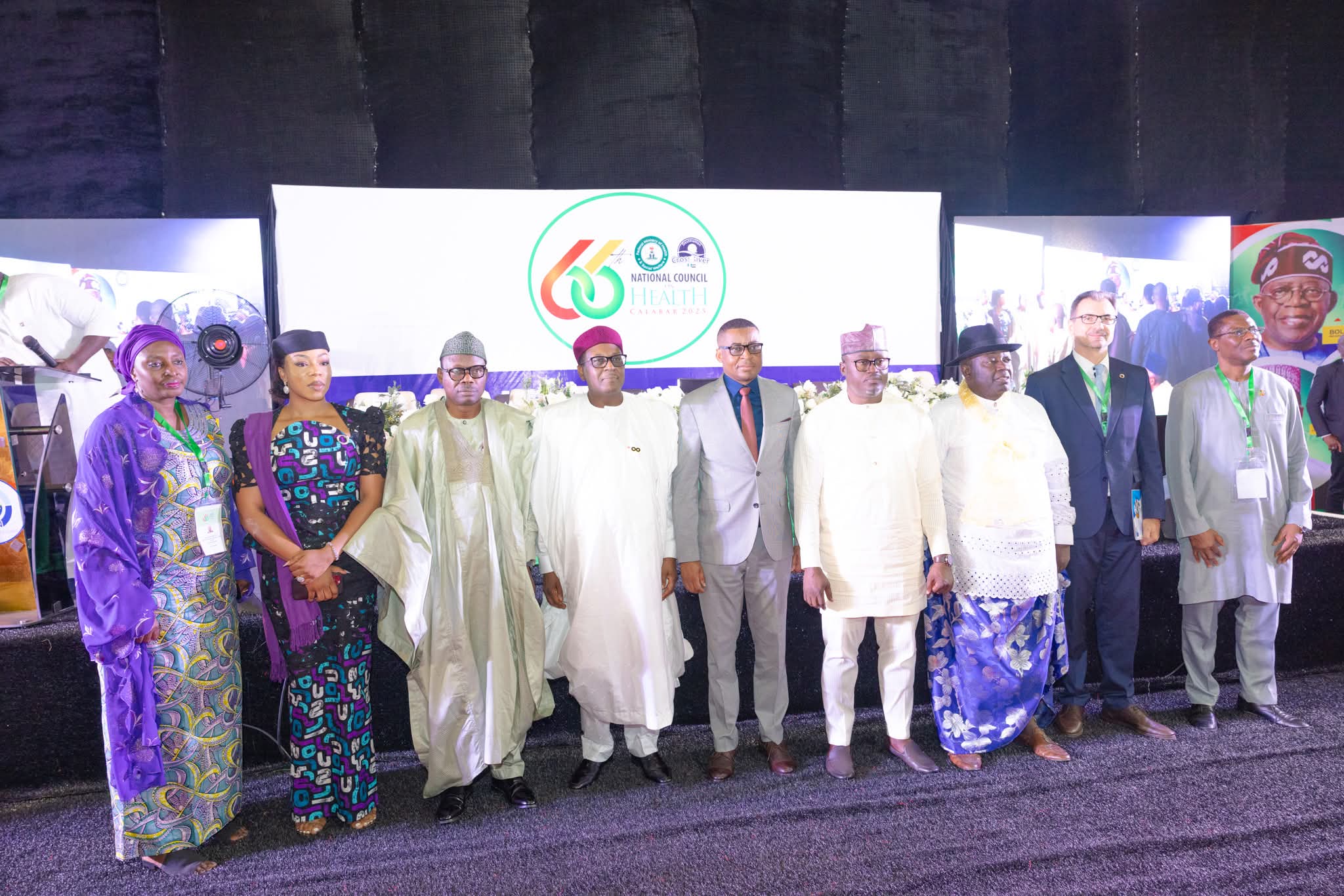
Nigeria’s health sector took a major step forward as the 66th National Council on Health (NCH) concluded its week-long session at the Calabar International Convention Centre from November 17–21, 2025. The event brought together 1,243 delegates, including federal and state health officials, development partners, civil society representatives, regulatory bodies, and medical corps from the armed forces and para-military agencies.
Presided over by the Coordinating Minister of Health and Social Welfare, Prof. Muhammad Ali Pate, the Council focused on the theme, “My Health, My Right: Accelerating Universal Health Coverage Through Equity, Resilience, and Innovation.”
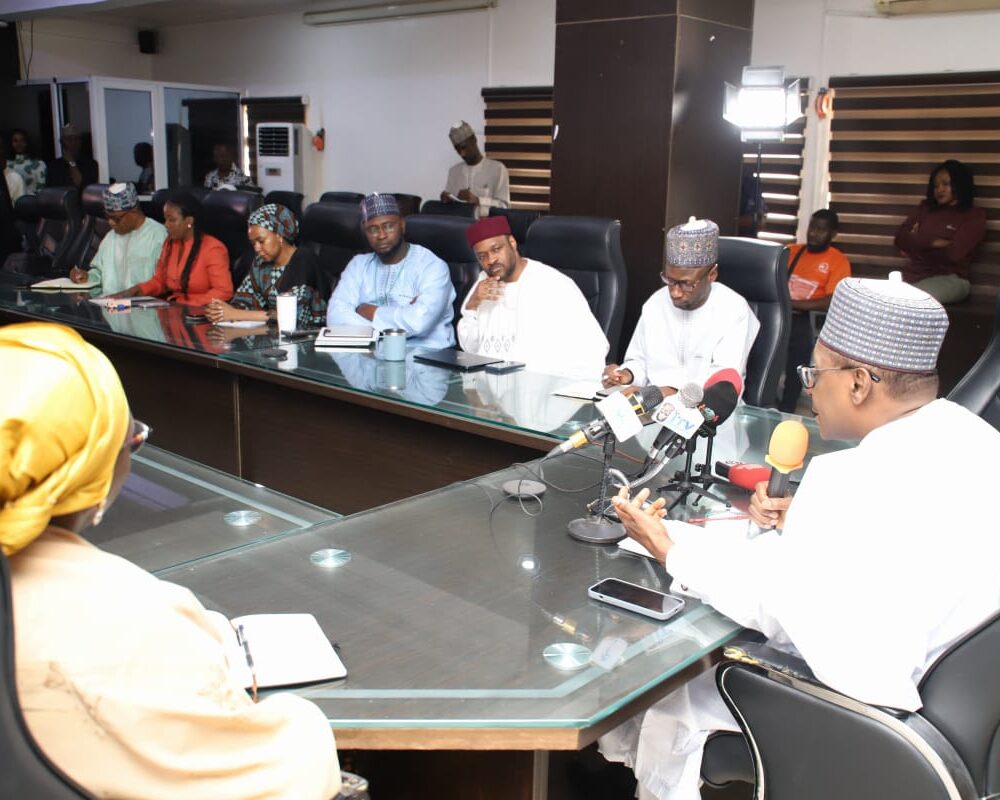
The proceedings began with a two-day technical session chaired by Permanent Secretary Daju Kachollom, during which 92 memoranda were reviewed. Presentations from UNFPA and UNICEF highlighted maternal and neonatal mortality and the country’s nutrition-related health challenges.
The formal council session opened on November 20 with goodwill messages from the World Health Organization, UNFPA, and civil society organizations. Cross River State Commissioner for Health, Dr. Henry Egbe Ayuk, welcomed delegates, followed by opening remarks from the Minister of State for Health and Social Welfare, Dr. Iziaq Salako. Prof. Pate delivered the keynote address, and the meeting was officially declared open by the Deputy Governor of Cross River State, Rt. Hon. Peter Odey. The World Health Organization also donated vehicles and medical equipment to support state health initiatives.
During the session, council members reviewed the implementation status of resolutions from the 65th NCH and noted that while some states had made progress, overall implementation remained below expectations. The Council emphasized the need for improved monitoring and communication between federal and state health authorities to enhance outcomes.
Significant policy decisions and initiatives were announced, covering areas such as universal health coverage, cervical cancer prevention, nutrition, health workforce development, clinical mentorship, emergency preparedness, digital health transformation, and community-based interventions. The Council also called for stronger collaboration between federal and state authorities and development partners to ensure that health programs reach all Nigerians equitably.
The meeting concluded with an emphasis on accountability, capacity development, and strengthening the country’s health system to better respond to emergencies and improve service delivery. Thirty-five Commissioners of Health and representatives from the Federal Capital Territory participated in the deliberations. The Council announced that the 67th National Council on Health will be held in Nasarawa State in 2026.