
The Nigeria Customs Service (NCS) has strengthened its drive to boost small-scale cross-border trade through a strategic engagement with the African Continental Free Trade Area Secretariat on the implementation of the Simplified Trade Regime (STR).
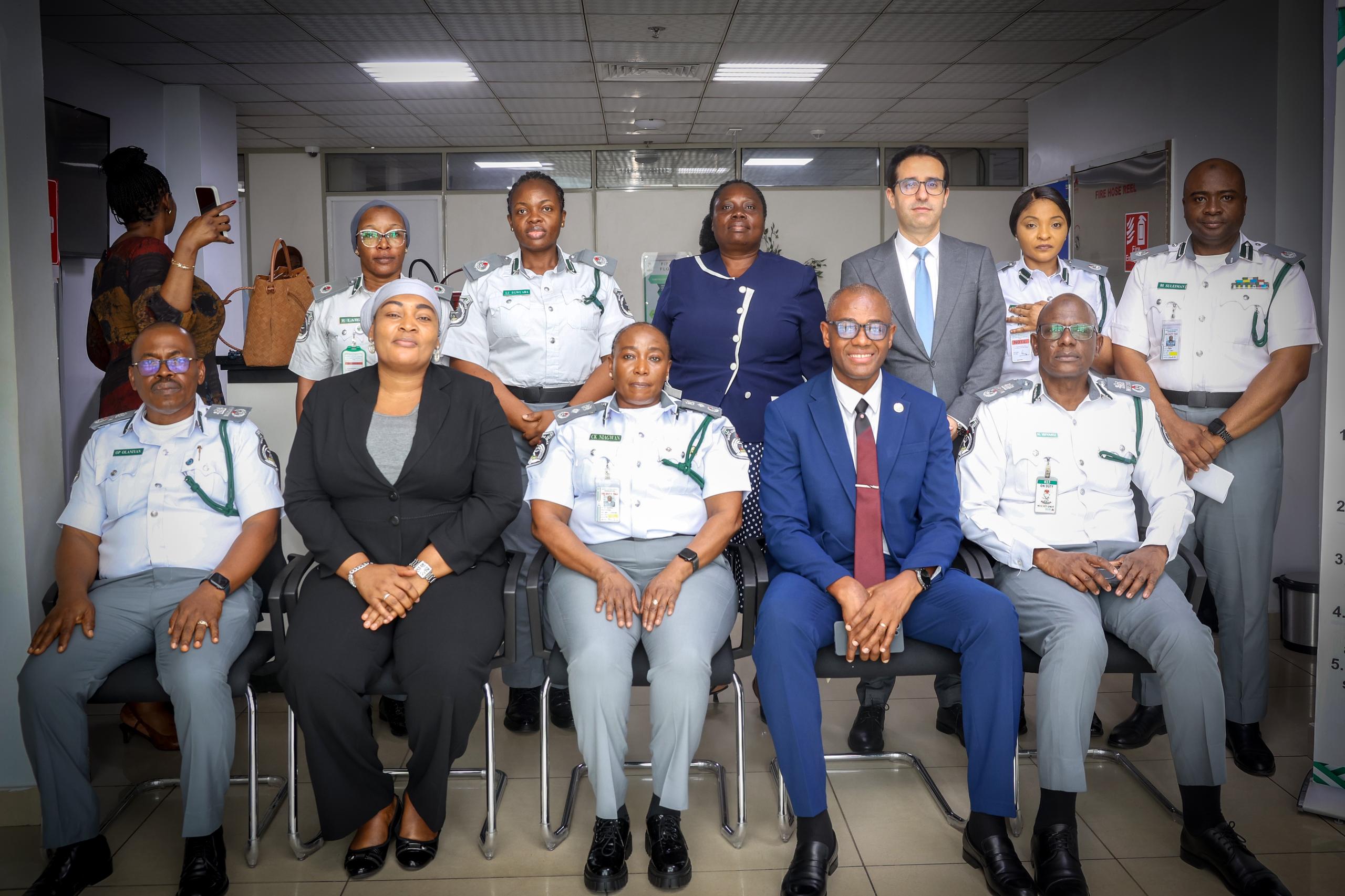
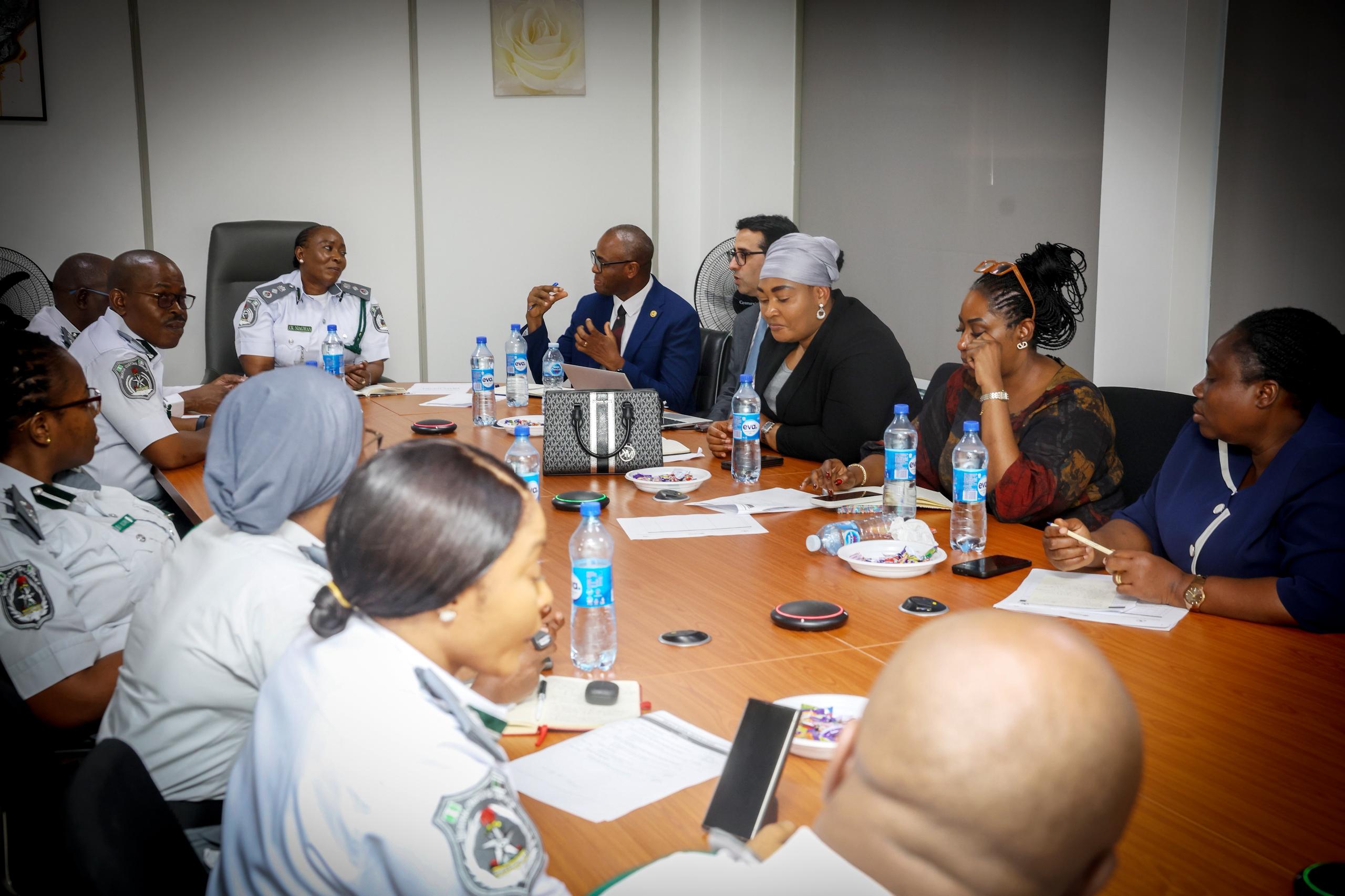
The high-level meeting, held on March 23, 2026, at the Service’s headquarters in Maitama, Abuja, centred on practical steps to simplify customs procedures and expand opportunities for Micro, Small, and Medium Enterprises (MSMEs) operating across borders.
Representing the Comptroller-General of Customs, the Deputy Comptroller-General in charge of Tariff and Trade, Caroline Niagwan, reiterated the Service’s commitment to building a more inclusive and transparent trade environment.
She said the initiative is aimed at removing bottlenecks that hinder small traders while maintaining compliance with both national and regional trade regulations.
“Our goal is to make trade easier, more transparent, and inclusive for small-scale traders,” she stated, noting that simplified systems would enhance participation in formal trade channels.
Leading the AfCFTA delegation, Pedro Estevao, underscored Nigeria’s strategic importance as the pilot country for the STR in West Africa. He observed that the country’s large market size places it at the forefront of driving regional economic integration and inclusive growth.
As part of the engagement, the NCS presented a draft Standard Operating Procedure (SOP) designed to streamline customs processes. The proposal covers informal cross-border trade, passenger baggage, and low-value e-commerce transactions, with an emphasis on digital declaration systems and risk-based controls.
Also speaking, AfCFTA consultant Nabil Zibani highlighted the need for accessible and simplified frameworks that would enable MSMEs to comply with customs requirements without undue burden.
Deliberations at the meeting revealed strong alignment between the NCS draft SOP and the broader AfCFTA framework, particularly in simplifying documentation, deploying digital platforms, introducing de minimis thresholds for low-value goods, and promoting inclusive trade for women and small businesses.
Both parties agreed to sustain technical engagements to refine the implementation strategy, tackle operational challenges, and ensure seamless alignment between Nigeria’s national procedures and continental trade objectives.
The development mark a critical step in positioning Nigeria as a leader in the rollout of the Simplified Trade Regime under AfCFTA, while reinforcing the NCS’s commitment to facilitating legitimate trade, deepening regional integration, and unlocking economic opportunities for small-scale traders across Africa.