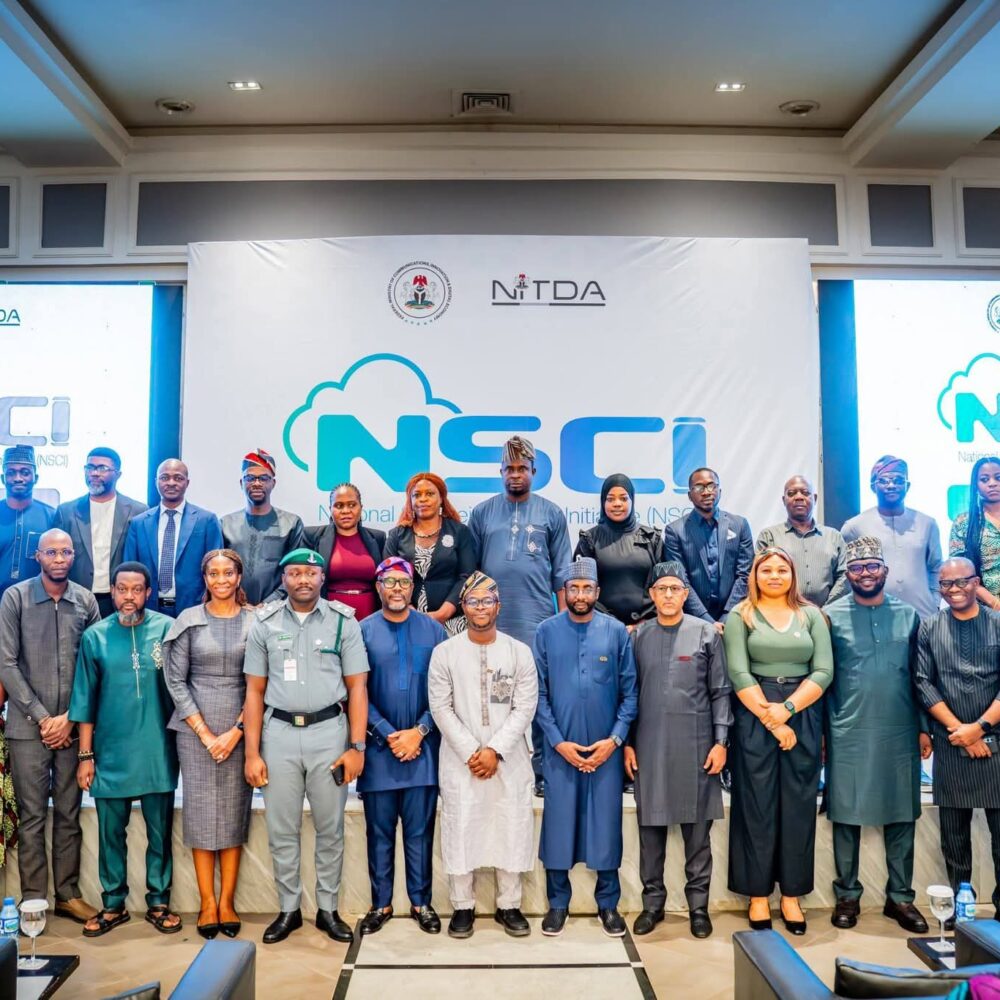

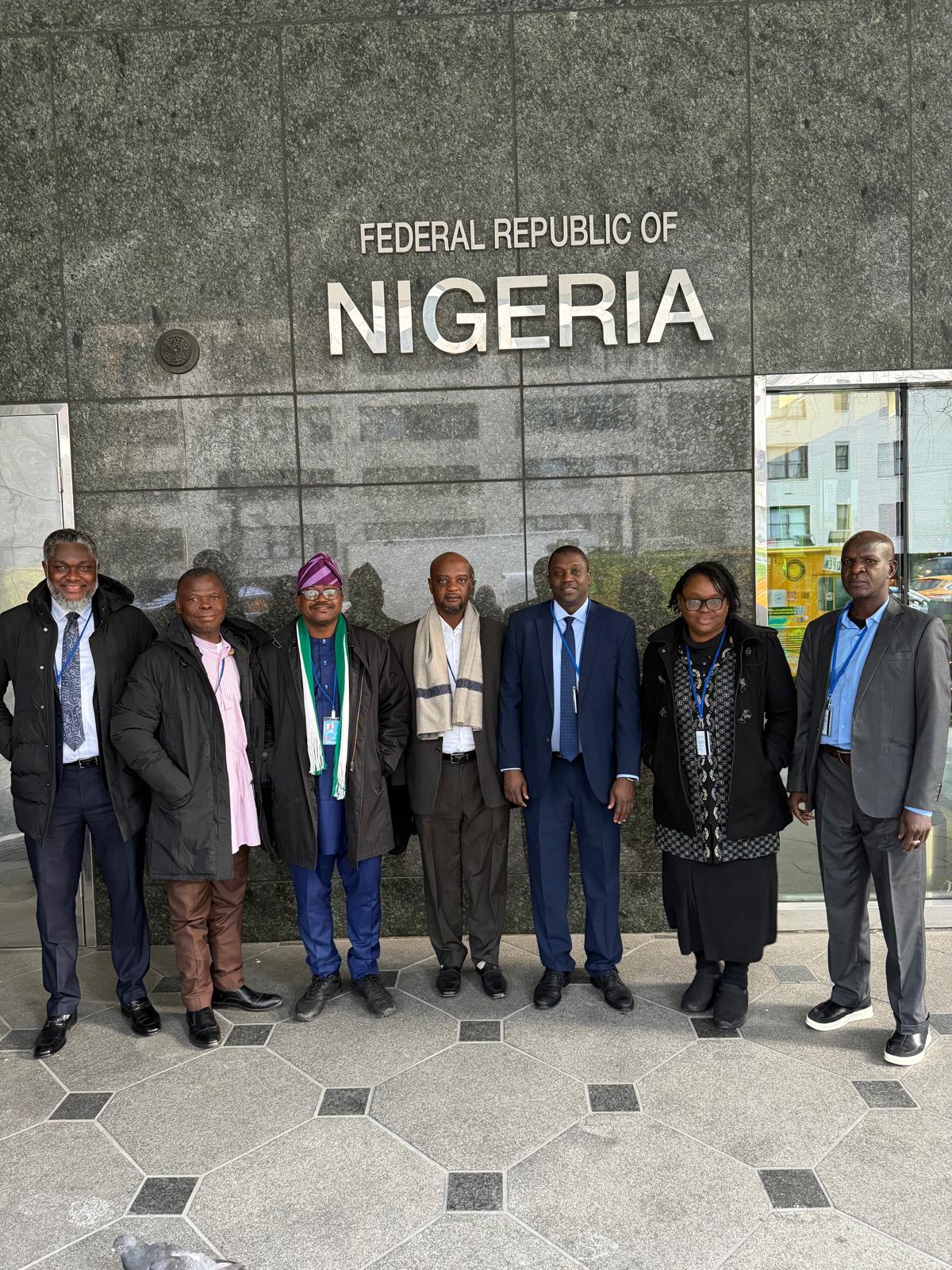
Nigeria has taken a bold step to lead the global digital agenda by unveiling a comprehensive strategy to localise WSIS+20 commitments, aimed to accelerate national transformation through robust digital infrastructure, transparent internet governance, and enhanced cybersecurity.
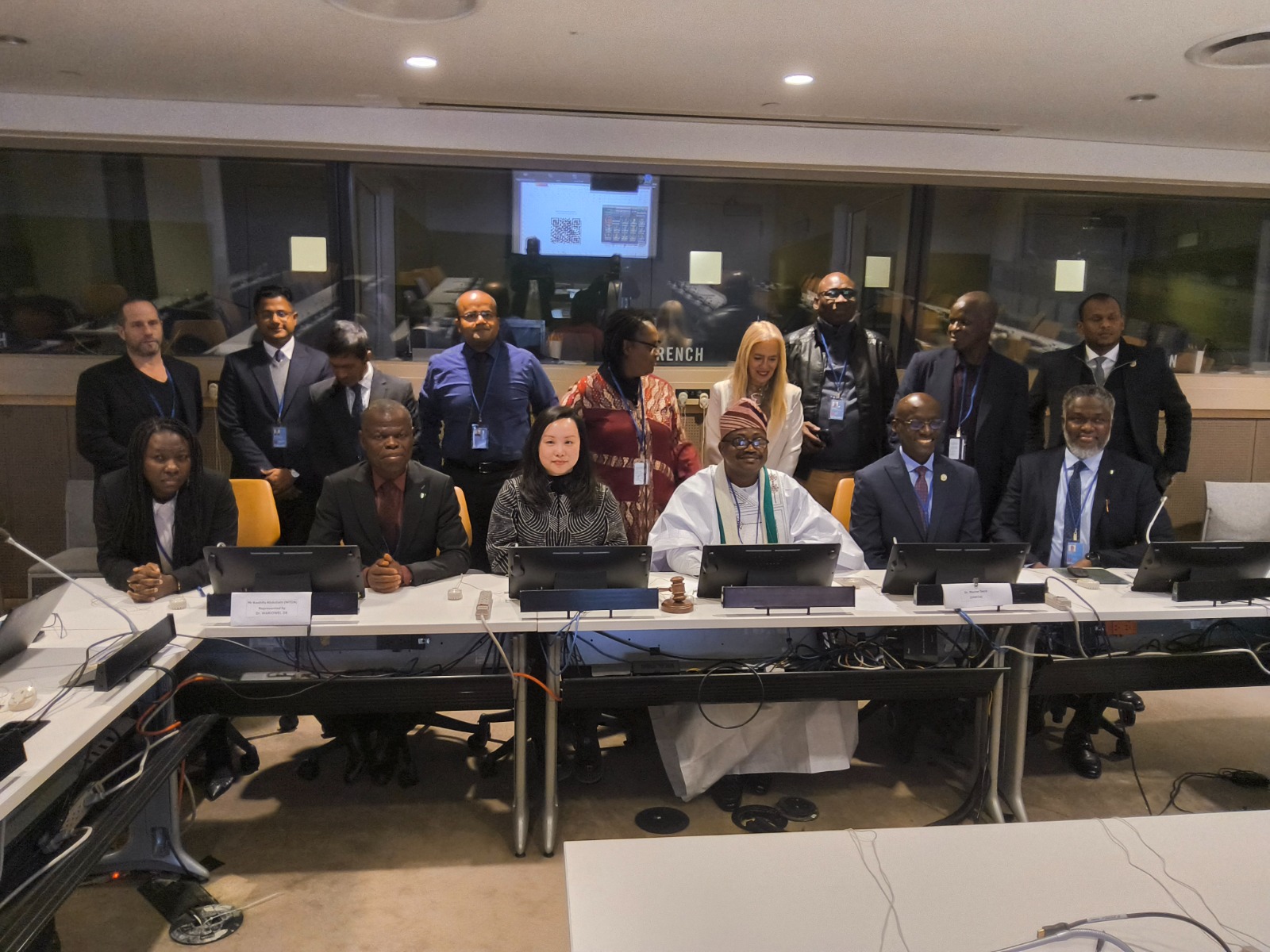
Unveiled in New York during the high-level side event titled “Re-Imagining Digital Cooperation for Sustainable Development: From WSIS+20 Vision to Local Action,” the strategy positions Nigeria as a key architect in shaping the future of digital development.
The Director General of the National Information Technology Development Agency (NITDA), Kashifu Inuwa, CCIE, represented by Dr. Dimie Shively Wariowei, highlighted that Nigeria’s approach aligned with the four core activity areas of the ongoing WSIS+20 review. These areas provided a framework for translating global digital commitments into measurable national outcomes, driving inclusive growth and sustainable development.
Inuwa emphasised the importance of digital infrastructure as the foundation for localising WSIS+20 goals, noted challenges in connectivity, affordability, and digital literacy. To address these gaps, Nigeria is adopting Public-Private Partnership (PPP) models, including a major 90,000-kilometre fibre-optic project in collaboration with the World Bank.
He also noted that the current National Broadband Plan is nearing completion, with plans to renew it for the next five years to strategically increase broadband penetration as a catalyst for digital access and economic growth.
On internet governance, Inuwa referenced Nigeria’s active participation in the Internet Governance Forum (IGF) and highlighted the multi-stakeholder model that fosters informed policy dialogue across government, private sector, civil society, and technical communities.
Cybersecurity remained a critical pillar of Nigeria’s strategy, with ongoing efforts to strengthen the legal framework through a revised Cybersecurity Act currently awaiting parliamentary approval.
Nigeria also aimed to lead digital cooperation across Africa through inclusive, multi-stakeholder engagement, stressing the importance of reliable national data for tracking progress and showcasing Africa’s digital development globally.
Stakeholders, including Ms. Jennifer Chung, Co-Convener of the Informal Multi-Stakeholder Sounding Board (IMSB), commended Nigeria’s efforts, praising the broad-based delegation and commitment to meaningful implementation of WSIS+20 outcomes. She highlighted the significance of localised follow-up mechanisms, broadband expansion, and inclusive participation in emerging technologies to ensure no region is left behind.
The WSIS+20 review process, Chung noted, represented a critical step in evidence-based evaluation and effective monitoring, with Nigeria setting an example for other developing economies in Africa and beyond.