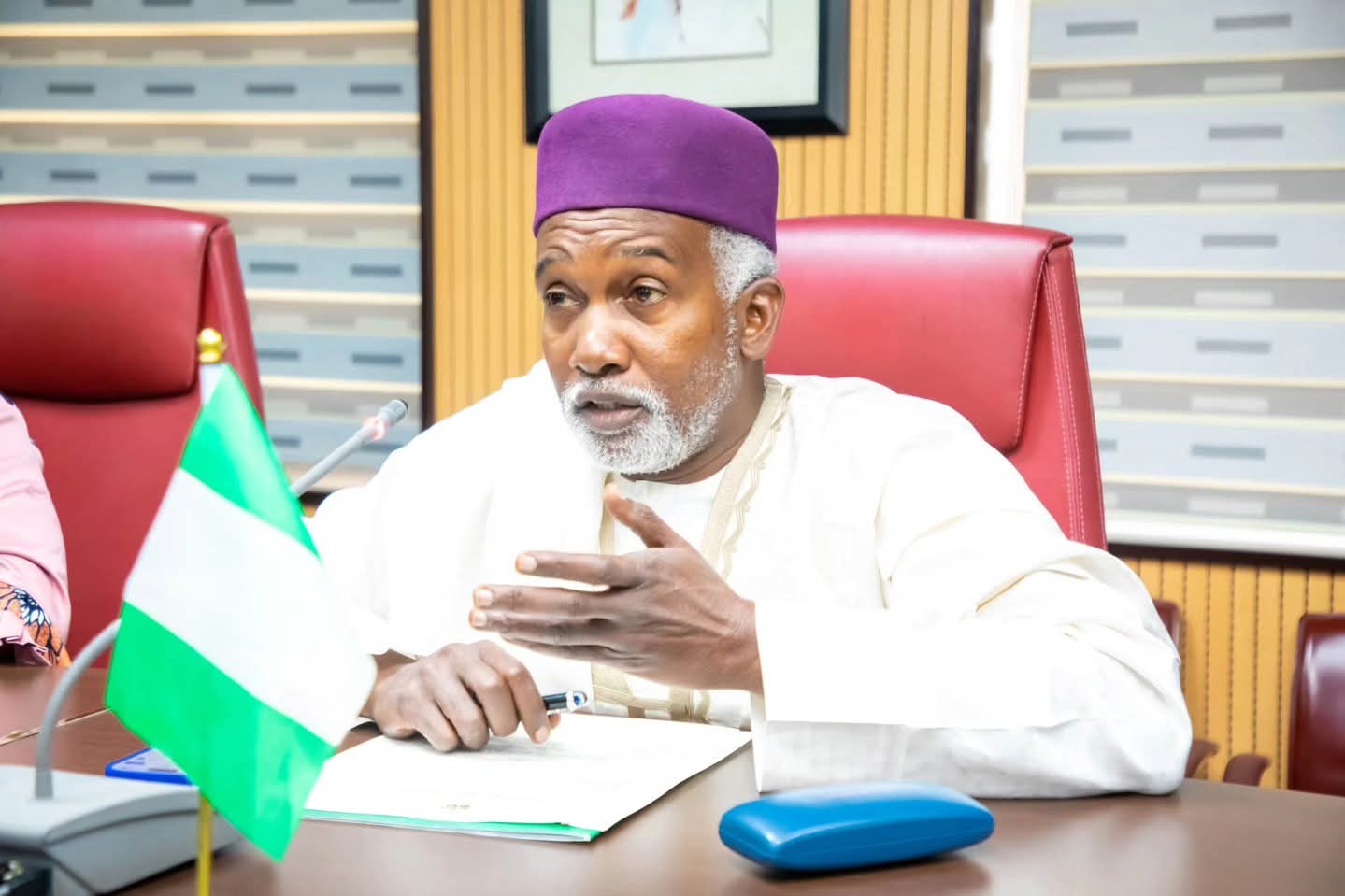
Nigeria’s Minister of Foreign Affairs, Ambassador Yusuf Maitama Tuggar, has called for a shift from aid dependency to investment-driven growth anchored on gender inclusivity and youth empowerment as key to Africa’s sustainable development.
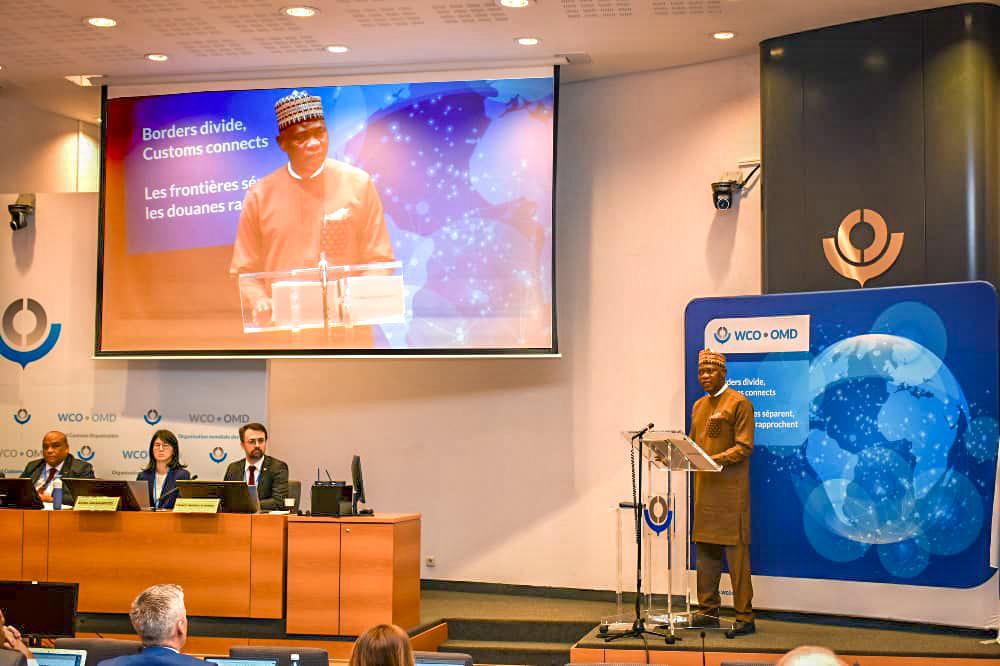
He made the call while delivering the keynote address at the Policy Innovation Centre’s High-Level Plenary of the 2025 Gender Summit, themed “From Aid to Investment: Leveraging Economic Diplomacy for Africa’s Inclusive Development.”
Ambassador Tuggar stressed that economic diplomacy must remove barriers for women, youth, and marginalized groups, while also fostering collaboration among governments, the private sector, and civil society. He noted that Africa’s transformation potential is vast, with a combined GDP of $2.8 trillion and a population projected to reach 2.5 billion by 2050.
Quoting UNESCO’s 2024 report, the Minister decried the persistent gender gaps in education and governance, highlighting that 7.6 million Nigerian girls remain out of school, while women occupy only 4.2 per cent of seats in Nigeria’s National Assembly. He recalled a Council on Foreign Relations report predicting that Nigeria’s GDP could grow by 23 per cent, or $229 billion, by 2025 if women’s participation in the economy matched that of men.
“Growth without inclusivity is fragile, and prosperity without equity is unsustainable,” Tuggar declared.
He outlined Nigeria’s recalibrated foreign policy under President Bola Ahmed Tinubu’s 4-D Diplomacy Agenda—Development, Demography, Diaspora, and Democracy designed to prioritize women and youth inclusion. He also referenced Nigeria’s hosting of the West Africa Economic Summit (WAES), which underscored commitments to dismantling barriers to women’s economic empowerment across the subregion.
The Minister further urged stakeholders to support the proposed Gender and Inclusion Framework for Economic Diplomacy (GIF-ED) and the Purple Book of Action Plans 2025, stressed that inclusion should not be treated as charity but as the foundation of a prosperous and stable Africa.
“Equity is not optional. Inclusion is not charity. They are the foundations of a prosperous, stable, and sustainable Africa,” Tuggar concluded.