
Nigeria has reaffirmed its commitment to the effective implementation of the African Continental Free Trade Area (AfCFTA) while mobilising a coordinated national strategy to project a strong voice at the forthcoming 14th WTO Ministerial Conference (MC14).
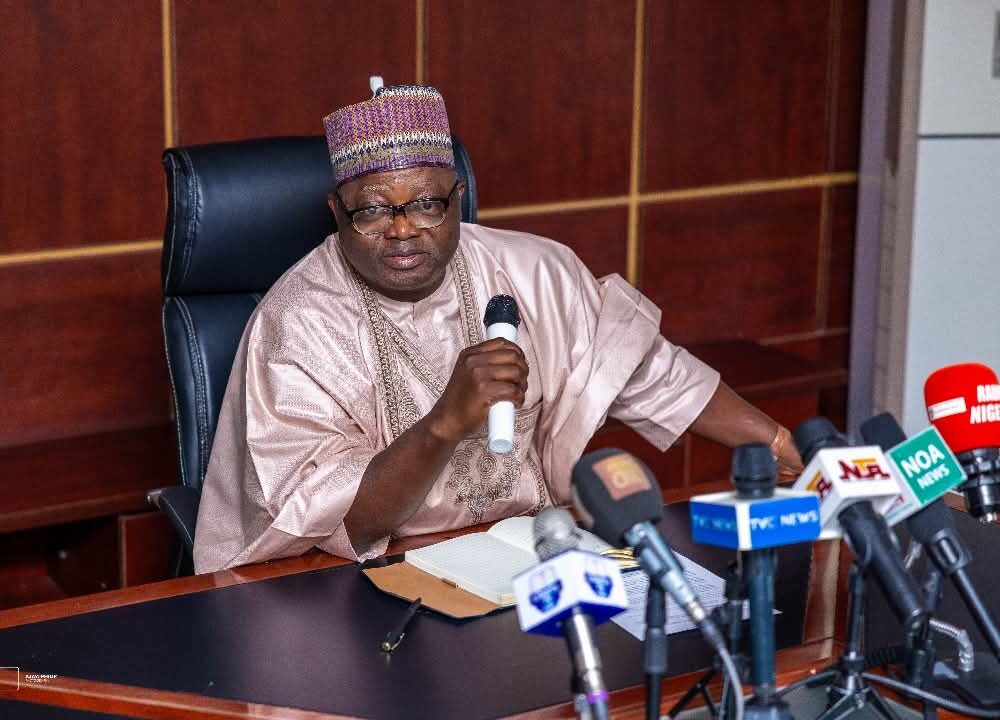
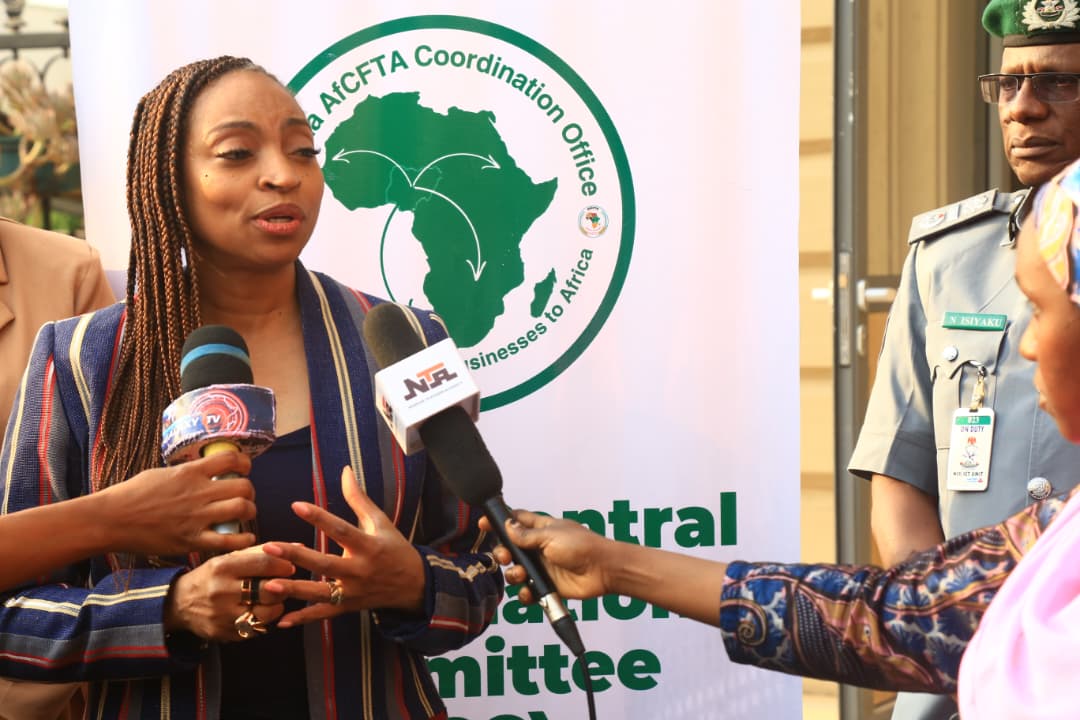
The pledge was made by the Minister of Industry, Trade and Investment, Jumoke Oduwole, during the 2026 first-quarter meeting of the AfCFTA Central Coordination Committee held in Abuja. She described the committee as the “engine room” responsible for driving Nigeria’s AfCFTA delivery and commended members for their commitment throughout 2025.
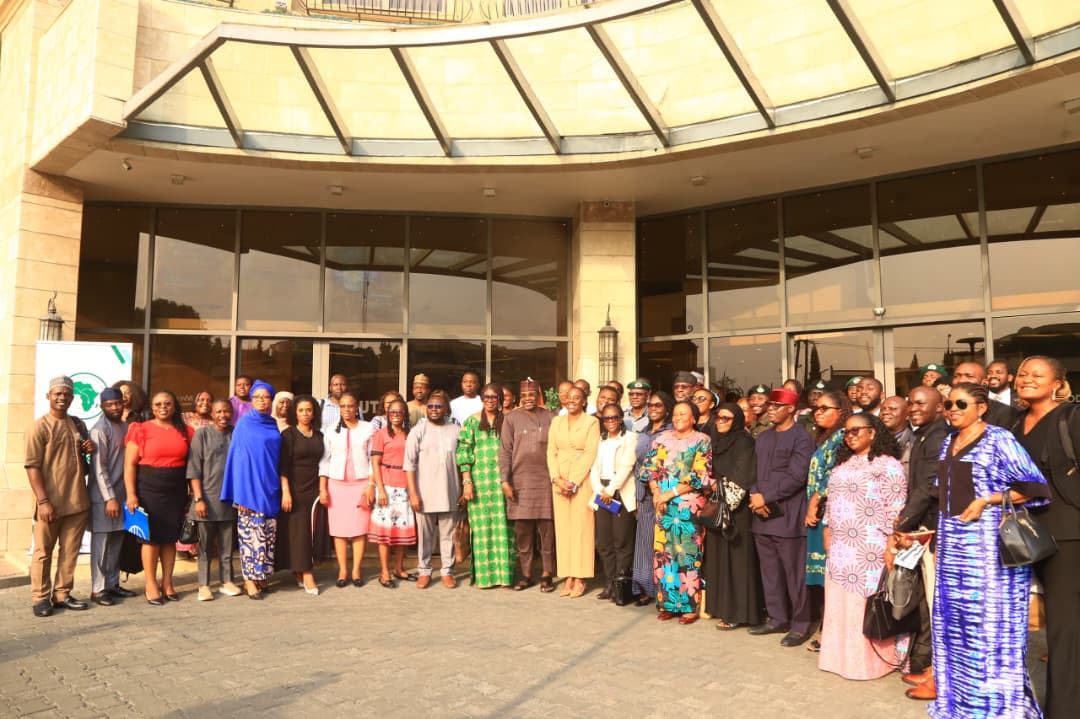
Oduwole noted that the recent release of Nigeria’s AfCFTA implementation scorecard demonstrates the government’s commitment to transparency and accountability in tracking progress under the continental trade pact.
The minister also highlighted Nigeria’s participation in high-level consultations in Maputo, Mozambique, where African trade ministers met with the Director-General of the World Trade Organization, the Secretary-General of the AfCFTA Secretariat and representatives of the African Union to align Africa’s common position ahead of MC14 scheduled to hold in Yaoundé, Cameroon.
According to her, Nigeria is adopting a “whole-of-country and whole-of-economy” approach in preparing for the conference, with participation from private sector stakeholders, trade associations, customs authorities, standards agencies and relevant government institutions under the coordination of the Federal Ministry of Industry, Trade and Investment.
She identified Nigeria’s key priorities at MC14 to include e-commerce, investment facilitation for development, agriculture and trade reforms capable of stimulating national economic growth.
Oduwole further disclosed that Nigeria currently serves as a Digital Trade Champion under AfCFTA and plans to host several engagements throughout the year to deepen digital trade and boost export competitiveness. She added that the country’s non-oil exports to African markets have continued to grow, reinforcing the strategic value of regional trade in strengthening the national economy.
The minister also announced plans to commence subnational intervention tours across Nigeria’s six geopolitical zones beginning in April to expand awareness of AfCFTA opportunities among state governments and local businesses. The initiative, she said, will help identify export-ready products and ensure broader participation of Nigerian enterprises in continental trade.
Addressing global economic uncertainties, Oduwole reaffirmed that the administration of Bola Ahmed Tinubu remains focused on the Renewed Hope Agenda. She said ongoing economic reforms have helped stabilise the economy and positioned Nigeria at a critical turning point for growth.
In his remarks, the Permanent Secretary of the ministry, Nura Abba Rimi, represented by Director of Reform Coordination and Service Improvement, Mohammed Naziru Abbas, described the Central Coordination Committee as an important platform for policy alignment, inter-agency collaboration and monitoring Nigeria’s AfCFTA commitments.
He urged committee members to prioritise practical implementation, measurable outcomes and accountability to ensure the trade framework delivers tangible benefits for Nigerian businesses, particularly micro, small and medium enterprises (MSMEs), women and youth.
Also speaking, Special Adviser to the Minister, Patience Okala, briefed participants on preparations for the “Road to MC14”, upcoming subnational tours and Nigeria’s AfCFTA Week activities.
Okala said stakeholders at the recent P3 Summit conducted a detailed review of major AfCFTA protocols covering trade in goods, trade in services, investment, digital trade, and women and youth in trade to strengthen coordinated implementation.
She added that one of the summit’s key outcomes was the simplification of AfCFTA frameworks into user-friendly guides that will be translated into major Nigerian languages to improve understanding and participation by the private sector.
Okala further revealed that the Central Coordination Committee has unveiled a National Action Plan and established a governance subcommittee chaired by Chioma Chudi-Anaukwu to strengthen implementation structures.
The meeting concluded with a renewed commitment by stakeholders to consolidate Nigeria’s AfCFTA gains, strengthen institutional coordination and ensure that continental trade delivers measurable economic benefits for Nigerian businesses and citizens.