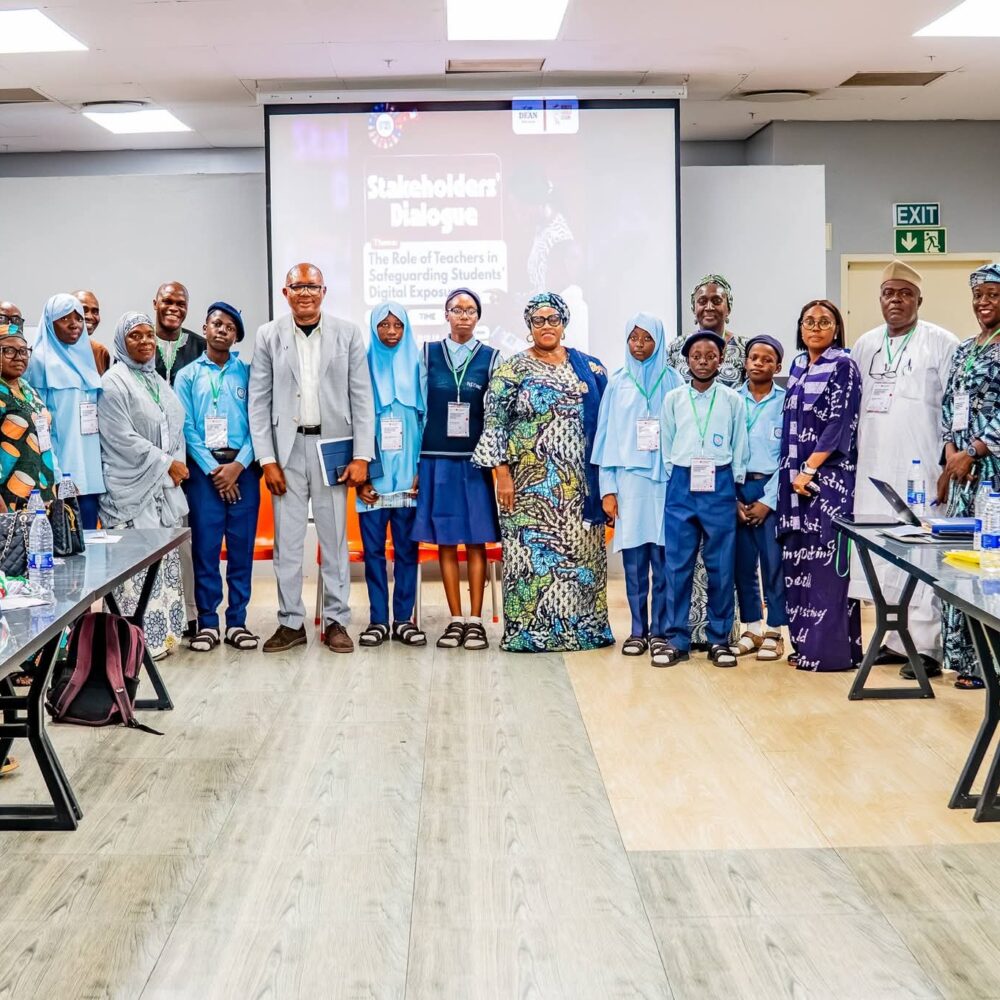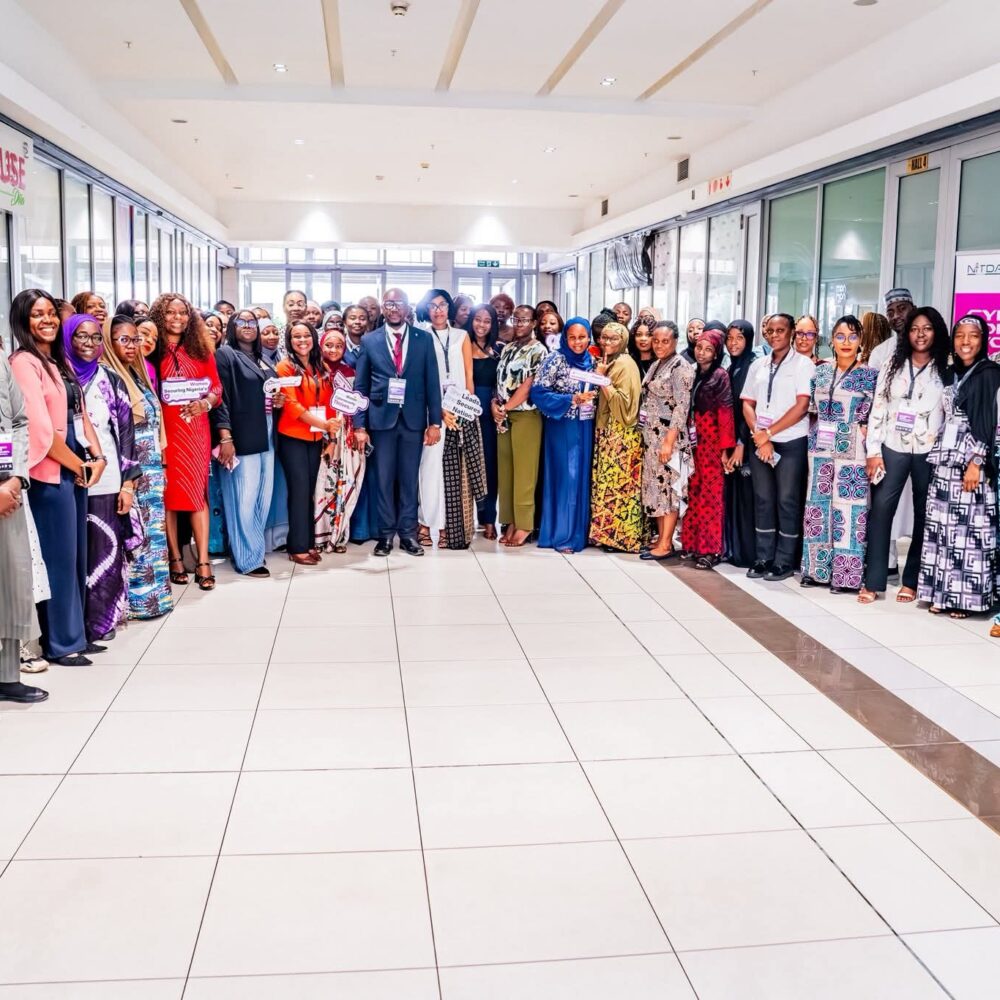

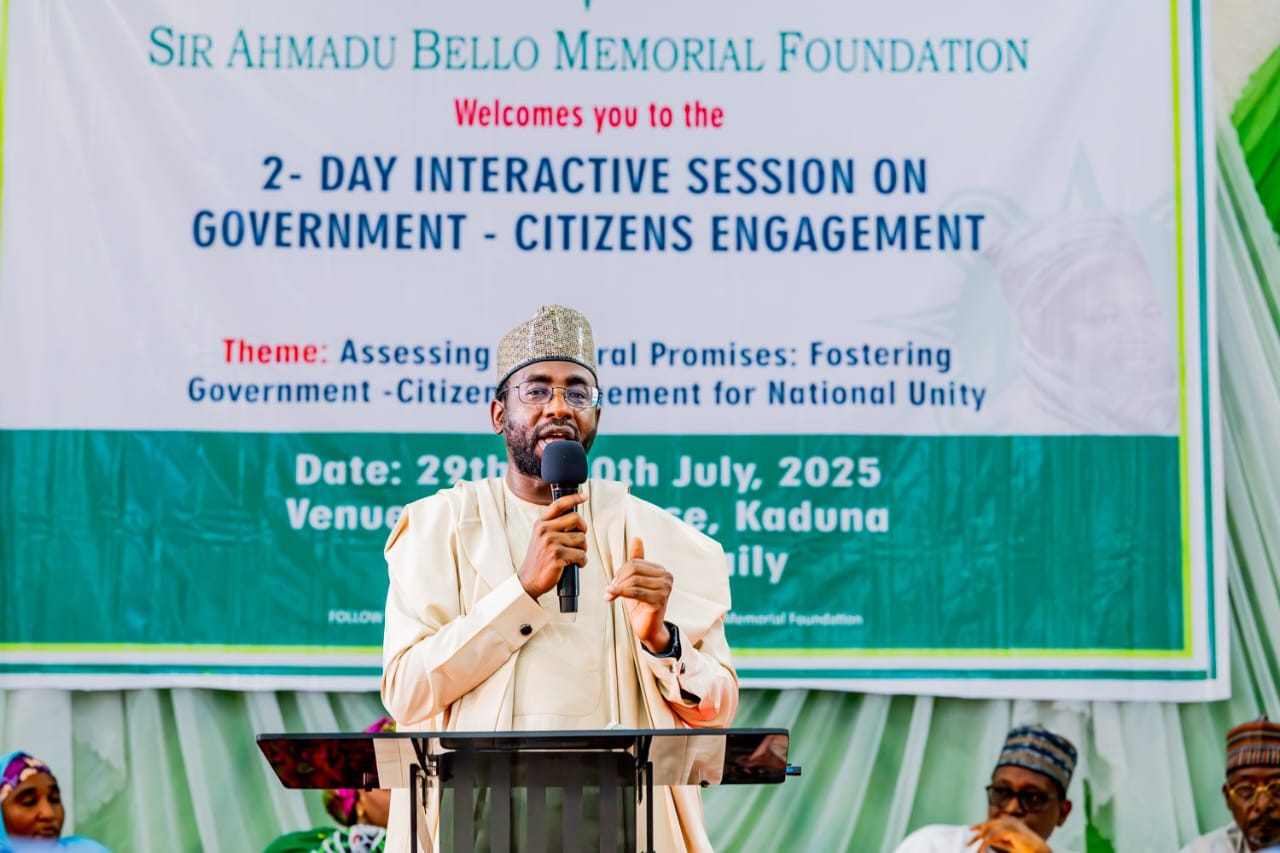
The Director General of the National Information Technology Development Agency (NITDA), Kashifu Inuwa Abdullahi, has reaffirmed the Federal Government’s commitment to using digital technology as a key driver of inclusive development, citizen empowerment, and national unity.
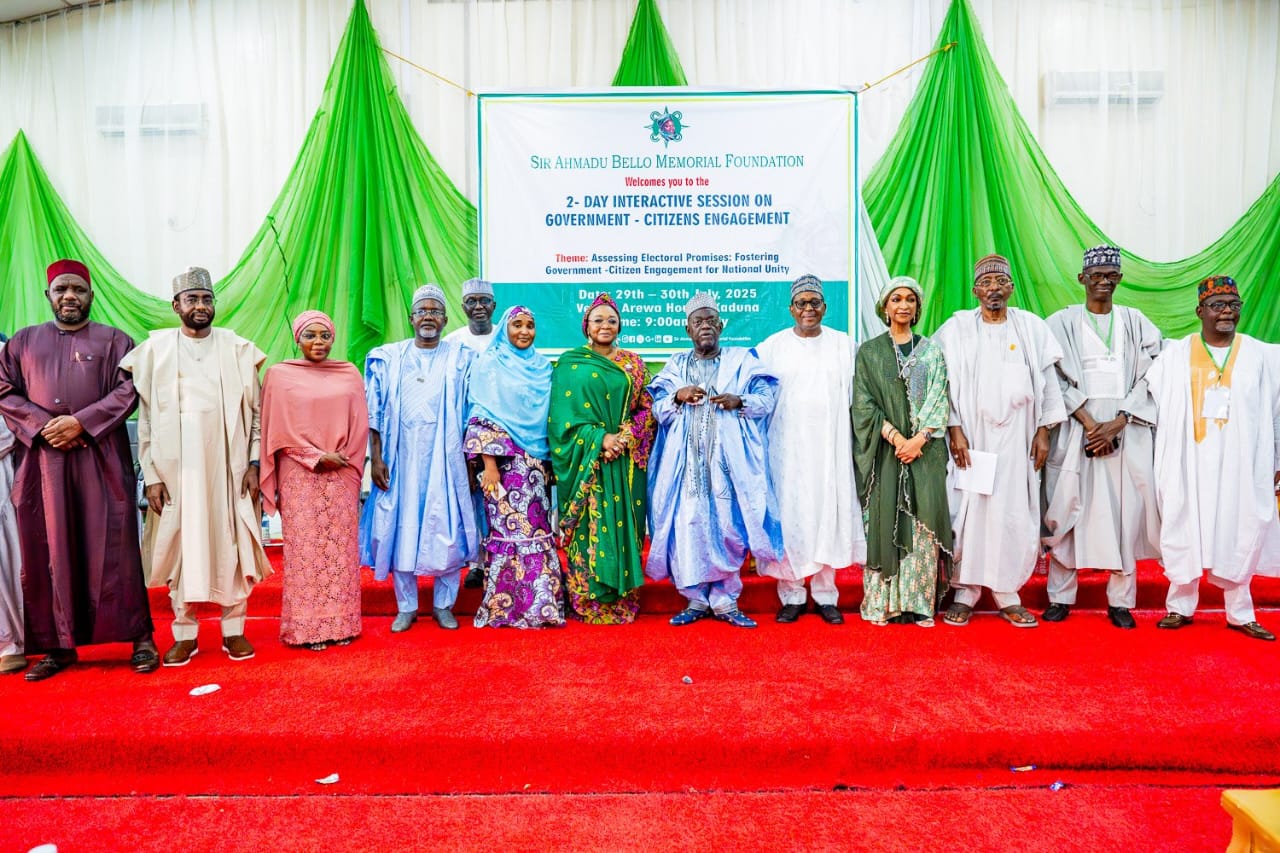
Speaking at a two-day Interactive Session on Government–Citizens Engagement hosted by the Sir Ahmadu Bello Memorial Foundation at the Arewa House, Kaduna, Inuwa emphasized the critical role of digital transformation in achieving President Bola Ahmed Tinubu’s Renewed Hope Agenda.
The forum, themed “Assessing Electoral Promises: Fostering Government Engagement for National Unity,” brought together key actors in government, civil society, academia, and policymaking to evaluate governance performance and deepen citizen inclusion.
Inuwa described the digital economy as a foundational pillar for progress across sectors including agriculture, education, healthcare, and financial services.
“Digital technology is not a vertical sector it is pervasive and foundational. It powers everything else and provides a framework for inclusive growth,” he said.
The NITDA DG outlined three key strategic pillars guiding the Agency’s interventions: human capital development, digital infrastructure, and innovation-driven entrepreneurship. He noted that the Renewed Hope Agenda had energized Ministries, Departments and Agencies (MDAs) to collaborate more effectively with the private sector in building a digitally inclusive Nigeria.
Highlighting human capital as the country’s most valuable resource, Inuwa stated that NITDA has trained over 350,000 individuals across Northern Nigeria through initiatives such as the 3 Million Technical Talent (3MTT) programme and Digital Literacy for All campaign since 2023. He said the target is to achieve 70% basic digital literacy among Nigerians by 2027.
Inuwa disclosed ongoing collaborations with the Federal Ministry of Education to integrate digital skills from early childhood to tertiary levels, and with the National Universities Commission (NUC) to include digital literacy in general studies curricula.
He added that a special partnership with the National Youth Service Corps (NYSC) will help produce thousands of youth digital literacy ambassadors annually, who will reach underserved and rural communities.
On infrastructure, Inuwa announced that the Federal Government has approved the deployment of 90,000 kilometers of fiber optic cables nationwide to enhance broadband penetration.
He also revealed that three digital centres are currently under construction in each state, while Northern Nigeria, in particular, stands to benefit from this investment. In the last two years, NITDA has established 13 IT Community Centres, 101 Digital Economy e-Learning Centres, and one Cybersecurity Research Centre across the country.
Inuwa further noted that reforms under President Tinubu’s administration have boosted investor confidence, attracting renewed interest from global tech giants like Google and Microsoft.
He concluded by announcing that Nigeria will host two major international technology events later this year: GITEX Nigeria in September and the United Nations ICEGOV Summit in November, both of which are expected to bring global innovation leaders and investors to Nigeria.