The Director-General of the National Information Technology Development Agency (NITDA), Kashifu Inuwa, CCIE, has called for a stronger integration of intelligence, security, and sustainability to accelerate Nigeria’s digital transformation and enhance its global competitiveness.
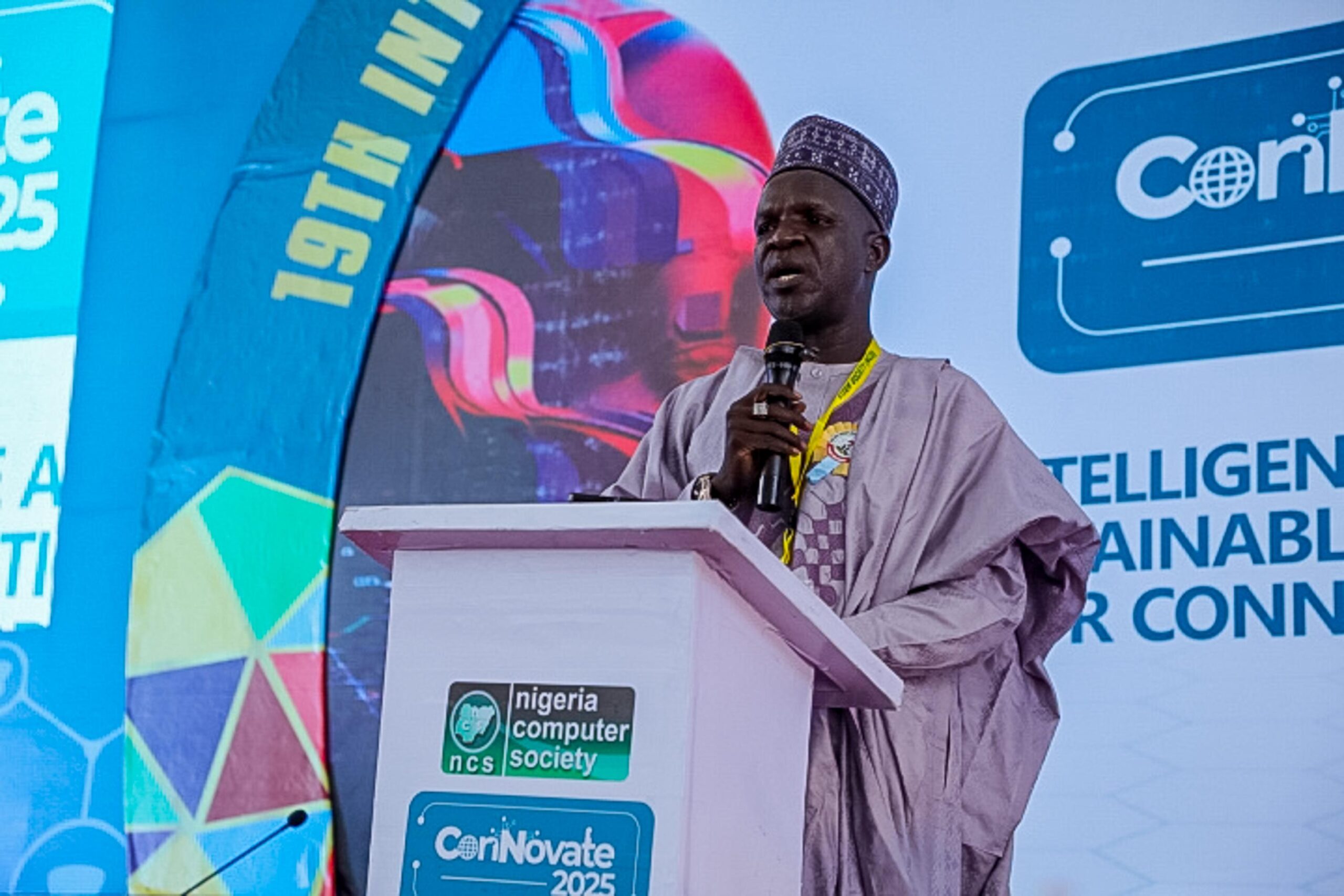
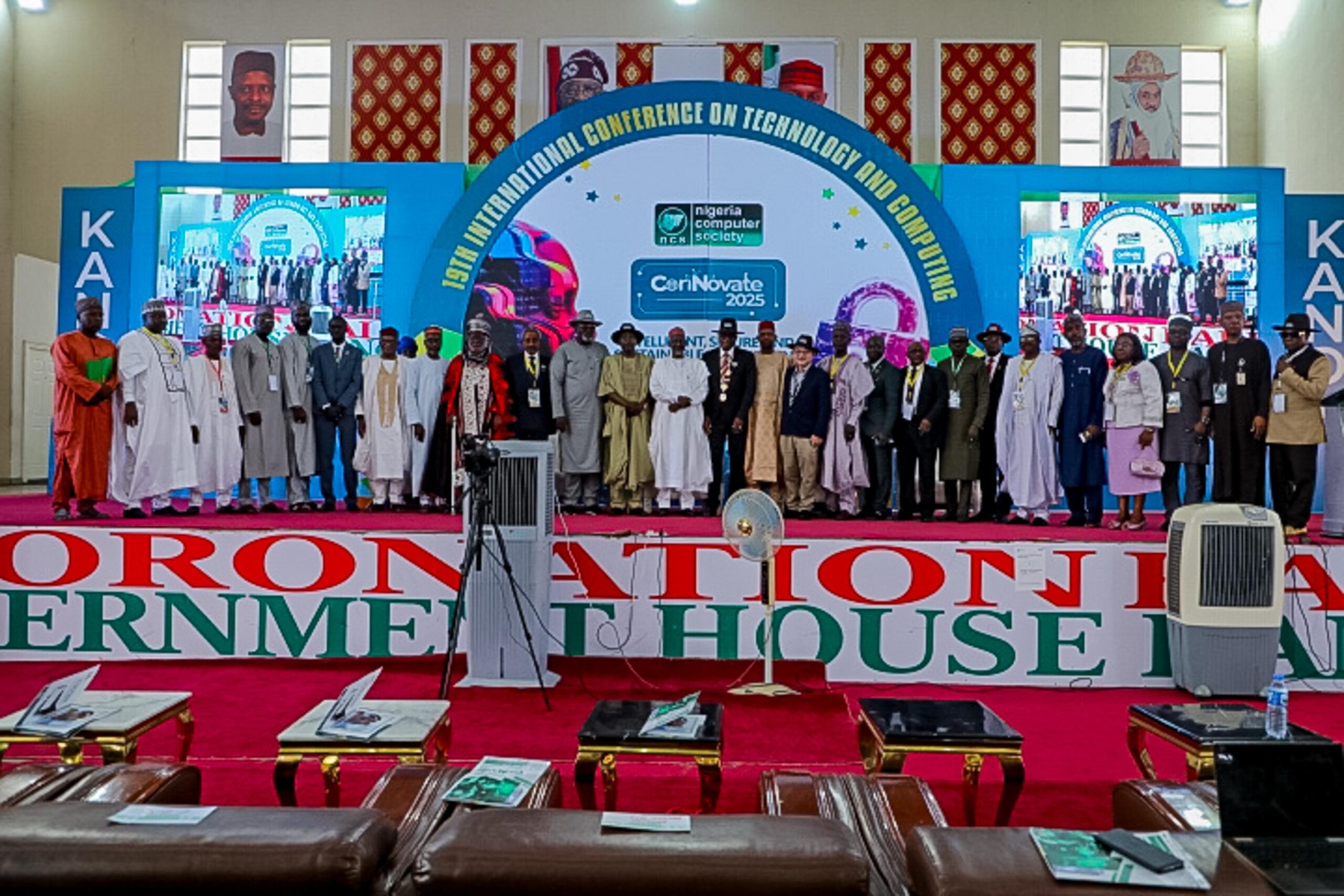
Speaking on Tuesday in Kano at the opening of the 19th International Conference (CONNOVATE 2025) of the Nigerian Computer Society (NCS), themed “Intelligent, Secure, and Sustainable Innovations for a Connected World,” Inuwa described the three pillars as indispensable to national progress.
Represented by Engr. Salisu Kaka, Director of E-Government and Digital Economy Development, he cited Estonia’s X-Road platform which delivered 99% of government services online as a benchmark for efficient, secure, and inclusive digital governance.
“In Nigeria, trust is the ultimate currency in our high-stakes digital environment, where scams and cybercrime are prevalent. Security builds and protects this trust,” Inuwa said. He warned that “innovation without security is unsustainable,” likening it to “a high-performance race car without brakes.”
The NITDA boss identified Artificial Intelligence (AI), Machine Learning (ML), and data analytics as critical for solving Nigeria’s complex challenges and urged startups to go beyond digitising processes to creating new value such as AI-powered wealth management and ML-driven remote diagnostics.
He also spotlighted Federal Ministry of Communications, Innovation and Digital Economy (FMCIDE) programmes aligned with this vision, including the National Centre for Artificial Intelligence and Robotics (NCAIR), the Computer Emergency Readiness and Response Team (CERRT), the Nigeria Data Protection Act (NDPA) 2023, the national digital identity initiative, interoperable payment systems, and talent-building schemes like the 3 Million Technical Talent (3MTT) and Digital Literacy for All (DL4ALL).
Citing International Federation for Information Processing (IFIP) President Antony Wong, Inuwa reiterated the need for stronger data protection in the Global South to safeguard indigenous knowledge. He stressed legal clarity on data ownership as Nigeria digitises its cultural heritage in medicine, ecology, and art. Wong, in turn, praised Nigeria’s role in the recent World Intellectual Property Organization (WIPO) treaty protecting genetic resources and traditional knowledge.
In his welcome address, NCS President Dr. Muhammad Sirajo said the week-long conference would provide an interdisciplinary platform for researchers, practitioners, and educators to explore innovations in intelligent systems, fintech, sustainable energy, agriculture, health, education, and national planning. Activities include plenary sessions, a doctoral consortium, a youth and entrepreneurship forum, the Fellows Forum, an IT quiz for students, and the induction of new members, culminating in elections, a dinner, and an awards night celebrating contributions to the ICT sector.