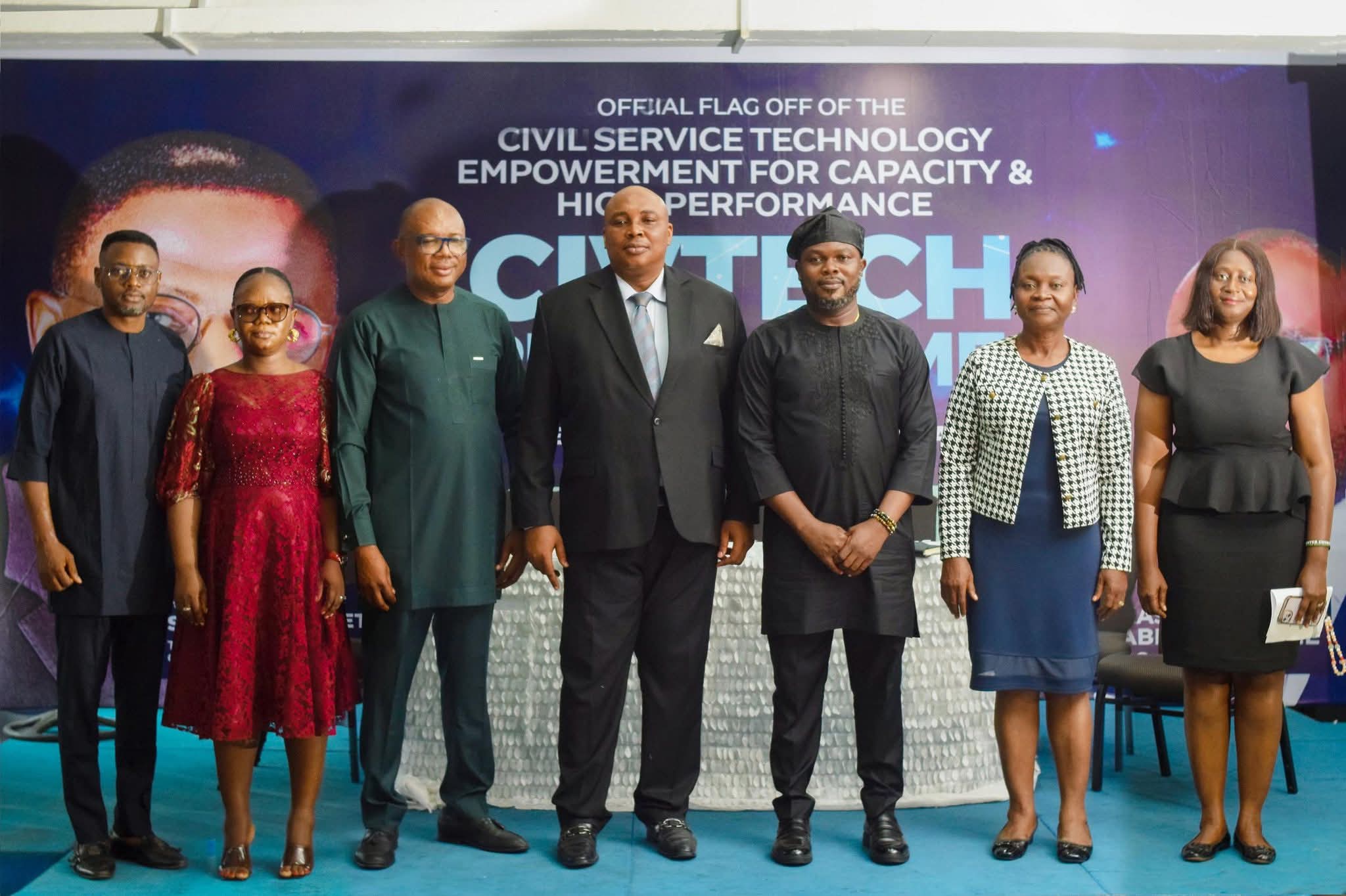
The Director General of the National Information Technology Development Agency (NITDA), Kashifu Inuwa, has participated in the official flag-off of the Civil Society Technology Empowerment for Capacity & High Performance (CIVTECH) Programme in Cross River State, aimed at strengthening digital capacity within the public sector.
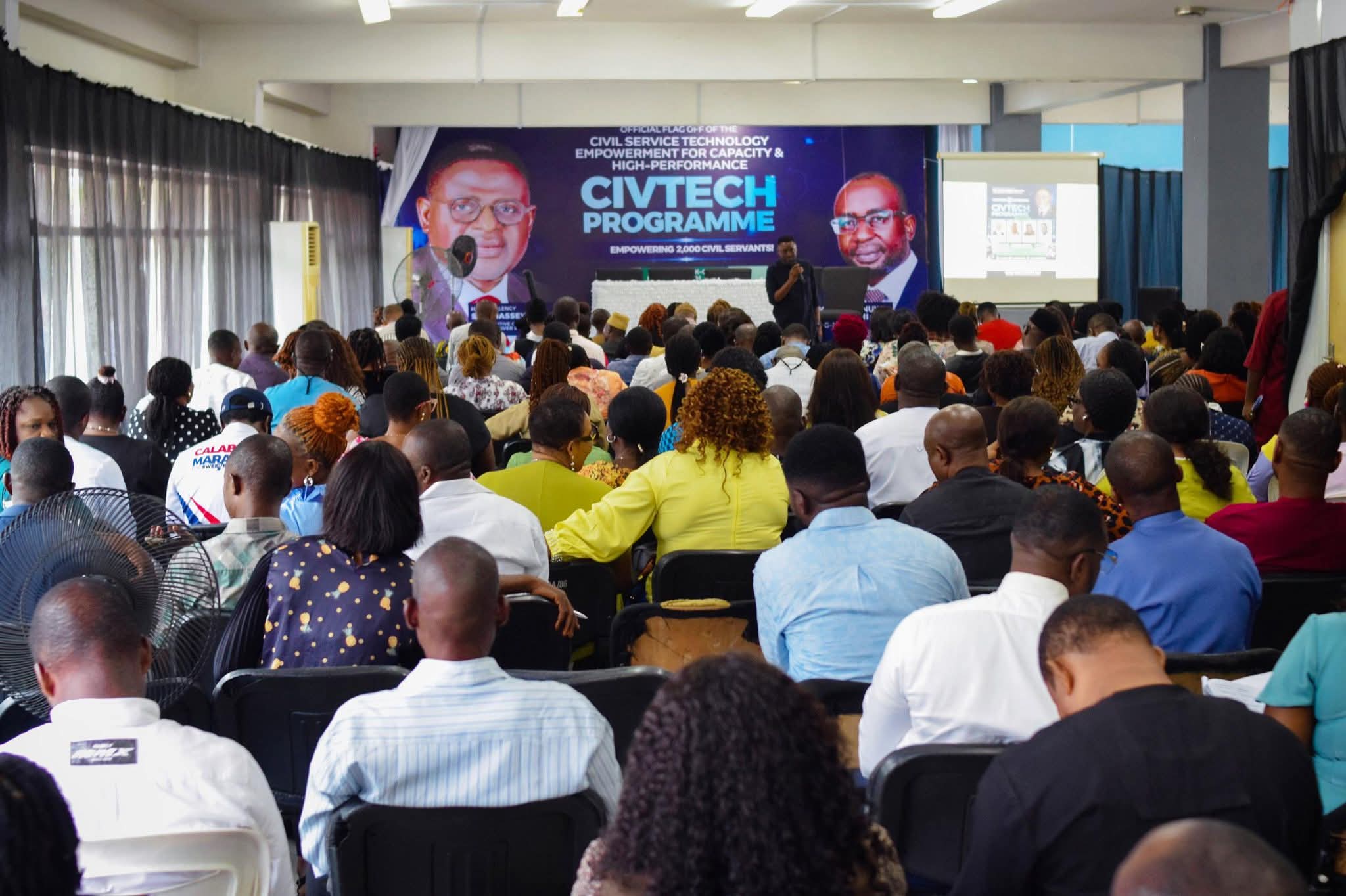
The programme, organised by the Cross River State Microfinance and Enterprise Development Agency (CRS MEDA), is designed to equip 2,000 civil servants with essential digital skills, positioning Cross River State as a frontrunner in digital governance and public-sector innovation.
Declaring the programme open, the State Head of Service, Mr. Orok Okon, reaffirmed the government’s commitment to building a modern workforce capable of delivering efficient and technology-driven public services. He noted that empowering civil servants with digital competencies remains critical to improving governance and service delivery across ministries and agencies.
Representing the NITDA Director General at the ceremony, the Director of Stakeholder Management and Partnership Department, Dr. Aristotle Onumo, delivered the keynote address, stressing the urgent need for Nigeria’s public service to transition “from bureaucracy to digital excellence.”
According to him, citizens’ expectations have evolved, with public services now required to match the speed, transparency, and convenience experienced in digital banking and e-commerce platforms.
He commended the Cross River State Government for embracing digital transformation and encouraged the adoption of modern technological tools, automated systems, and innovation-driven skills to enhance productivity and public trust.
Dr. Onumo emphasised that a high-performance public service must leverage technology to deliver quality services efficiently, ensuring accessibility anytime, anywhere, and for everyone.
The CIVTECH Programme is expected to strengthen institutional capacity, improve service delivery, and accelerate the state’s transition toward a digitally enabled governance system aligned with Nigeria’s broader digital economy agenda.