
The Federal Government has reaffirmed its commitment to achieving 95% digital literacy in Nigeria by 2030, with a strategic milestone of 70% set for 2027, in line with President Bola Ahmed Tinubu’s digital and industrial transformation agenda.
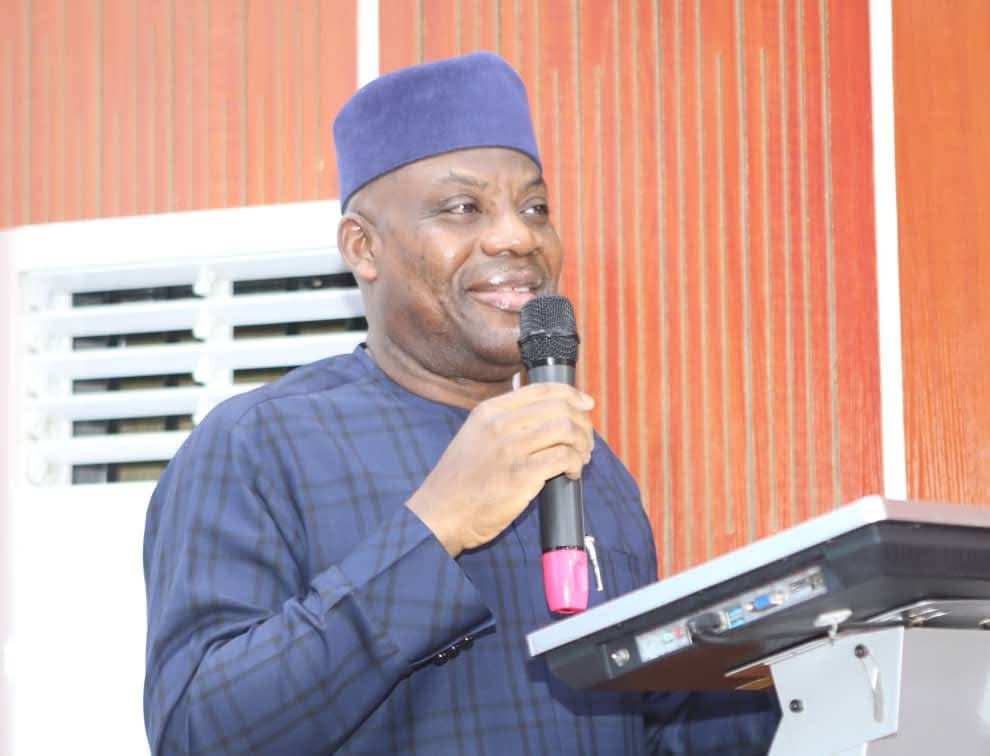
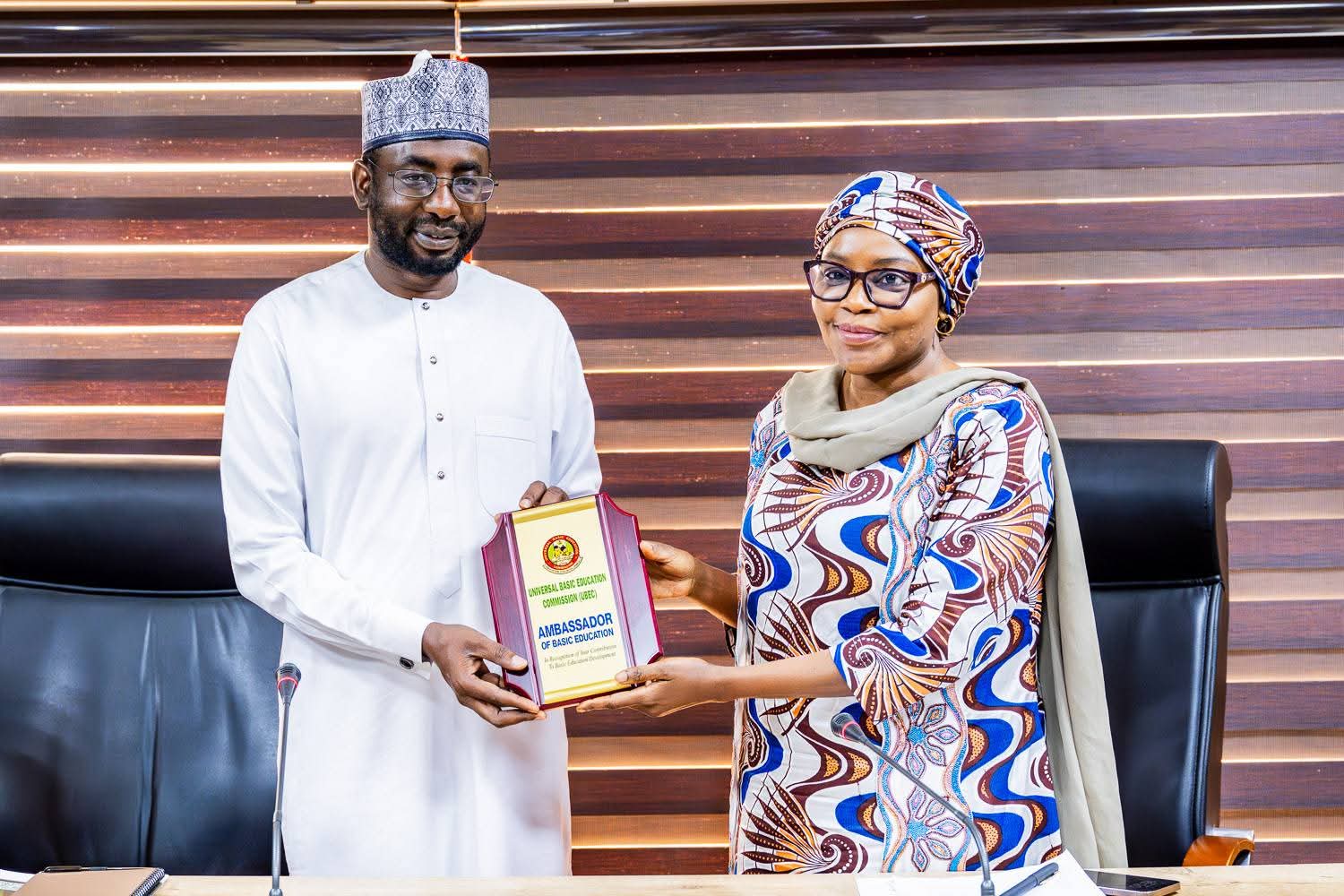
This commitment was reiterated by the Director General of the National Information Technology Development Agency (NITDA), Kashifu Inuwa, CCIE, during a strategic engagement with the Universal Basic Education Commission (UBEC) in Abuja.
Inuwa emphasised that the renewed drive towards mass digital literacy aligns directly with Priority 7 of President Tinubu’s 8-point agenda, which focuses on accelerating industrialisation, digitisation, creative arts, manufacturing, and innovation.
“We started this journey in 2023 when President Bola Ahmed Tinubu came on board. He made it clear that economic diversification and inclusivity are top priorities,” Inuwa stated.
He explained that NITDA has developed a comprehensive National Digital Literacy Framework (NDLF), a strategic guide designed to equip citizens at all levels ranging from primary school pupils to professionals with critical digital skills. The framework features six core competency areas: device and software operations, information and data literacy, communication and collaboration, content creation, safety, and problem solving.
Despite data limitations, Inuwa noted that Nigeria’s digital literacy rate has risen to approximately 50%, up from 44% in 2021, based on extrapolations from the World Bank’s Better Life Report.
Highlighting collaborative efforts, Inuwa mentioned ongoing partnerships with global platforms such as Coursera, to provide teachers with AI-enabled lesson planning tools and scalable online training. He also cited NITDA’s recent partnership with Nasarawa State University and CISCO to launch the Digital Learning for NSUK (DL4NSUK) initiative, a model intended to transform tertiary education through enhanced digital capabilities.
According to him, NITDA has been actively engaging key stakeholders including the Federal Ministry of Education, National Universities Commission (NUC), and the Nigerian Educational Research and Development Council (NERDC) to integrate digital skills into formal education.
“This is not a journey we can walk alone; we must bring everyone on board education stakeholders, technology providers, state governments, and international partners,” the NITDA DG stressed.
Responding to the presentation, UBEC Executive Secretary, Hajiya Aisha Garba, acknowledged receipt of the digital literacy curriculum co-developed by NITDA and NERDC. While describing it as “robust and forward-looking,” she noted the need to simplify the content for younger learners and address existing barriers such as teacher capacity gaps, infrastructure deficits, and curriculum overload.
“We’re committed to working with NITDA and NERDC to refine the curriculum, train teachers, and ensure effective delivery. Let us align the technical vision with grassroots realities to make a lasting impact,” Hajiya Aisha stated.
She further assured that UBEC, in collaboration with State Universal Basic Education Boards (SUBEBs), will prioritise equipping schools with computers and solar-powered infrastructure to foster real, practical learning.
As a concrete step forward, both agencies resolved to establish a joint inter-agency committee to draft a national implementation strategy that will guarantee smooth execution and measurable results.
The collaboration between NITDA and UBEC marked another milestone in Nigeria’s journey toward becoming a digitally empowered society, with a future-ready workforce able to compete in a global digital economy.