
The National Information Technology Development Agency (NITDA) has stepped up efforts to transform Nigeria’s education sector through its flagship Digital Literacy for All (DL4ALL) initiative, equipping thousands of teachers with essential digital skills.
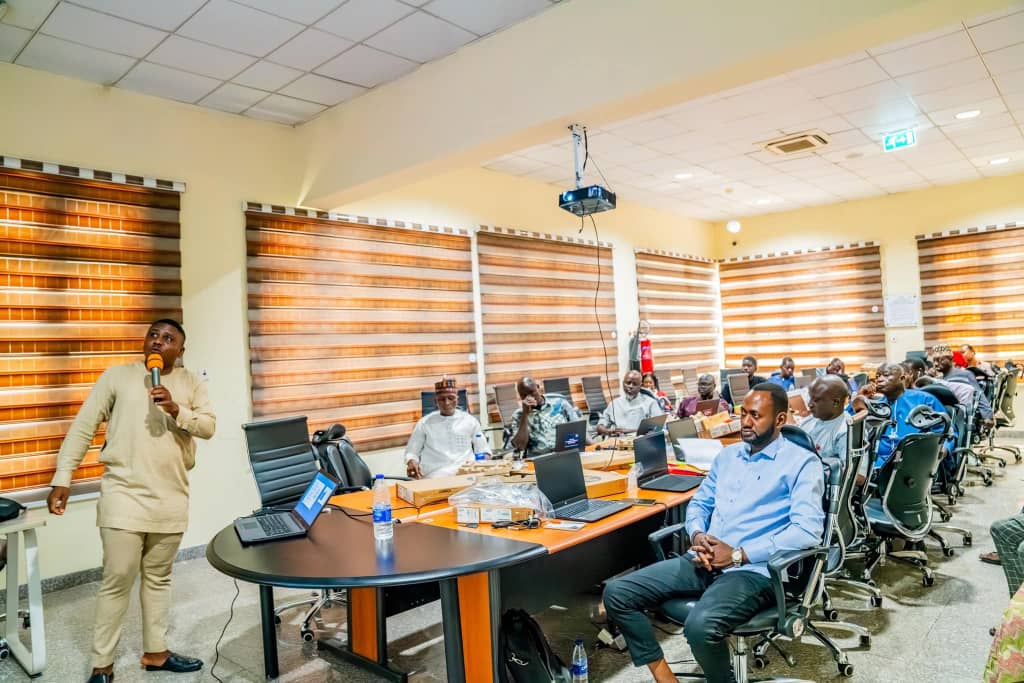
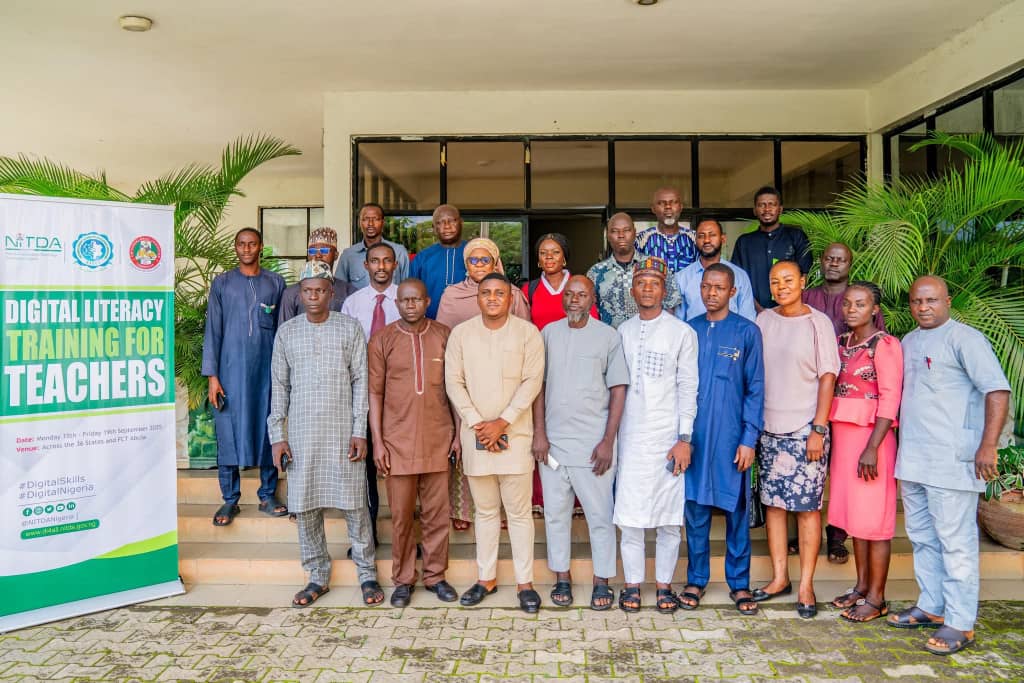
On September 18, 2025, the Agency launched a two-day physical training programme in Abuja for teachers drawn from the 36 states and the Federal Capital Territory (FCT). The programme followed two weeks of intensive virtual sessions that had already empowered 3,600 teachers nationwide with foundational digital knowledge, laying the groundwork for hands-on training in Abuja.
The initiative, implemented in partnership with the Universal Basic Education Commission (UBEC) and the National Senior Secondary Education Commission (NSSEC), is designed to ensure that teachers at both basic and secondary levels are fully prepared to deliver education relevant to the digital age. A major feature of the Abuja session is the designation of selected participants as Master Trainers. These trainers will cascade the knowledge gained to thousands of teachers in their respective states and communities, thereby multiplying the impact and ensuring sustainability of the programme.
Participants expressed enthusiasm and gratitude for the opportunity. Tanko Abdulkareem, a teacher from Kuje Area Council, described the training as a transformative experience that broadened his understanding of digital applications in the classroom. He said the programme had equipped him to support colleagues and positively influence the learning experience of his students. Similarly, Muhammad Ademu from Abuja Municipal Area Council (AMAC) hailed the initiative as a timely and life-changing intervention, pointing out that it would significantly contribute to repositioning education in Nigeria for the realities of the 21st-century digital economy.
For Bamidele Gbenga Samuel, a teacher at Government Secondary School, Gwagwalada and staff of the FCT Secondary Education Board, the training is providing teachers with the right tools to bridge the digital divide that has long hindered effective classroom teaching. He stressed that teachers, as the bedrock of learning, must themselves be digitally literate to adequately prepare students for future opportunities. Adding her voice, Miss Veronica Miapie of the FCT Secondary Education Board emphasized that digital literacy is no longer optional but a necessity for both teachers and students. She commended NITDA and its partners for prioritizing the capacity building of educators, stressing that the long-term benefits would ripple across generations of learners.
Through its Digital Literacy and Capacity Building (DLCB) department, NITDA reaffirmed its commitment to expanding access to digital knowledge. The DL4ALL initiative, of which this training is a major component, is central to aligning Nigeria with global technology trends and preparing citizens for the demands of a knowledge-driven economy.