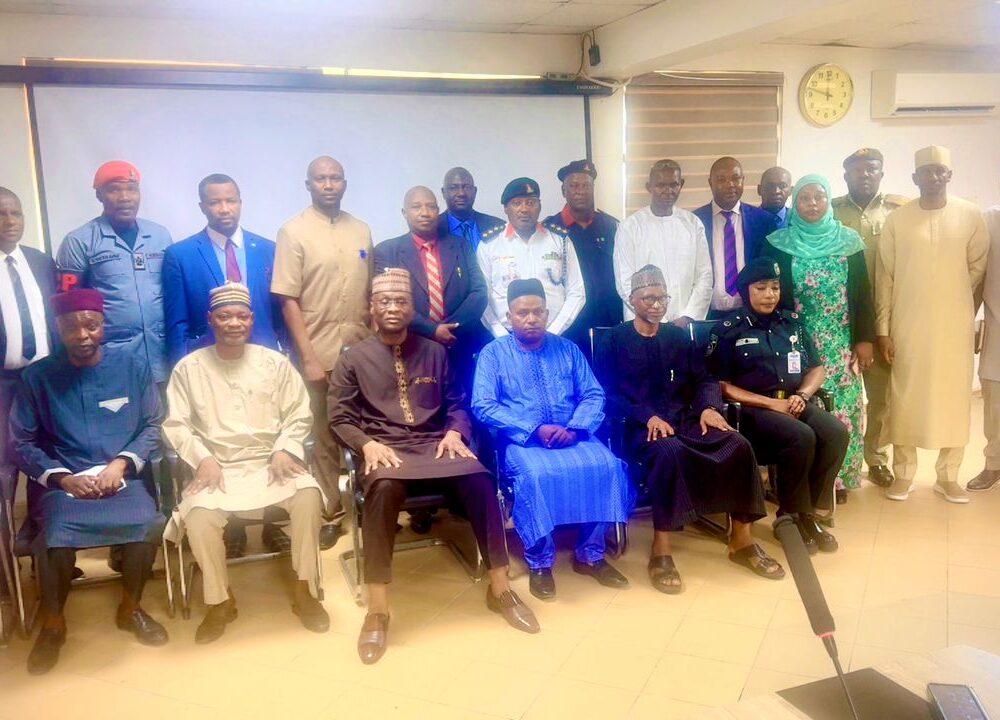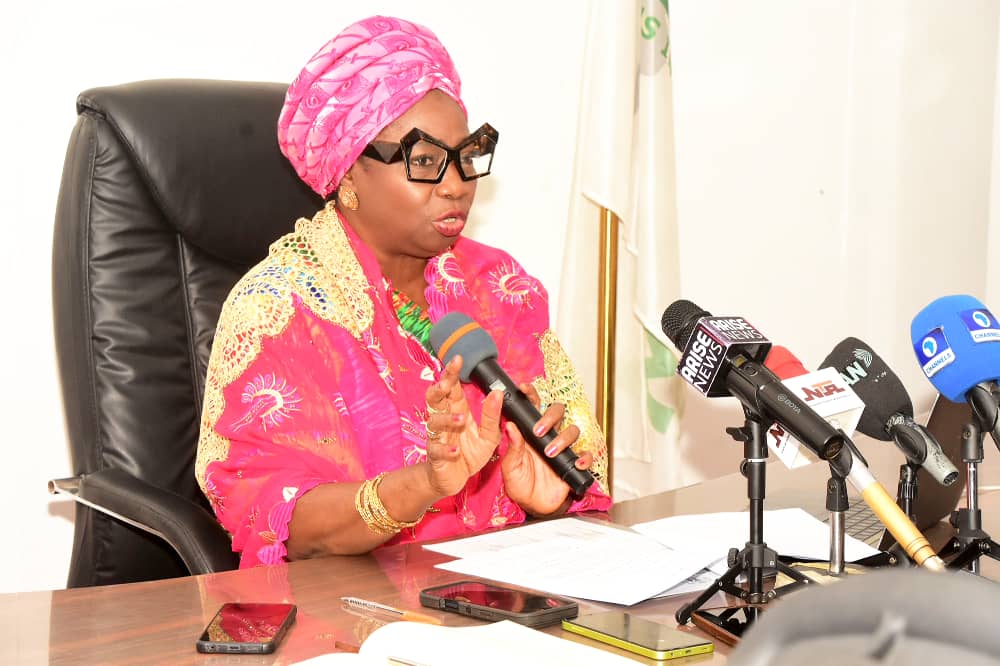
The Nigerian Supreme Council for Islamic Affairs (NSCIA) has dismissed claims that there is a “Christian genocide” in Nigeria, calling such assertions false, destabilising, and politically motivated. The statement was delivered during a press conference on Sunday, November 9, 2025, following the United States’ designation of Nigeria as a “Country of Particular Concern”.
Addressing journalists and diplomats, the NSCIA emphasized that the violence in Nigeria is a national security crisis affecting all citizens, regardless of religion. The council said that groups like ISWAP and Boko Haram target both Muslims and Christians indiscriminately, and that the country’s security challenges are rooted in banditry, insurgency, climate change, poverty, and governance failures, rather than religious persecution.
Citing reports from Amnesty International and the Armed Conflict Location & Event Data Project (ACLED), NSCIA noted that extremist groups are responsible for attacks on communities of all faiths. Amnesty International has stated that these groups “kill both Muslims and Christians” and do not differentiate between victims when targeting towns, villages, mosques, and churches.
The council warned that domestic and foreign actors, including certain U.S. politicians and separatist groups, are exploiting Nigeria’s security challenges to push political agendas and undermine national unity. They criticized claims circulating in Western media and lobbyist circles as “crisis entrepreneurship” designed to destabilize the country and weaken its sovereignty.
NSCIA further described the U.S. re-imposition of the “Country of Particular Concern” designation as politically motivated rather than fact-based, urged the U.S. government to engage Nigeria as a partner. The council called for credible intelligence, logistical support, and human capacity development to help combat terrorism and banditry, rather than issuing statements that could fuel divisions.
The council reaffirmed the unity of Nigerians of all faiths, stressed that Muslims and Christians alike suffered from the country’s security challenges. NSCIA condemned domestic actors exploiting religious narratives for personal gain and warned against false claims that could inflame tensions.
“We affirm that there is no Christian genocide in Nigeria. There is no Muslim genocide. There is no religious intolerance. The Nigerian tragedy is one of poverty, climate change, bad governance, and armed criminals. We will not be defined by this lie, and our unity as a nation will endure,” the council declared.
NSCIA concluded by calling on the international community and media to reject false narratives, support efforts to protect all citizens, and hold accountable those who propagate destabilizing claims. The council also urged collaboration to eliminate terrorism and banditry while preserving Nigeria’s national integrity and unity.