The Coordinator of Operation SAFE CORRIDOR, Brigadier General Yusuf Ali, has described the initiative as a non-kinetic, peace-building programme designed to deradicalise and reintegrate low-risk former insurgents into society, rather than a physical location.
Speaking during the end-of-month media briefing by the Directorate of Defence Media Operations at Defence Headquarters in Abuja, General Ali explained that Operation SAFE CORRIDOR was established around 2015–2016 at the peak of insurgency to address the growing number of individuals willing to surrender.
According to him, many of those classified as “low-risk” were victims of circumstance, having been forcibly conscripted by insurgents during the occupation of several communities. He noted that the initiative is conceptual rather than geographical, describing it as a structured response to managing individuals who were coerced into insurgency but later chose to surrender.
The Coordinator emphasized that the programme does not independently determine who qualified as low-risk. Instead, a multi-agency screening process involving about 17 Ministries, Departments and Agencies, alongside judicial authorities, is responsible for classification. While individuals found culpable are subjected to the criminal justice system, those cleared are transferred into the programme under a transitional justice framework.
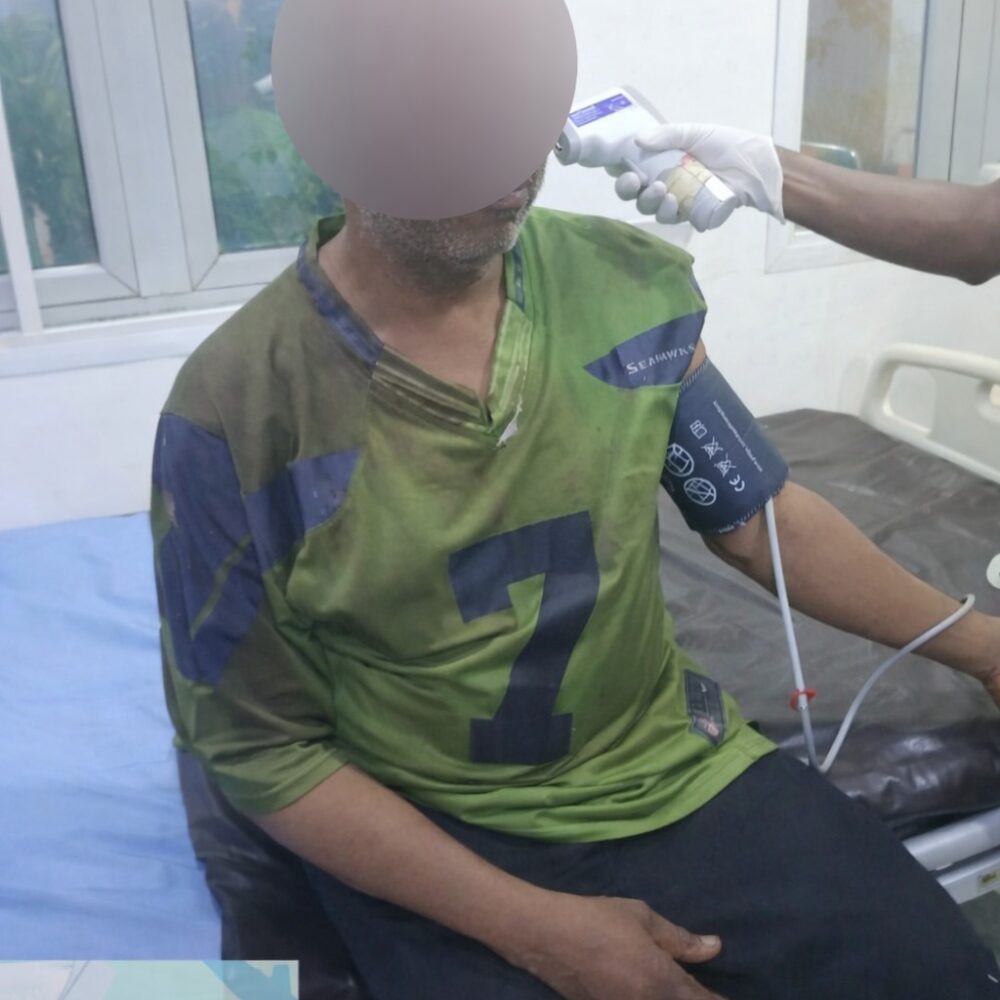
General Ali explained that beneficiaries, referred to as “clients” in line with global best practices to avoid stigmatization, undergo a comprehensive rehabilitation process. This included psychosocial therapy to address trauma, support for drug rehabilitation through relevant government agencies, vocational and skills training, as well as civic reorientation and education. These measures, he said, are designed to ensure that participants return to society as productive citizens.
He further highlighted the role of international partners in supporting the programme. Organisations such as the International Committee of the Red Cross provide humanitarian compliance assessments, while the International Organization for Migration offered family tracing and reunification services. The European Union also contributed through capacity building and funding support. According to him, recent independent assessments by international partners rated Nigeria’s implementation of the programme as highly compliant with global humanitarian standards.
On reintegration, General Ali stated that the process is carried out in collaboration with state governments, traditional rulers, religious leaders and community stakeholders to ensure acceptance at the grassroots level. He added that all rehabilitated individuals are registered with the National Identity Management Commission to enable proper tracking and accountability.
Addressing public concerns about the possibility of relapse into insurgency, the Coordinator acknowledged that while such risks exist in any rehabilitation effort, they remain minimal. He noted that there has been no verified case of a rehabilitated individual returning to insurgency, adding that such individuals would face suspicion and possible execution if they attempted to rejoin insurgent groups.
General Ali maintained that Operation SAFE CORRIDOR has significantly contributed to reducing insurgent recruitment and improving security, especially when combined with ongoing military operations. He stressed that the initiative continue to play a critical role in shrinking the recruitment pipeline and preventing insurgents from exploiting vulnerable individuals.