
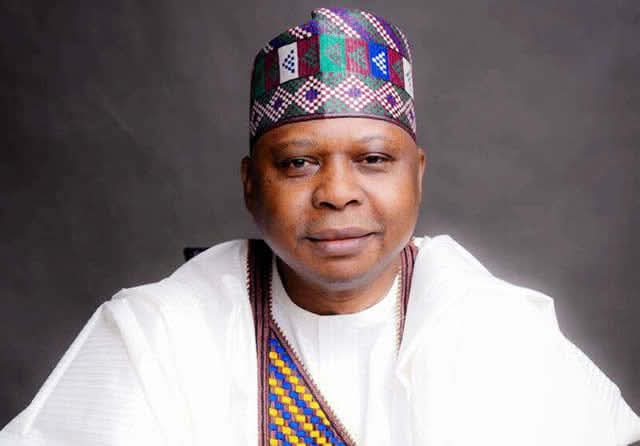
The Peoples Democratic Party (PDP) has elected former Minister of Special Duties and Intergovernmental Affairs, Kabiru Tanimu Turaki, as its new National Chairman. His emergence followed the party’s national convention held on Saturday in Ibadan, Oyo State, where he ran unopposed after other aspirants stepped down. Turaki secured 1,516 votes to seal his victory. Lado Danmarke, the PDP’s 2023 governorship candidate in Katsina State who had earlier withdrawn from the race, nevertheless received 275 votes.
Also at the convention, Solarin Sunday Adekunle was elected Deputy National Organising Secretary with 633 votes. The positions of Youth Leader and Deputy National Legal Adviser were stepped down, while seventeen other offices were returned unopposed.
Turaki’s rise to the national chairmanship is rooted in the PDP’s zoning arrangement. In August, the National Executive Committee zoned the 2027 presidential ticket to the South, thereby reserving the party’s top administrative office for the North. This set the stage for a series of consultations among northern stakeholders, which culminated in October with Turaki’s adoption as the consensus candidate, particularly among leaders from the North-West.
The consensus process drew the participation of several influential party figures, including serving governors, former governors, former ministers, and leading lawmakers, signalling broad support for Turaki’s leadership. Their presence at the Ibadan convention reinforced expectations that his tenure could help stabilise the party as it prepare for the 2027 general elections.
However, the convention was not without controversy. The disciplinary decision that led to the expulsion of Federal Capital Territory Minister Nyesom Wike, former Ekiti State Governor Ayo Fayose, and several other members has created fresh tensions within the party. Some governors and senior leaders, including Ahmadu Fintiri of Adamawa State and Caleb Mutfwang of Plateau State, have publicly distanced themselves from the expulsions, raising concerns about unity within the PDP.
Despite this, party insiders believed Turaki’s emergence present an opportunity to reconcile warring factions, rebuild internal cohesion, and reposition the PDP for a stronger outing in 2027. His ability to navigate entrenched interests, rebuild confidence among stakeholders, and restore stability will be crucial to the party’s future.
Turaki is expected to begin consultations immediately as he assume office, with many party members hoping his leadership will mark the beginning of a new chapter for the main opposition party.